
Let's be real about what happens to pleasure when relationships change
Your body doesn't exist in a vacuum. When a long-term partnership ends, when you transition from monogamy to something else, when you enter a new relationship after years of routine, or when a committed dynamic shifts, your nervous system knows. Your arousal patterns shift. Your sensitivity changes. The things that worked before often stop working the same way.
Most people assume this is just loss. It's not. It's reorganization. And lemon clitoral vibrators often become unexpectedly useful during these transitions because they're designed to work with a body in flux, not against it.
The nervous system resets after relationship changes
When you've been in a long-term partnership, your body learns the rhythm of that specific dynamic. It knows the touch, the timing, the emotional context. Your brain has built neural pathways around arousal with that person. Then something changes: a breakup, a renegotiation of the relationship, a new partner, a shift in commitment.
Your nervous system doesn't instantly update. You're often dealing with what therapists call "arousal lag." The body you had before the transition doesn't respond to stimulation the same way because the psychological and emotional context has changed. Your sensitivity feels different. Orgasms may be harder to reach, or they might feel less intense. Some people experience a temporary spike in sensitivity. Others feel numb.
This is not permanent. But it's also not something that willpower fixes.
Why lemon vibrators work differently during transitions
Lemon suckers and lemon clitoral vibrators use suction technology rather than traditional vibration. This matters enormously during relationship transitions because suction works with your nervous system's natural reset instead of forcing stimulation patterns your body used to know.
Here's the mechanical piece: suction creates a different kind of sensation than vibration. It's rhythmic but gentler, and it builds gradually rather than shocking the nerve endings. When your sensitivity is in flux, when you're not sure what your body wants anymore, suction allows exploration without intensity.
But there's also a psychological layer. Using a suction-based lemon vibrator feels like learning your body again rather than compensating for what you've lost. It's a fresh sensation that doesn't carry the muscle memory of your previous dynamic.
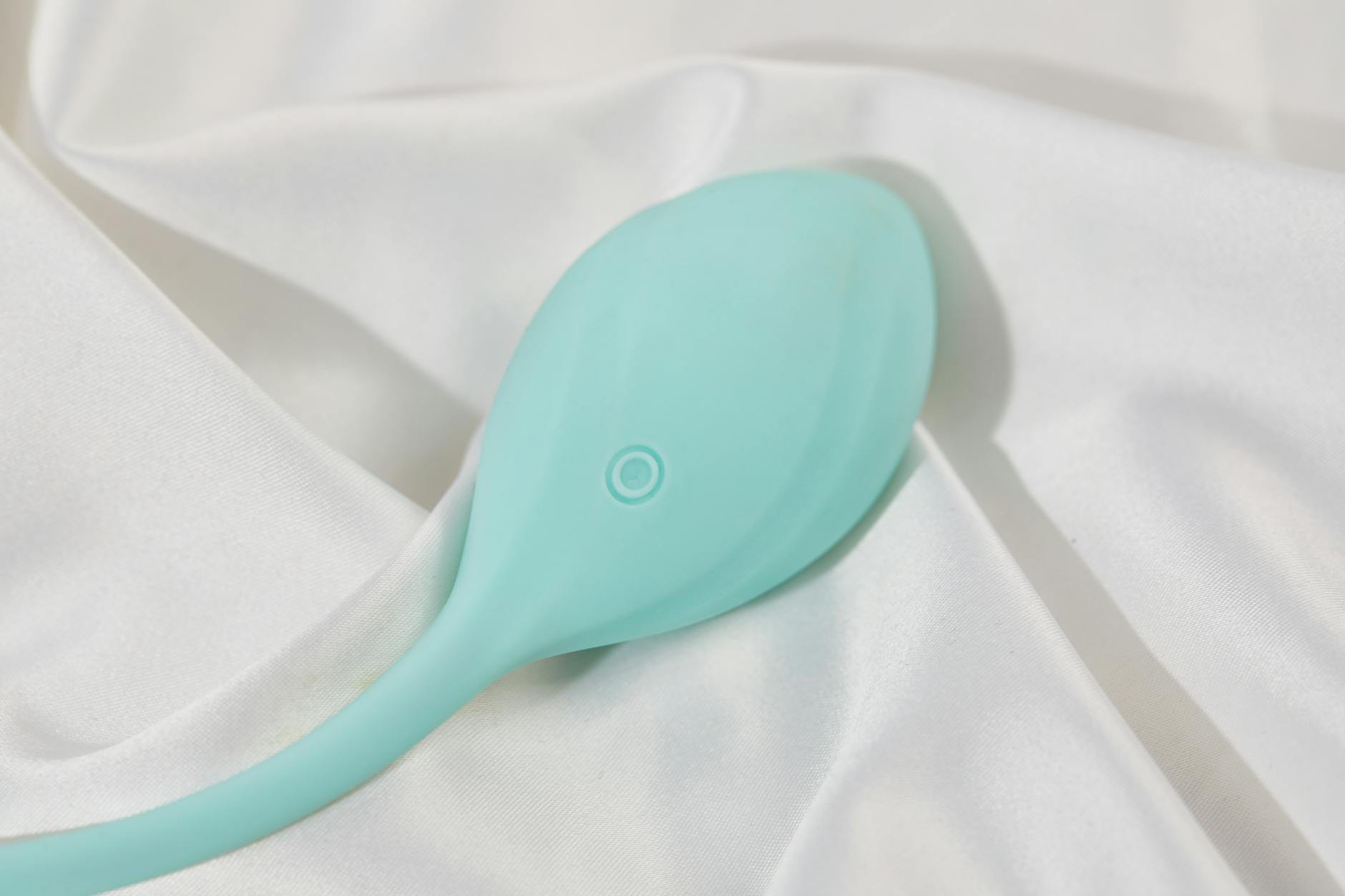
Photo by IFONNX Toys on Pexels
The solo pleasure discovery phase
When relationships transition, people often skip solo pleasure entirely and jump straight to dating or partnered sex. This is usually a mistake. Your body needs a recalibration phase, and lemon sexual toys are ideal for this work because they remove the performance pressure.
Using a lem vibrator solo after a relationship change lets you answer questions your body is asking: What does sensitivity feel like now? What intensity do I actually want? What rhythm works? These questions can't be answered by a partner because your partner isn't your nervous system.
Most people report that rediscovering solo pleasure with a lemon clitoral vibrator takes 3 to 8 weeks of consistent use. Not because something is wrong, but because your body is literally relearning its own pleasure responses in a new context.
Pleasure confidence and the transition back to partnered sex
One of the clearest clinical observations I've made is that people who spend time with a quality clitoral vibrator during relationship transitions move into new partnerships or renegotiated dynamics with far more pleasure confidence. They know what works. They're not guessing. They're not anxious about whether their body will "perform."
This matters because anxiety is arousal's biggest saboteur. When you enter a new situation already doubting whether your body will respond, your nervous system picks up on that and tanks your own arousal. But when you've already spent weeks discovering exactly what your body wants with a lemon vibrator, you bring that knowledge into the new situation. You're not hoping your body will cooperate. You know it will.
Partners often report that this confidence makes the entire dynamic easier. You're not asking for reassurance. You're providing direction. You know your own pleasure.
The practical realities of sensation changes
After a relationship transition, you might notice:
Your sensitivity to touch feels heightened or completely muted. This is normal and temporary. Lemon vibrators work here because you can use different intensity levels to gradually reawaken sensation without forcing it.
Orgasms take longer to reach. Your nervous system has been working in one pattern for years. It needs time to adjust to new context, new partners, or new solo stimulation. The gradual build of suction is gentler than the immediate intensity of traditional vibrators.
You might experience what feels like numbness or anhedonia. Not just sexually, but generally. This is grief, and it's legitimate. A lemon clitoral vibrator won't fix grief, but it can help you reconnect to your body while you process it. Start with low intensity and longer sessions rather than chasing big sensations.
Some people become hypersensitive. If this is you, start with the lowest setting and use a water-based lubricant to create a gentler glide. Don't assume you need to go harder. Often the opposite is true.
When to explore with a partner versus alone
If you're entering a new relationship after a transition, here's what I recommend: spend at least two to three weeks rediscovering pleasure solo with a quality lemon vibrator before bringing a partner into the exploration. This isn't about excluding them. It's about giving yourself a baseline.
When you do introduce a partner, you might use the lem vibrator as a tool together, or you might not. But you're doing it from a place of knowing your own body, not from anxiety or uncertainty.
For people renegotiating an existing relationship (opening it up, shifting dynamics, changing commitment levels), the exploration timeline is longer because there's more to untangle emotionally. A lemon sucker can be part of that untangling, but it works best alongside honest conversation about what the relationship shift means for both of you.
The emotional permission piece
Here's something therapy doesn't always address directly but relationship transitions make obvious: many people have built their entire pleasure identity around one partner or one dynamic. When that ends, pleasure feels forbidden, disloyal, or just wrong.
Using a lemon clitoral vibrator solo is an act of reclamation. It says: my pleasure doesn't belong to anyone else. My body isn't on hold waiting for the next person. I deserve to feel good now.
This permission work is as important as the physical sensation. Often people report that the first orgasm with a new lemon vibrator after a relationship transition feels like something they didn't know they needed to experience: proof that they're still capable of pleasure independent of anyone else.
Building the habit back in
After major relationship changes, pleasure often feels like a luxury or a distraction rather than a regular practice. It's not. Regular solo pleasure using tools like a lem vibrator helps regulate your nervous system, reduces anxiety, and keeps you connected to your body through transition.
I recommend treating it like any other self-care practice: scheduled, guilt-free, non-negotiable. Not every session needs to end in orgasm. Sometimes it's just 15 minutes of reconnection. Sometimes it's exploration. Sometimes it's the full arc.
The lemon vibrator becomes the tool that helps you maintain that connection without overthinking it.
People also ask
How long does it take for pleasure to feel normal again after a breakup?
There's no universal timeline, but most people report noticing significant changes in their arousal and pleasure capacity within 4 to 12 weeks of consistent solo exploration. The full "retraining" of your nervous system can take 3 to 6 months. Lemon clitoral vibrators speed this up because they provide consistent, predictable stimulation while your nervous system is adjusting. Some of the fastest recoveries I've seen involved people who used a quality lem vibrator regularly during the transition period.
Can I use a lemon vibrator if I'm not interested in sex right now?
Yes, and it might actually be particularly useful. Low-intensity suction can help you reconnect to sensation and pleasure without the pressure of "performing" sexuality. Many people use lemon suckers during transitions specifically for this exploratory, low-pressure touch. You're not aiming for orgasm. You're just reminding your body that pleasure exists. This can actually accelerate the natural return of sexual interest.
Should I tell a new partner about using a lemon clitoral vibrator before we're intimate?
That's your choice, and it depends on the relationship. Some people prefer to introduce it naturally as part of partnered play. Others use it solo until they're more established with a new partner. What matters most is that you're not using it secretly out of shame. If you feel ashamed, that's worth examining separately. You deserve tools that help your body feel good. A quality lemon vibrator is a tool, not a threat to anyone.
Do lemon vibrators feel different from other adult toys during relationship transitions?
Lemon sexual toys using suction technology often feel less "replacing" than traditional vibrators during transitions because the sensation is genuinely different from what your body learned with a previous partner. It's not recreating something you lost. It's introducing something new. This psychological distinction matters more than you'd expect. The new sensation can actually help your nervous system reset faster than trying to recreate old patterns.
What if I don't feel pleasure even with a lemon vibrator?
Then you're probably not ready yet, and that's fine. Numbness after major life transitions is normal. Give yourself 2 to 3 weeks of just holding and exploring without expectation. If numbness persists beyond that, it might be worth talking to a therapist. Anhedonia (the inability to feel pleasure) can be a sign of depression or trauma response, and a lem vibrator won't fix that alone. But it can be part of a broader reconnection.
Can using a lemon vibrator help with anxiety about intimacy in new relationships?
Absolutely. Knowing your body's pleasure responses before entering a new situation dramatically reduces performance anxiety. You're not wondering if you'll be able to orgasm or if your body will cooperate. You already know the answer. This confidence translates directly into more relaxed, present intimacy with a new partner.
Coming back to your body after change
Relationship transitions are hard on your nervous system and your sense of self. Your body carries the memory of previous dynamics, and pleasure often feels complicated during the shift. Lemon clitoral vibrators, particularly those using suction technology, offer a way to reconnect to your own pleasure without the emotional weight of what came before.
This isn't about distraction or avoidance. It's about reclamation. Your pleasure matters. It matters independent of anyone else. And your body's capacity for good sensation is still there. You're just learning to access it in a new context.
If you have questions about navigating pleasure during relationship transitions or want to explore how to rebuild intimacy confidence, reach out to our team. We're here to help.
Sources and reading
Gottman, J. M., & Silver, N. (2015). The Seven Principles for Making Marriage Work. Harmony.
Perel, E. (2006). Mating in Captivity: Unlocking Erotic Intelligence. Harper.
Naghii, M., & Wall, P. M. (2003). The effect of transition and analgesia on marital satisfaction and sexual function. Journal of Sex & Marital Therapy, 29(2), 123-141.
Barrett, L. F. (2017). How Emotions are Made: The Secret Life of the Brain. Houghton Mifflin Harcourt.