The thing nobody tells you about hormonal birth control
Hormonal contraception doesn't just prevent pregnancy. It rewires your body's pleasure system. Most of us spend years on the pill, patch, ring, or shot without realizing that the hormones flooding our system are also dampening sensation, flattening desire, and making orgasms feel distant or hard to reach. Then we stop taking it, and suddenly everything feels different. Sometimes better. Sometimes confusing. And sometimes we need help reawakening what's been sleeping.
When you quit hormonal birth control, your body doesn't snap back to baseline overnight. It's a gradual recalibration. Understanding what's happening neurologically and physiologically can help you navigate this transition with less confusion and more agency.
What hormonal birth control actually does to sensation
Hormonal contraceptives work by suppressing your natural estrogen and progesterone cycles. That's the point. But those hormones do a lot more than regulate fertility. Estrogen affects blood flow to the genitals, tissue thickness, natural lubrication, and the sensitivity of nerve endings in the clitoris. Progestin (synthetic progesterone) can dull mood and desire at the neural level.
The result: people on hormonal birth control often report that arousal is harder to trigger, orgasms take longer to build, and the sensation itself feels muted or numb. It's not that pleasure is gone. It's that someone's turned down the volume.
This doesn't happen to everyone equally. Some people barely notice. Others describe it as a dramatic shift. Either way, the neurochemistry is real. Estrogen increases dopamine receptors in the brain. Less estrogen means your brain is literally processing pleasure signals differently.
Why sensation comes roaring back (and why it takes time)
Once you stop hormonal contraception, your body starts restoring its own hormone production. Your ovaries wake back up. Estrogen and progesterone start cycling naturally again. Blood flow to the genitals improves. Tissue thickens. Natural lubrication returns.
But here's the thing: this doesn't happen in a week or two. Most people report noticeable changes within the first one to three months off hormonal birth control. Full restoration can take three to six months or longer, depending on how long you were on it and how your individual body responds.
During that window, sensation is fragile and variable. Some days feel almost normal. Others feel muted. That inconsistency is part of why lemon vibrators are so helpful right now. They provide consistent, targeted stimulation that doesn't rely on your body's fluctuating sensitivity.
How suction-based lemon vibrators help specifically
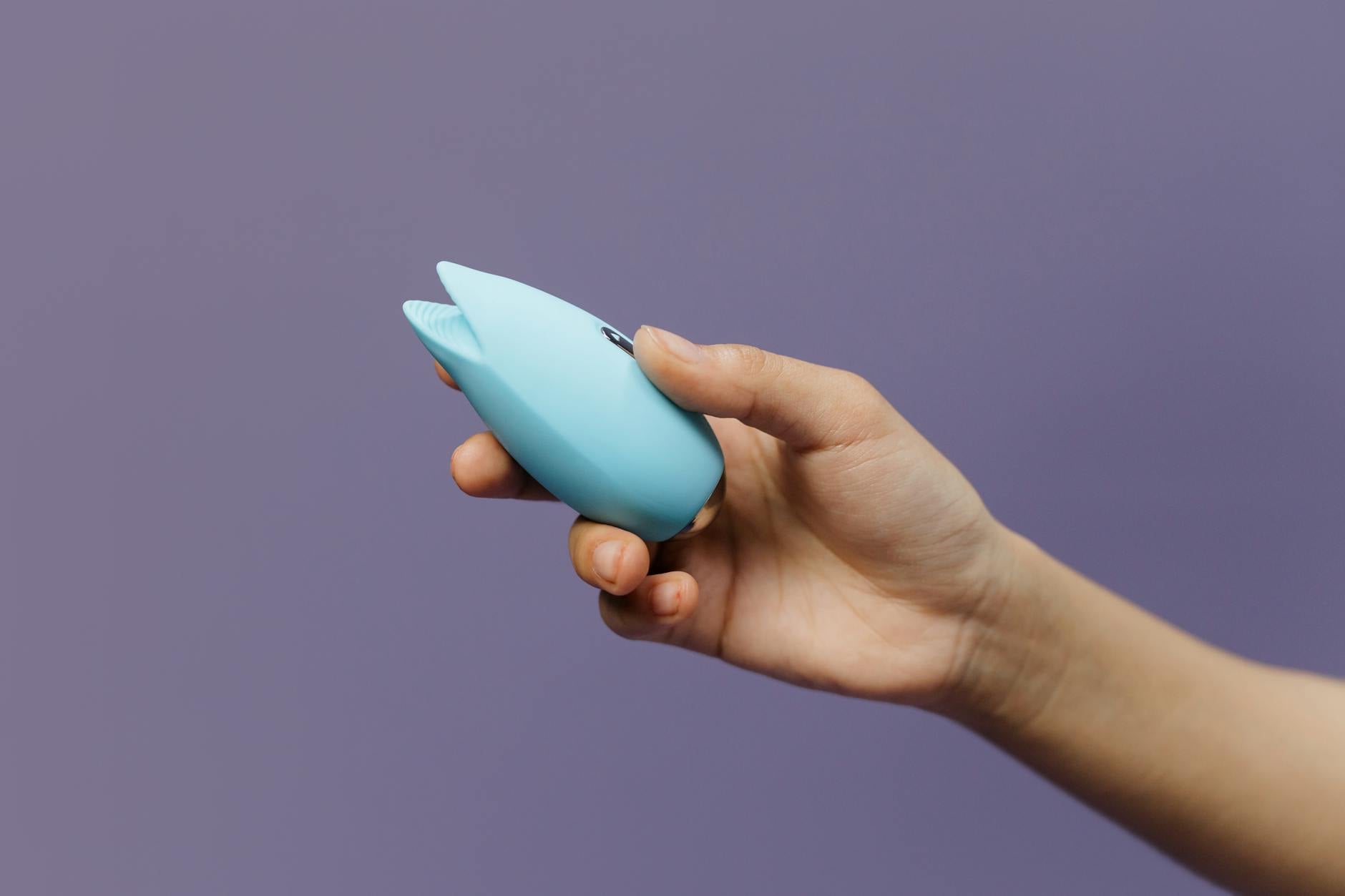
This is where lemon sexual toys like those from Mylem Clit Toy come in. Unlike traditional vibrators that rely on rapid oscillation, lemon vibrators use gentle suction and pulsing. That mechanism matters when you're recovering sensation.
Here's why: traditional vibrators work through friction and speed. They're amazing when sensation is already firing on all cylinders. But when you're coming off hormonal birth control and your nerve endings are still waking up, aggressive vibration can feel either too intense or weirdly numb. Suction-based lemon clitoral vibrators stimulate differently. They create a sealed micro-suction that engages the clitoris without requiring the same intensity of sensation feedback.
The result is that you feel something happening even when your baseline sensitivity is lower. As your hormones normalize and your nerve endings reactivate, you can explore different intensity levels and patterns. You're not fighting against numbness or overstimulation. You're working with your body's actual state right now.
The first three months off birth control
Immediately after stopping, expect things to feel a little strange. Your cycle might be irregular. Your mood might shift. Your libido might spike, crash, or both on the same day.
For pleasure specifically: start with the lowest setting on a lemon vibrator. You're not being cautious because you're broken. You're being strategic because your nervous system is recalibrating. Spend time exploring what feels good now, not what felt good on birth control.
Most people find that their arousal pattern changes. Things that used to take ten minutes now take twenty. Or vice versa. Fantasies that used to work might feel boring, and new things might suddenly appeal to you. This is your real desire talking. Listen to it.
Managing expectations during the transition
This is the part where I see people get discouraged. They think: my sensation should be back by now. I should want sex more. I should be having better orgasms. And when those things don't happen on schedule, they assume something's wrong.
Usually, nothing's wrong. Hormonal recalibration just takes longer than we want. And here's the other part: if you were on birth control for years, your brain might have adapted to lower baseline pleasure. Coming off it means your nervous system has to literally rebuild pathways for desire and sensation. That's not quick.
Using a lemon vibrator during this time doesn't rush the process, but it does give your body something to work with. You're creating positive feedback while your hormones are normalizing. You're also learning what your actual preferences are, untethered from whatever suppression the pill was creating.
Pattern exploration and nerve reawakening
One specific advantage of lemon adult toys: they typically offer multiple intensity levels and pulse patterns. That's useful now. Your clitoris is literally recovering sensitivity. Different patterns activate different nerve endings. You're not looking for the strongest setting. You're looking for the setting that lights something up.
Spend a few weeks just playing. Try patterns one through five on low. Notice which ones create sensation without numbing you out. As your hormones stabilize and estrogen production returns to normal, you'll probably find that higher intensities become more pleasurable.
This is also why suction-based lemon vibrators are gentler than traditional ones during recovery. The mechanism itself is less jarring to reawakening nerve endings. You get stimulation without the mechanical intensity that can feel overwhelming when sensation is fragile.
What to expect by month six
By six months off hormonal birth control, most people report significant shifts. Arousal comes more easily. Orgasms feel sharper and more present. Natural lubrication is back. Desire cycles with your actual menstrual cycle instead of staying flat.
At this point, you probably don't need to think about your sensation recovery anymore. You're back in your baseline. But you might find that you actually prefer the lemon clitoral vibrators you discovered during the transition. That's totally normal. You learned what works for your body.
If sensation is still notably dampened at six months, check in with a gynecologist or reproductive endocrinologist. Sometimes the hormonal system needs more time. Rarely, there's an underlying issue (like low testosterone production) that benefits from attention.
Partners and communication during transition
If you're in a relationship, your partner probably needs context too. "I'm off hormonal birth control and my body is recalibrating" is information they can work with. "I'm broken" or "I'm not attracted to you anymore" (which people sometimes conclude when sensation feels muted) creates confusion.
Using a lemon vibrator with a partner can actually strengthen this conversation. It's not about them or about the relationship. It's about you exploring what your body actually wants now. Many partners find that appealing. It feels collaborative rather than like something's wrong.
FAQ
How long does it take to restore sensation after stopping hormonal birth control?
Most people notice significant changes within one to three months. Full restoration typically takes three to six months. Individual variation is huge though. Some people feel back to normal in weeks. Others take a year. The length of time you were on hormonal contraception also matters. Ten years on the pill takes longer to recover from than two years.
Can I use a lemon vibrator immediately after stopping birth control?
Yes. Start on the lowest setting and go gently. You're not rushing recovery. You're creating feedback while your body adjusts. It's like physical therapy for your pleasure system.
Will lemon vibrators speed up my sensation recovery?
They won't magically fast-track your hormonal recalibration. But they provide consistent stimulus during a period when your own arousal system is unpredictable. That consistency can help you understand what your body actually wants outside of hormonal suppression.
Should I expect my orgasms to change?
Yes, expect changes. They might become more intense, happen faster, or feel different in kind. Some people's orgasms are more full-body after stopping hormonal contraception. This isn't better or worse. It's just different. And it's usually the real you, not the medicated you.
What if sensation doesn't improve after six months?
Check in with a doctor. Sometimes the system takes longer. Occasionally, there's an underlying issue like low testosterone that benefits from investigation. It's worth ruling out anything systemic before assuming you're just a slow responder.
Can lemon vibrators help if I'm switching to non-hormonal birth control?
Non-hormonal contraception (copper IUDs, barriers, etc.) doesn't suppress sensation, so recovery isn't relevant. But if you're exploring pleasure in a new way, lemon sexual toys are useful for anyone. Different people prefer different tools.
The bigger picture
Coming off hormonal birth control is one of those things that reshapes your relationship to pleasure and desire. It's physiological, but it feels personal. You might discover that the things that turned you on while medicated don't anymore. Or that your capacity for sensation is actually bigger than you thought. Or that you need different kinds of stimulation to feel satisfied.
A lemon vibrator isn't the answer to reclaiming sensation. Your body's own hormone restoration is. But having a responsive, well-designed tool during the transition makes the process less confusing and more exploratory.
If you're starting this journey, be patient with yourself. Your nervous system is literally rewiring. That takes time. And it's worth it.