Here's the thing nobody says out loud
One person finishes first. Then there's a pause. Then either someone fakes it or stops mid-rhythm, and the whole mood shifts. It's awkward. It happens constantly. And nobody talks about it because the whole dynamic feels like someone's doing something wrong.
They're not. Orgasm timing is as individual as a fingerprint. Some people need four minutes of consistent stimulation. Others need twenty. Some come faster when they're relaxed, others when they're focused. Adding a partner into that equation doesn't change the math. It just makes it visible in a way that solo play never does.
Why orgasm speed mismatch feels like a bigger problem than it is
The real issue isn't the timing itself. It's what we tell ourselves the timing means. "If my partner comes first, do they find me boring?" "If I come first, am I too sensitive?" "If it takes me ages, is something wrong with my body?" These are the actual thoughts that derail things, not the two-minute gap.
Here's the clinical reality: orgasm timing differences are completely normal and don't correlate with attraction, arousal level, or sexual compatibility. A 2019 study in the Archives of Sexual Behavior found that orgasm gap has zero correlation with relationship satisfaction. Zero. What matters is whether both people feel like their pleasure is being prioritized.
That's where lemon vibrators actually change the game.
Why lemon vibrators work differently for timing mismatches
There are three reasons traditional approaches to this problem fall short. First, relying on manual stimulation means one partner's arousal is tied to their stamina and focus. Second, trying to "slow down" one person usually kills their orgasm entirely instead of delaying it. Third, everything becomes performance oriented instead of pleasure oriented.
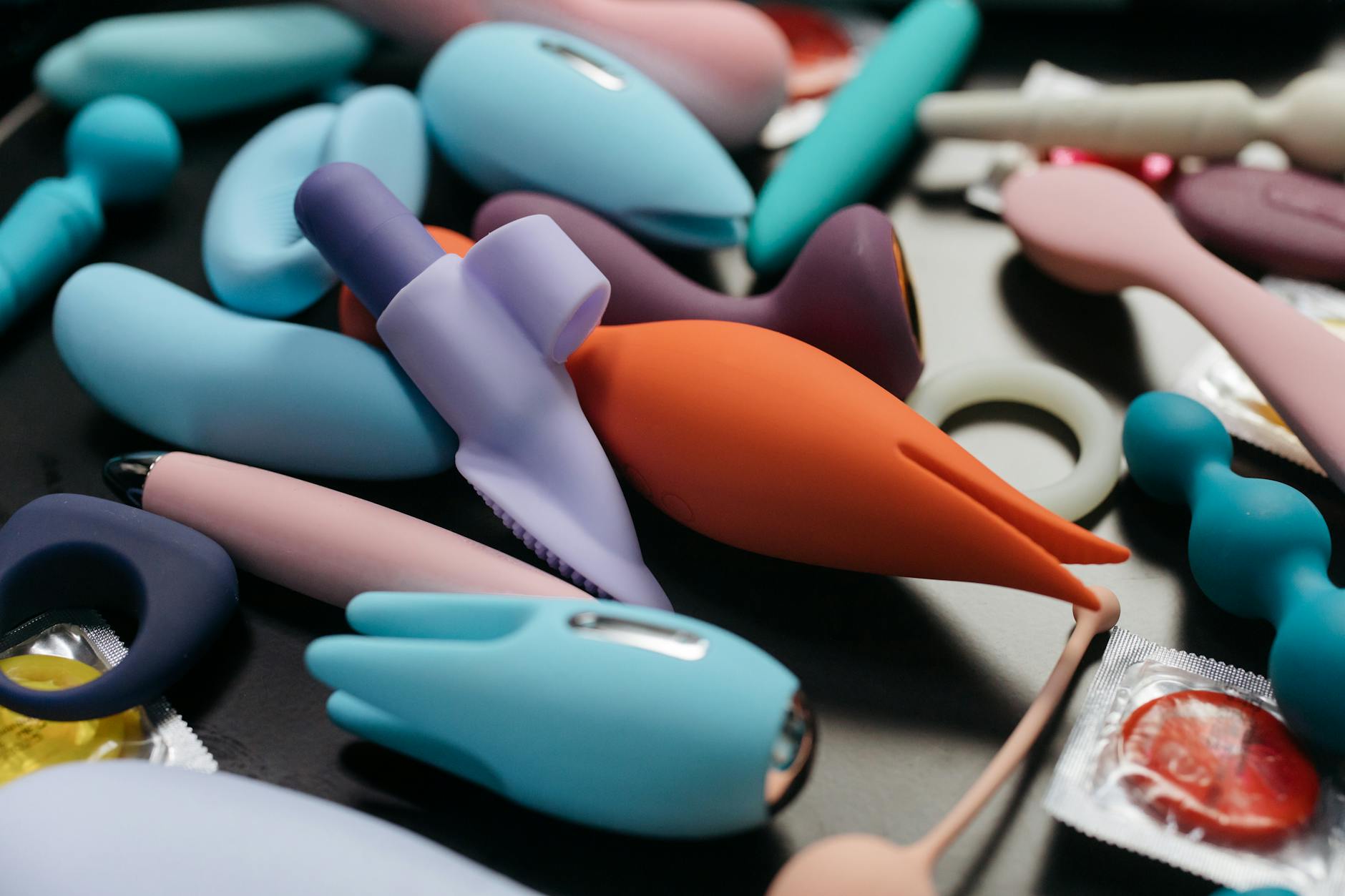
Lemon vibrators, specifically models like the Lem, work around all of this because they introduce independent, consistent stimulation that doesn't require coordination or willpower. One person can be getting sustained suction or vibration while the other is building up to their own rhythm. The faster person doesn't have to pretend to still be aroused. The slower person doesn't have to rush. You're both actually enjoying what's happening instead of watching the clock.
The suction mechanism in particular is valuable here because it doesn't fatigue the way a hand does. You can apply continuous, even pressure for as long as needed without someone's arm getting tired or their attention drifting. It's impersonal in the best way. It's not about pacing yourself for your partner. It's just about what works.
Choosing the right lemon vibrator based on your specific timing dynamic
Not every couple needs the same tool. Your dynamic depends on whether the timing mismatch is a three-minute gap or a ten-minute one. And whether you're working with orgasm speed, orgasm difficulty, or both.
If one person consistently comes much faster and the other needs more time, a lemon clitoral vibrator with adjustable intensity levels gives the faster person something to do that isn't just waiting. They can control the intensity, experiment with patterns, and stay engaged while their partner gets the time they actually need. Lemon adult toys with variable settings let you meet both people's paces in the same session.
If the mismatch is extreme (one person needs 8 minutes, the other needs 25), layering works better than taking turns. Both partners can use stimulation simultaneously. The person who comes first can keep going at a lower intensity, or stop entirely and focus on their partner. Either way, it stops feeling like a race.
If penetration is part of your sex life, a lemon sucker is especially useful because it provides independent clitoral stimulation while penetration is happening. This dramatically levels the playing field for the orgasm gap because the person receiving penetration isn't waiting for clitoral stimulation to match the pace of that penetration anymore. They're getting both simultaneously, and they can control the clitoral part entirely.
The conversation that needs to happen first
Tools don't solve relationship problems. But they do solve logistical problems, which frees up space for actual intimacy. Before you introduce anything, though, you need to separate the timing issue from the emotional issue.
One of you probably feels bad about being "too fast" or "too slow." That's the conversation to have. Not with blame, not with solutions, just acknowledgment. "I've noticed we have different paces. I don't think anything's wrong. I also don't want you to fake it or rush. Let's figure out what actually feels good for both of us."
Then the lemon vibrator conversation becomes about logistics, not insecurity. "I found this toy that might help us stay connected while also getting what we actually need." That's a completely different vibe than "Your orgasm timing is a problem we need to fix."
Specific settings and patterns that actually help
If you're using a lemon vibrator with the faster partner, starting at a lower intensity prevents oversensitivity. Intermediate settings (usually patterns 2-4 on most models) create sustained pleasure without pushing toward another orgasm immediately. This extends the session without numbing.
For the slower partner, starting with higher intensity and then dropping down once they're close works well. Or building from low intensity as they warm up. The advantage of a consistent tool is that you're not trying to guess pressure or rhythm. You're just adjusting one variable.
Alternating sessions helps too. If you typically have sex at night, sometimes take ten minutes beforehand where one person uses a clitoral vibrator solo (with their partner watching or helping, whatever feels right) until they're already partially satisfied. Then when you're together, you're starting from a different baseline. The person who usually comes first might not finish first if they're already partway there. The slower person might have an easier time if their partner is fully present and less goal-focused.
Experimenting with penetration plus vibration changes everything. If both partners are experiencing clitoral stimulation plus penetration, the dynamic shifts entirely. Neither person is the "recipient." You're both actively getting something. The orgasm timing gap usually shrinks dramatically because you're no longer dealing with the biological reality that penetration alone doesn't usually get someone with a clitoris to orgasm.
What doesn't help (and why)
Telling the faster person to "think about something else" to delay orgasm usually backfires. It increases anxiety. Distraction doesn't work when you're already aroused. What works is genuine pleasure at a different intensity level, which is why the vibrator approach is solid.
Pressuring the slower person to "let go" or "stop overthinking" is similarly useless. If someone's nervous, distracted, or just naturally slower to build arousal, willpower isn't the issue. The lemon sexual toys help here because they're consistent in a way a human partner never will be. There's no performance pressure. No one's watching. No one's waiting. Just sustained, reliable sensation.
Also don't expect a vibrator alone to fix deeper relationship friction. If you're having sex because someone feels obligated, or because there's resentment, a lemon vibrator isn't going to resurrect the mood. But if you generally like each other and sex is good except for the timing logistics, then a tool that removes the coordination problem is genuinely valuable.
Real expectations about what this actually changes
A lemon vibrator won't make you climax at exactly the same moment. Synchronized orgasm is rare and honestly often less satisfying than the myth suggests. What it does is remove the pressure of that expectation. You're both experiencing genuine pleasure on your own timelines. Then the person who finishes first can enjoy their partner's experience instead of either faking satisfaction or checking out emotionally.
Many couples report that introducing a vibrator actually increases intimacy because it removes the performance aspect. You stop worrying about timing and start actually paying attention to what's happening. You can make eye contact. You can touch each other in non-goal-oriented ways. You can laugh if something awkward happens instead of it being this tense moment.
The lemon clitoral vibrators also help because they're simple to use and genuinely pleasurable solo, which means both partners can develop their own relationship with the tool independent of the timing problem. Solo exploration actually helps with coupling later because you both know your own body better.
A quick note on communication during the session
If you're both using lemon adult toys simultaneously, simple check-ins help. "Does this speed work?" "Want me to switch patterns?" "Do you want me to slow down or keep going?" These are easier questions to ask when you're not trying to manage someone else's arousal in real time. You're just managing your own tool's intensity. The conversation becomes technical instead of emotional, which somehow makes it less awkward.
If you're using it on a partner, reading their body matters more than watching their face. Pelvic tension, breathing, muscle engagement. Those tell you when intensity should go up or the pattern should shift. And asking directly is always better than guessing. "Too much?" "Not enough?" "Want me to try a different pattern?" Takes thirty seconds and prevents a lot of awkward misalignment.
FAQ
Why do people with vulvas typically orgasm more slowly than people with penises?
It's not universal, but it's common enough to be statistically reliable. Clitoral orgasm typically requires more consistent, direct stimulation than penile orgasm, and it takes longer for that arousal to build. Additionally, psychological factors like distraction or anxiety affect people with vulvas disproportionately because clitoral arousal is more fragile to interruption. A lemon vibrator with consistent suction or vibration eliminates the inconsistency that often extends the timeline even further.
Can using a lemon vibrator actually fix the orgasm gap or will we always have timing mismatch?
It depends on whether the gap is biological (some bodies just work this way) or situational (nerves, distraction, medication side effects). A vibrator helps with both, but it won't rewire someone's neurology. What it does is make the gap irrelevant because both people can experience pleasure independently. You'll likely always have different rhythms. The vibrator just means that's fine.
Is it weird to use a vibrator if my partner thinks they should be "enough" for me?
That's a common anxiety, and it's worth having a gentle conversation about. The truth is a vibrator isn't replacing them. It's solving a logistics problem that's actually about their body, not about you or them. Framing it as "I want to feel good AND I want to feel connected to you" usually helps. Also, many partners find watching or helping incredibly hot. That aspect can transform the whole dynamic from "vibrator is a replacement" to "vibrator is something we do together."
If I use a lemon sucker or clitoral vibrator when we have sex, will I stop being able to orgasm from other types of stimulation?
No. Vibrator-induced numbness is a myth. What sometimes happens is that your body learns what intensity it actually needs, and then manual stimulation feels underwhelming by comparison. But you haven't lost the capacity. Taking a few weeks off vibrator use usually resets sensation if you want to experiment with that. Most people who use lemon adult toys consistently just prefer them, which is different from becoming dependent.
What if my partner wants to use the vibrator and I don't?
That's totally valid. Not everyone wants vibrator stimulation, and that doesn't mean you're broken or incompatible. If the orgasm timing mismatch is an actual problem, there are other solutions: more foreplay for the slower person, less expectation of penetration, focusing on oral sex where you have more control of rhythm. The vibrator is one option, not the only option.
How do we pick a lemon vibrator if we both want to use it sometimes?
Look for something with adjustable settings so both intensities feel good. The Lem works well for this because the intensity range is wide enough that someone who needs more direct stimulation and someone who prefers gentler sensation can both get what they want. You can also just take turns, or buy two different models if your preferences are wildly different. There's no rule saying a couple has to share one.
The actual takeaway
Orgasm timing differences aren't a sign of incompatibility. They're a sign that you're two different bodies in one relationship, and that's always going to create some coordination challenges. Lemon vibrators solve the coordination problem in a way that actually improves pleasure for both people instead of forcing compromise. You're not trying to sync up. You're giving each person what they actually need. That's better sex. That's also better intimacy, because you're not managing each other's bodies anymore. You're just both enjoying yourselves.
If you want to explore this angle, the simplest starting point is a lemon clitoral vibrator with adjustable intensity. Something you can both experiment with solo first, then together, at whatever pace actually feels good. No pressure. No performance. Just two different bodies learning how to pleasure themselves and each other in a way that works.
Have questions about which lemon vibrators might work for your specific dynamic? Reach out. This is exactly the kind of logistics problem that's worth talking through.