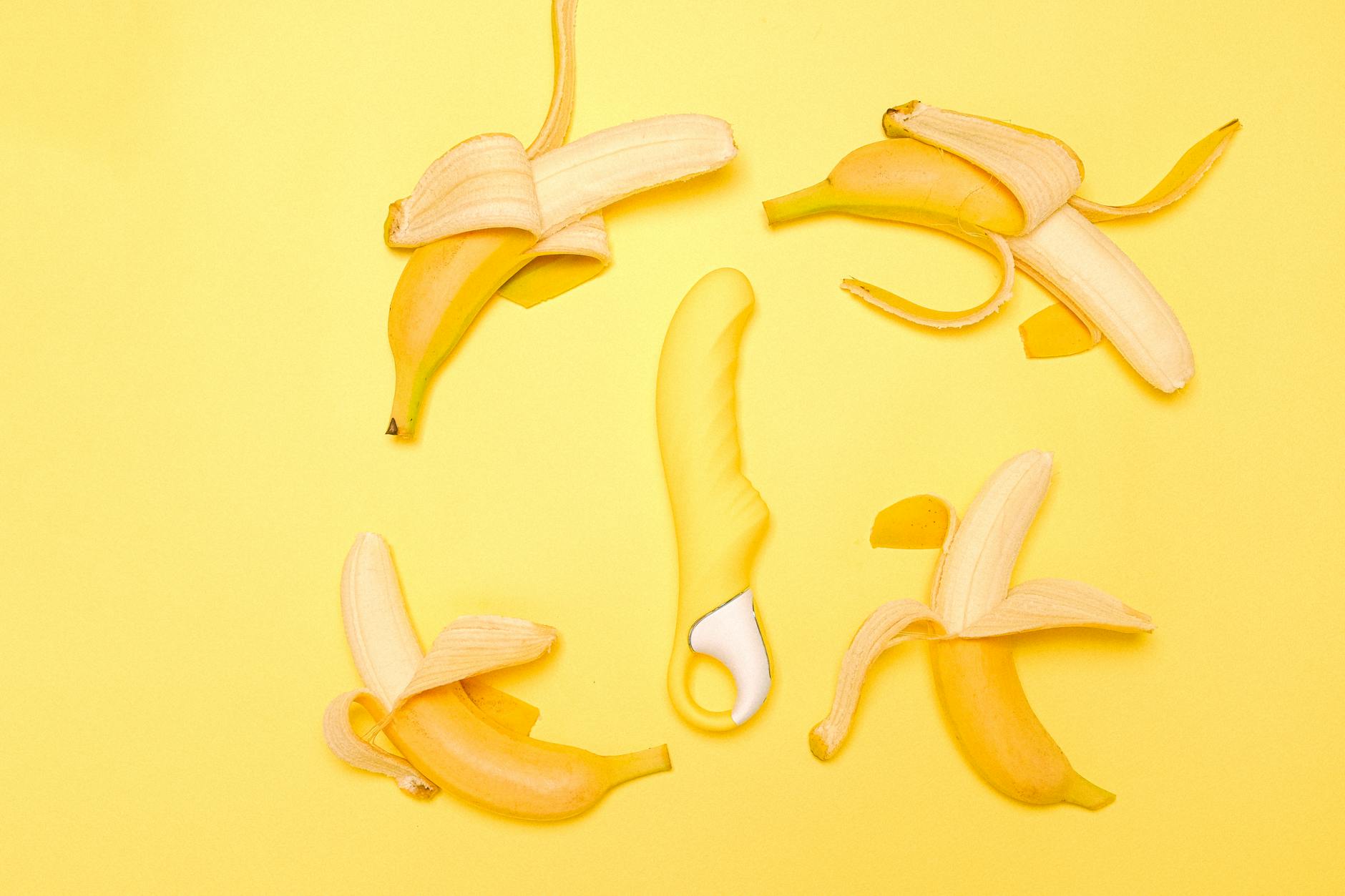
Let's be real about intensity
You bought a lemon vibrator because you heard it was different. And it is. The suction mechanism on lemon clitoral vibrators like the Lem creates a pulling sensation that's fundamentally different from the buzzing stimulation of traditional vibrators. But here's the thing nobody mentions: intensity is personal. What feels incredible for your best friend might feel overwhelming or even uncomfortable for you. And that's not a flaw in your body or the toy. It's just biology.
The good news is that lemon sexual toys are designed with multiple intensity settings for exactly this reason. The challenge is knowing whether you're using the right one.
Signs your lemon vibrator is too intense
Physical discomfort during or immediately after. This is the clearest signal. Pain, numbness, or a sensation of rawness means the intensity is too high. You might notice this during the experience, or it could show up an hour or two later as tenderness. Either way, your body is telling you to dial it back.
Some people describe an overly intense lemon sucker as feeling like a "vacuum" that's too aggressive. If you're gripping the device, pulling it away repeatedly, or adjusting your position to reduce contact, that's feedback. Your nervous system is working hard to manage the sensation instead of enjoying it.
You can't reach orgasm, or it takes much longer than usual. This one surprises people, but it's real. When a clitoral vibrator is too intense, the stimulation can actually numb you instead of building arousal. Your body goes into defense mode. Sensation flattens instead of building. You might feel stuck in the early phases of arousal, unable to climb higher. If you're feeling that flatness, turn the intensity down.
You're tense instead of relaxed. Pleasure requires a degree of nervous system relaxation. If your lemon clitoral vibrator is too strong, your pelvic floor tightens involuntarily. Your jaw clenches. Your breathing gets shallow. That tension works against orgasm, not toward it. The right intensity lets you settle into sensation instead of bracing against it.
You feel sore for hours or even days. Delayed soreness or a persistent ache in your external genitals means the intensity was too aggressive or the session was too long at that setting. Unlike sharp pain during use, this delayed tenderness often means overuse at a setting that was borderline too much.
Why intensity matters more with air-suction toys
Traditional vibrators buzz at a consistent frequency. You can feel the strength, but the sensation is distributed. Air-suction devices like lemon sexual toys work differently. They create a sustained pull that concentrates sensation in a smaller area. This is why they're so effective. It's also why getting the intensity right matters.
When you use a suction vibrator, you're working with pressure and release cycles. Too much pressure, and you're not building pleasure. You're building tension. And in the pelvic area, tension and pleasure are opposing forces.
I work with people who've switched from traditional vibrators to lemon clitoral vibrators and made a common mistake: starting at the same intensity level they were used to. That almost always backfires. Even if you loved high-intensity traditional vibrators, you'll likely need lower settings on a lem vibrator. The sensation profile is just different.
How to actually find your right setting
Start at pattern 1 or 2, not the middle. If your lemon vibrator has five settings, begin at the lowest two. Spend at least 5 to 10 minutes at each level before deciding it's not enough. Arousal takes time to build. What feels weak at the two-minute mark might feel perfect at minute eight.
Work your way up in single-level increments. Don't jump from setting 2 to setting 4. Go 1, 2, 3, and pause. Check in with your body. If level 3 feels like the sweet spot, stop there. You've found it.
Notice the difference between "not enough" and "building up to it." Not enough feels static. You're not getting anywhere. Building up feels like arousal is slowly intensifying. Sensation is gathering. There's momentum. If you feel that momentum, stay with it. It usually means the intensity is right.
Use lubricant as an intensity adjuster. Water-based lube isn't just about comfort. It also changes how the suction feels. More lube creates a softer, less intense sensation. Less lube concentrates the intensity. If a particular setting feels too strong, add more lubricant and try again before bumping down to a lower setting. Often, that's the fix.
When to lower the intensity (and when not to)
There's a difference between intensity being uncomfortable and intensity feeling challenging. Challenging can be good. It can be part of building arousal, especially if you have a harder time reaching orgasm. But uncomfortable is your body saying no.
Lower the intensity if you're experiencing pain, numbness, soreness, or if you feel your pelvic floor tensing up involuntarily. Lower it if you've been at a setting for 15 minutes and arousal isn't building. And lower it if you're constantly distracted by managing the sensation instead of experiencing it.
Don't lower it just because a setting feels strong. Suction vibrators are supposed to feel like a noticeable pull. That's part of what makes them work. The intensity should feel present, intentional, and pleasurable. Not overwhelming.
The real game-changer for many people is discovering that they don't actually need high settings. When I work with clients who've switched to a lemon clitoral vibrator, a surprising number find their most satisfying orgasms at settings 2 or 3, not 4 or 5. Lower intensity allows more nuance in sensation. You feel more, not less.
The sensitivity factor
If you have sensitive skin, thin tissue, or you're recovering from hormonal changes, intensity matters even more. Your external tissue is more delicate and more responsive. That can be wonderful. It also means you need gentler settings to avoid irritation.
This isn't weakness. It's just how your body is built. People with sensitive tissue often report deeper, more focused orgasms because the sensation goes further with less stimulation. You're working with your physiology, not against it. This is exactly why lemon sexual toys have multiple settings. You get to find the one that matches your body.
If you're using a lem vibrator for the first time and you know your skin is sensitive, start at setting 1 and plan to spend a few sessions there before moving up. Your nervous system will calibrate. What feels barely noticeable in week one might feel perfectly targeted in week two.
When intensity changes or stops working
Sometimes the right setting shifts. If you've been happily using level 3 for months and suddenly it feels too intense or not intense enough, something has changed. This is normal. Hormonal fluctuations, stress, medication changes, or even seasonal shifts can affect how your body responds to stimulation.
If intensity that used to work suddenly feels overwhelming, that's often your body telling you that stress or hormones have shifted your sensitivity. Lower the setting temporarily. It usually recalibrates.
If settings that used to work now feel weak, the device might need charging, or your sensitivity has shifted in the other direction. That's also fine. Adjust and move forward. Your pleasure is supposed to evolve.
FAQ
Can using high intensity on a lemon vibrator damage your tissue over time?
Not if you're listening to your body. Discomfort is your feedback system. If something hurts, stop. If you're choosing high-intensity settings and your body feels good, there's no damage risk. The concern would be if you're pushing through pain or discomfort regularly. That's when tissue can become irritated. High intensity itself, at the right setting for your body, is safe.
Is it normal for suction intensity to feel different than traditional vibrator intensity?
Completely. Suction is a pull sensation concentrated in a smaller area. Vibration is a buzz distributed more broadly. They're not comparable on a one-to-one scale. You might love high-intensity traditional vibrators and find that setting 2 or 3 on a lemon clitoral vibrator is your sweet spot. This is totally normal and nothing to worry about.
My lemon vibrator is painless but numb. Is it too intense?
Yes. Numbness is a sign that the intensity is overwhelming your nerve endings. It's a form of sensory overload. Lower the setting and give yourself a break. Numbness usually clears within a few hours, but the fact that it happened means that setting is too high for you.
How long should I spend at each intensity level before moving up?
At least 5 to 10 minutes per session. Arousal takes time. What feels insufficient after two minutes often feels perfect after ten. Give each level a real chance before deciding it's not enough.
Can lube really change how intense a lemon sucker feels?
Yes. Lube creates a buffer between the device and your tissue, which softens the intensity. If a setting is borderline too strong, adding more water-based lube often solves it without having to drop to a lower setting. This is one of the most underrated adjustments people can make.
What if I want more intensity but I'm already at the highest setting?
You have a few options. You can reduce lubrication slightly, which will intensify the sensation. You can extend your session length, which often deepens arousal and makes the same setting feel stronger. You can experiment with different angles or positions, which changes pressure and how the suction feels. Before assuming you need a more intense toy, try these adjustments first. Usually one of them shifts the experience.
Your lemon vibrator is built with settings because our bodies are complex. The right intensity isn't the highest number. It's the setting that builds your arousal, feels good during the experience, and leaves you feeling satisfied. Finding that setting takes a little exploration. That exploration is part of the pleasure.