Let's start with what low libido actually is
Low desire isn't the same as broken desire. It's not even the same as "not interested in sex." Low libido usually means your baseline drive has shifted. The spark that used to ignite easily now takes more friction. And here's what matters: a clitoral vibrator doesn't fix low libido. It works around it.
That distinction changes everything about how you use one.
I work with couples where one partner has experienced a genuine drop in sexual appetite. Stress, hormones, medications, relationship distance, burnout. Sometimes there's a clear cause. Sometimes it's a mystery. What I've noticed is that people with lower drive often think they need willpower or a pep talk. What they actually need is a tool that makes pleasure achievable without waiting for desire to show up first.
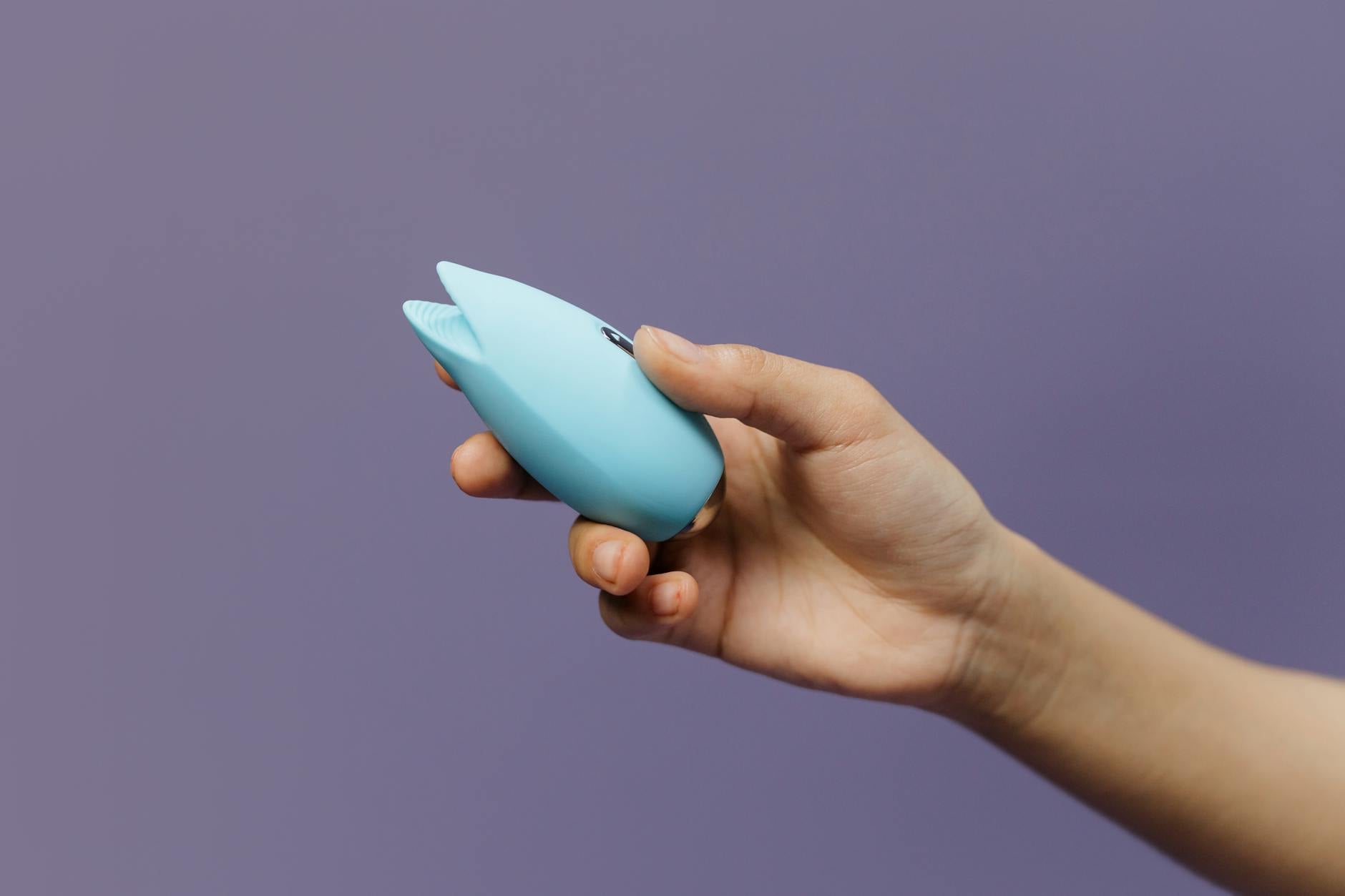
A lemon clitoral vibrator is that tool.
How low libido and pleasure work differently
First, let's separate desire from pleasure. They're not the same thing.
Desire is the urge to have sex. Pleasure is what happens once you do. Low libido means your desire is quieter. It doesn't mean your capacity for pleasure has disappeared.
This is critical because most advice for low libido assumes you need to manufacture desire. "Try date night." "Read erotica." "Set the mood." These work for some people. For others, they feel like homework. The pressure to feel turned on actually suppresses arousal further.
What works better is this: skip the desire part and go straight to pleasure. A lemon vibrator lets you do that. It doesn't require you to feel like you want sex. It just requires you to be willing to feel good. Those are different asks.
One of my clients put it this way: "I didn't want sex. But I was willing to lie down for ten minutes and let something feel nice." That willingness is the entry point. The pleasure that follows often reconnects them to desire later.
Why lemon vibrators work for low libido specifically
Clitoral suction vibrators like the Lem work differently than traditional vibrators for low libido for three reasons.
Pattern variety. The Lem has multiple suction and pulse patterns. This matters because low libido often comes with low sensitivity. Your body's responsiveness dips. A toy with one setting might feel boring. Multiple patterns let you explore without getting stuck in the same sensation. You're not waiting for your body to feel the same way it used to. You're finding what actually works now.
Gentler entry point. Some lemon clitoral vibrators, including suction toys, start at lower intensities. For people with low desire, high intensity from the start can feel aggressive. You want to build. Gentler toys let you ease in, which reduces the mental friction of "this doesn't feel right" that often stops people before pleasure can arrive.
External focus. Low libido often comes with a mental component. You're distracted, worried you're broken, anxious about your partner's reaction. A toy that creates immediate, localized sensation gives your brain something to focus on besides the anxious loop. It's a redirect, not a fix. But redirects matter.
How to use a lemon vibrator when desire is low
Three rules that actually work.
Rule 1: No goal. Stop aiming for orgasm. This is the biggest blocker for people with low libido. You lie down thinking "I need to finish this" and your nervous system tenses up. Instead, tell yourself you're just exploring sensation for five minutes. That's it. No orgasm target. No performance timeline. You're allowed to stop anytime. This sounds soft, but it's the most practical thing you can do because it removes the pressure that's actually killing arousal.
Rule 2: Anticipation building. Don't jump straight into intensity. Start the Lem on pattern one or two. Let your body recognize the sensation. You're building a chain reaction in your nervous system, not forcing one. Five minutes at low intensity often unlocks more desire than ten minutes of hard vibration. Your body needs permission to warm up. Give it time.
Rule 3: Separate sessions from partnership. If you have a partner, this is important. Use the toy alone first. Low libido often comes with performance anxiety. "Will my partner think I'm taking too long?" "Am I broken because this doesn't feel like it used to?" Solo sessions remove that pressure. You're building a relationship with your own pleasure first. Once you've reconnected to sensation on your own terms, partnered sex often becomes easier because you're not carrying the weight of "fix me."
The role of lubricant and timing
Low libido often means slower arousal. Your body takes longer to produce natural lubrication. This is physical, not emotional. But it affects everything.
Always use a water-based lubricant, even if you don't think you need it. You probably do. Low arousal means less lubrication. Adding lube removes friction, which reduces physical discomfort, which removes another barrier to pleasure. It sounds mechanical, but removing barriers is how pleasure arrives.
Timing also shifts. If you used to have fifteen-minute sessions before, you might need twenty or twenty-five now. Don't rush this. Low libido isn't solved by speeding up. It's solved by creating conditions where pleasure can happen without forcing.
One more thing: many people with low libido feel their energy shift mid-afternoon. You might discover you're more responsive at 2 PM than 8 PM. Give yourself permission to follow that. Pleasure doesn't have to happen when you think it should.
When low libido is really about something else
Here's where I pivot from tool advice to relationship advice.
Sometimes low libido isn't a body thing. It's a relationship thing. You're angry at your partner. You feel unseen. There's distance you haven't named. A vibrator helps with pleasure. It doesn't fix resentment.
If your low desire is paired with emotional distance, physical affection that doesn't lead to sex, or communication that's stalled, a lemon vibrator won't solve it. It might make you feel more alive during solo time. But it won't rebuild intimacy with your partner.
That's a different conversation. And it matters to have it before you assume low libido is your problem to fix alone.
The medical layer you shouldn't skip
If your libido dropped suddenly and you can't pinpoint why, see someone. Low desire can be a symptom of thyroid issues, depression, hormonal imbalance, or medication side effects. None of those respond to a better toy.
I recommend starting with your primary care doctor. If they're dismissive, find a menopause specialist or a therapist trained in sexual health. These providers actually understand that low libido has physical roots sometimes.
A lemon clitoral vibrator works beautifully when low desire is situational, relational, or normal variation. It works less well when there's a treatable medical condition underneath. Get checked first. Then use the tool.
Rebuilding desire through pleasure
Here's what often happens. You start using a lemon vibrator without the pressure to perform. You find sensations that actually feel good. Your body releases the tension it's been holding around "sex is supposed to feel a certain way." Over weeks, you notice something shifts. Not because the toy fixed you. Because you gave yourself permission to explore pleasure on your own terms.
Desire often follows. It doesn't show up first. You pleasure your way back to desire.
That's not what sex books usually say. But it's what I see in my practice. People with low libido reconnect best when they stop chasing desire and start living in pleasure instead.
People also ask
Can a lemon vibrator actually increase my sex drive, or does it just mask low libido?
It doesn't increase drive directly. What it does is create positive sensation that reminds your body pleasure is possible. Many people discover their desire returns once they stop white-knuckling through sex they don't feel like having. The tool gives you a way to experience pleasure without the goal pressure, and that often unlocks desire over time. But if low libido is rooted in depression, hormonal issues, or relationship problems, the vibrator is a companion tool, not a cure.
Is it normal that I feel like I'm faking it even with a vibrator?
Yes, and it's a signal. If pleasure still feels performative even when you're alone with a toy, the issue might not be about the tool. It might be about pressure you're carrying. Try one session with zero expectations. No orgasm goal. No timeline. Just five minutes of sensation. If faking feeling continues, that's worth exploring with a therapist who specializes in sexual health.
My partner thinks me using a lemon vibrator means I don't want them anymore. How do I explain it's not that?
Be direct: "This isn't instead of you. This is me rebuilding my own pleasure so I can show up better with you." Many partners misinterpret solo toy use as rejection. It helps to name that it's actually the opposite. You're investing in your own sexuality so partnership sex feels less like a task. That takes courage to say, and it usually lands.
How long does it take before a lemon vibrator helps with low libido?
Three to four weeks of regular use (two to three times weekly) is usually when people notice a shift. Your nervous system needs time to relax around pleasure again. Don't expect overnight results. But if after a month you're feeling zero difference, and low libido is paired with depression or relationship distance, that's when you bring in a professional.
Can I use a lemon clitoral vibrator if I'm on antidepressants that killed my libido?
Absolutely. Many people on SSRIs experience flattened desire and sensitivity. A vibrator with multiple intensity patterns can help you find sensations that still register. That said, if antidepressants are suppressing your libido, talk to your prescriber about adjusting timing, dose, or medication. Sometimes that's a better fix than a toy. But pairing medical conversation with a vibrator often works best.
What if low libido is because I'm just not attracted to my partner anymore?
A vibrator isn't the answer there. That's a relationship conversation, possibly with a couples therapist. Low libido plus low attraction is telling you something important. Listen to it. A toy can help you explore your own sexuality. It can't rebuild attraction that's genuinely gone.
What to remember
Low libido is real. It's also not a life sentence. A lemon vibrator won't trick your body into wanting sex. But it can create a pathway back to pleasure that doesn't depend on desire showing up first. That matters. Start small, set zero goals, and give yourself permission to explore at your own pace. Your pleasure is worth the time.
If you're carrying shame about low libido, or if it's causing distance with a partner, that's worth talking through. Head to the Hello Nancy contact page and consider reaching out for support. You don't have to figure this alone.