Let's name the thing nobody talks about
You had kids. Your sex life didn't disappear, but it went somewhere quiet. Between the 4 a.m. wake-ups, the constant touching by small humans, the mental load of keeping everyone alive, and the bone-deep exhaustion that makes even thinking about desire feel like a luxury you can't afford, intimacy stopped being a priority. It stopped being a thing at all.
Then one day you realize your partner is a stranger who shares your calendar. You love them. You're just not connected to them anymore. And sex feels impossible because you haven't been intimate in so long that the idea of it creates anxiety instead of anticipation.
Here's what I tell couples in this exact position: you don't need more date nights or a weekend away. You need permission to rebuild intimacy on your actual terms, with actual tools, and with honesty about what's changed.
Why parenthood scrambles desire (it's not about love)
This is the piece therapists dance around and partners blame themselves for. Parenthood doesn't kill your capacity for pleasure. It kills the conditions that pleasure needs.
Physically, everything changes. If you were pregnant or gave birth, your pelvic floor spent months in tension. Your hormones are still adjusting if you're nursing or recently stopped. Your nervous system is on alert. Your body is touched out before your partner even reaches for you. That's not a personality flaw. That's physiology.
Psychologically, the transition is even more seismic. You've become responsible for keeping humans alive. Your sexuality, which was once something you owned, gets recoded as something that could result in another baby you weren't planning. The erotic mind requires a kind of freedom and abandonment that directly conflicts with hypervigilance. You can't turn that off with a conversation.
The couples I work with who move through this fastest aren't the ones who force more sex or who white-knuckle their way back to spontaneity. They're the ones who acknowledge the real shift has happened and design something that actually fits their new life.
Why a lemon vibrator changes the conversation
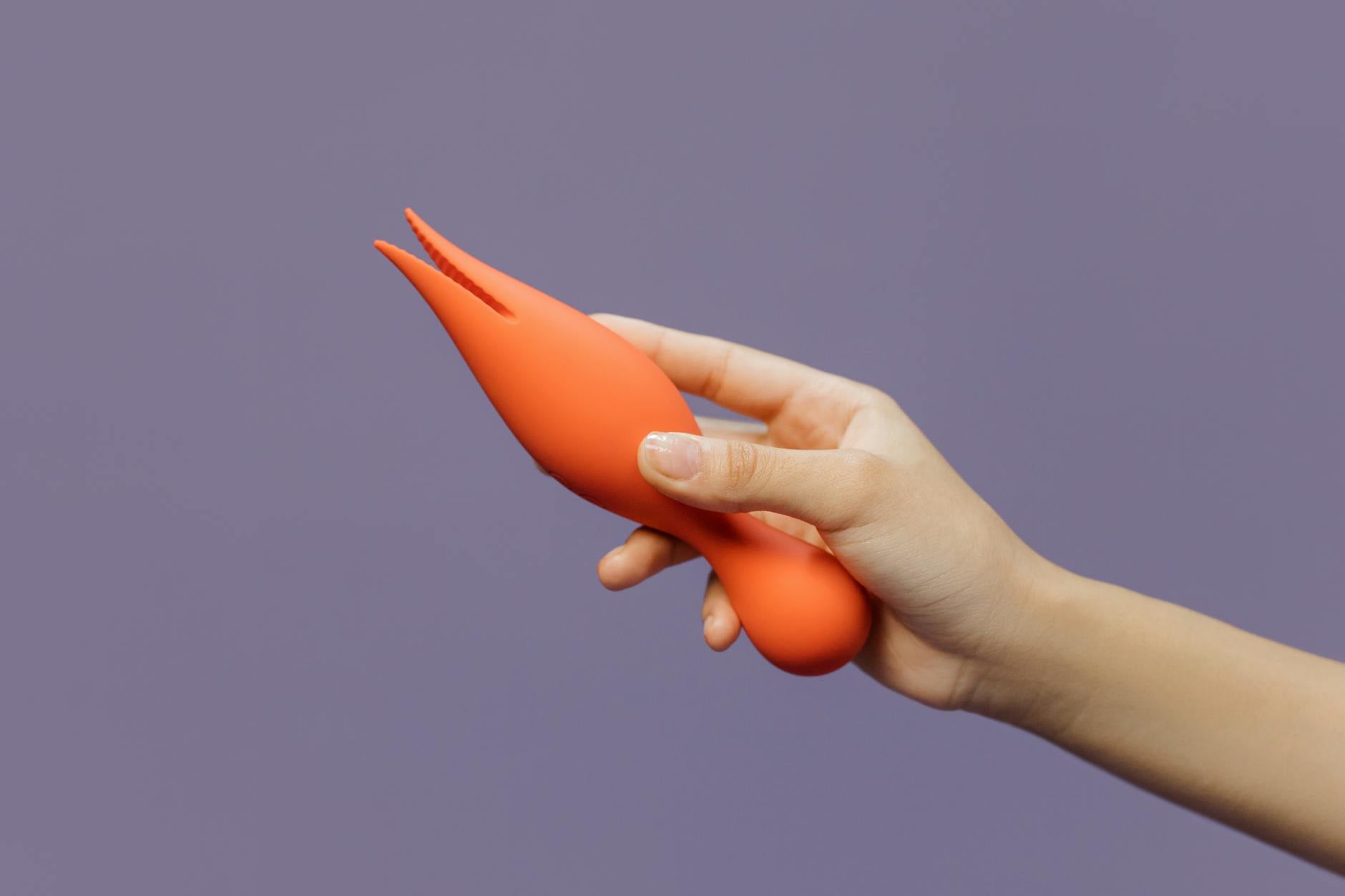
Let me be specific about why lemon clitoral vibrators work for this particular problem.
First, they're not about intensity the way traditional vibrators are. The suction mechanism on something like the Lem is designed to stimulate without requiring the kind of continuous attention that partnered sex demands. You can use it, enjoy it, and be present without performance pressure.
Second, they're portable and quick. After three years of parenting, quick matters. A lemon vibrator can deliver real pleasure in 15 minutes, which is often the only window parents have. That's not second-best sex. That's sex that actually fits your life.
Third, and this is the piece couples therapists actually care about, they shift the power dynamic from "persuading your partner you want sex" to "taking your own pleasure seriously." When you reclaim your own orgasm as something you deserve, something you're willing to engineer for yourself, your partner stops feeling like they have to convince you. They get to witness your pleasure instead of negotiate for it.
The conversation before anything physical happens
This is non-negotiable. You cannot introduce a lemon sexual toy into your relationship without talking about it first, and the conversation has to happen outside the bedroom.
Pick a moment when you're both calm and alone. Not after an argument, not when you're both exhausted, not when one of you is touched out. Say something like this: "I've been thinking about why sex fell off for us, and I don't think it's because I don't want you or because we're broken. I think our nervous systems are just completely fried, and I need to rebuild my own relationship with pleasure first. I'm thinking about trying a toy to help with that, and I want you to know it's not about you. It's about me remembering what wanting feels like."
Then stop. Don't over-explain. Don't ask permission. Don't frame it as something you're doing for the relationship. You're doing it for you. That clarity matters.
If your partner reacts defensively, listen. Some people grew up in cultures where toys feel threatening. Some were taught that real intimacy means no tools. That's their wound to examine, not your job to manage. You can say: "I understand this feels unfamiliar. I'm still the same person you married. I just need a reset."
How to actually use one together
Start by using it alone first. Spend at least a week exploring your own body, your own patterns, your own pleasure without an audience. This isn't about putting on a show for your partner. This is about remembering what arousal feels like when there's no performance anxiety.
When you're ready to involve your partner, there are several ways in depending on what you both want:
Option one: They're present but not touching. You use the lemon vibrator on yourself while your partner watches or simply is in the room. This rebuilds comfort with being seen in pleasure. It's less vulnerable than it sounds because you're directing the experience.
Option two: They help create the conditions. Your partner handles foreplay, kissing, attention while you use the toy on yourself. This combines external stimulation with internal control. You're working together without the pressure of penetration.
Option three: They learn your new pleasure map. As you figure out what patterns feel best, show your partner. "This one right here works better than the others." "I need longer warm-up than I used to." This isn't clinical. It's teaching them how to touch you again, which is its own form of intimacy.
What happens when pleasure comes back
This is the part that surprises couples. When you use a lemon vibrator consistently, your baseline arousal changes. You stop being touched out because you're not chasing desire from zero. You start experiencing actual sexual anticipation, which is the secret fuel for long-term intimacy.
Most couples report that within 4 to 8 weeks of rebuilding individual pleasure, their partnered sex improves dramatically. Not because the sex itself is different, but because they've both reset their nervous systems to remember that their body is capable of good feelings.
You also start to notice what killed the intimacy in the first place. Sometimes it's exhaustion, and sometimes it's relationship friction you'd been ignoring. Having your own pleasure restored often clarifies what still needs to be addressed in the partnership itself.
The reframing that makes it stick
Parenthood doesn't have an expiration date. Your kids won't be small forever, but the depletion can linger long after they grow up. The couples who keep intimacy alive aren't the ones who sacrifice their own pleasure for the relationship. They're the ones who protect their own desire first.
Using a lemon clitoral vibrator isn't a workaround. It's a statement: my pleasure matters. My body deserves to feel good. And my partner deserves to be with someone who's actually present instead of someone who's dread-numbed.
That's what rebuilds desire after kids. Not more effort. Not more vulnerability. Just honesty about what you actually need and the willingness to ask for it.
FAQs on reconnecting with your partner
Will using a vibrator make my partner feel inadequate or replaced?
Not if you frame it correctly. The moment you position the toy as something you're using to get closer to your partner, not away from them, the meaning shifts entirely. When you say "This helps me feel good again, and I want you here for that," you're inviting them into your pleasure, not excluding them from it. Partners feel threatened by toys when they think the toy is a replacement. They feel honored when they understand it's a bridge.
How do I bring this up if my partner has never used toys before?
Start with information, not the toy itself. You might share an article or mention that you've been reading about how clitoral vibrators help couples rebuild intimacy after parenthood. Plant the seed gently. Then, separately, mention that you're thinking about trying one. Give them space to process without pressure. Some partners are curious immediately. Others need time to get comfortable with the idea, and that's fine.
What if my partner wants to participate right away instead of me exploring alone first?
That's okay, but I'd gently suggest a small adjustment. Use it on yourself for a session or two so you understand how it works and what feels good. Then, when you involve your partner, you're not both learning at the same time. You can actually guide the experience instead of fumbling together. It changes the tone from "we're experimenting" to "I know what I like and I'm showing you."
Will this fix the relationship if other things are broken?
No. A lemon vibrator can't fix resentment, poor communication, or a partner who's checked out of the relationship entirely. What it can do is restore one specific channel of connection. If there are bigger relationship problems, those need separate attention, probably with a therapist. But if you've lost intimacy specifically because both of you are depleted and touched out, this is a reset tool, not a band-aid.
How often should we be using a vibrator if we're trying to reconnect?
There's no "should." Start with once or twice a week for yourself, just to get comfortable. When you involve your partner, let that happen naturally, on whatever schedule works. The goal isn't frequency. It's consistency. Two times a month, every month, is infinitely better than a desperate attempt at every night followed by months of nothing.
Can I use a lemon vibrator if I'm still nursing or dealing with postpartum hormone shifts?
Absolutely. In fact, many postpartum bodies benefit from the gentler stimulation of a suction vibrator compared to traditional vibration. If you're nursing, your touch sensitivity might be different. You might need longer warm-up time. You might feel touched out in ways that surprise you. A lemon vibrator respects all of that. Just listen to your body and adjust patterns as needed. If there's pain or unusual sensitivity, check with your doctor, but pleasure itself is part of healing.
Start here
You and your partner didn't fail. Parenthood is just that much of a nervous system shock. The couples who rebuild intimacy aren't the ones who muscle through with willpower. They're the ones who get honest about what's changed and build something that actually works now. A lemon vibrator is just the tool. The real work is remembering that your pleasure still matters.