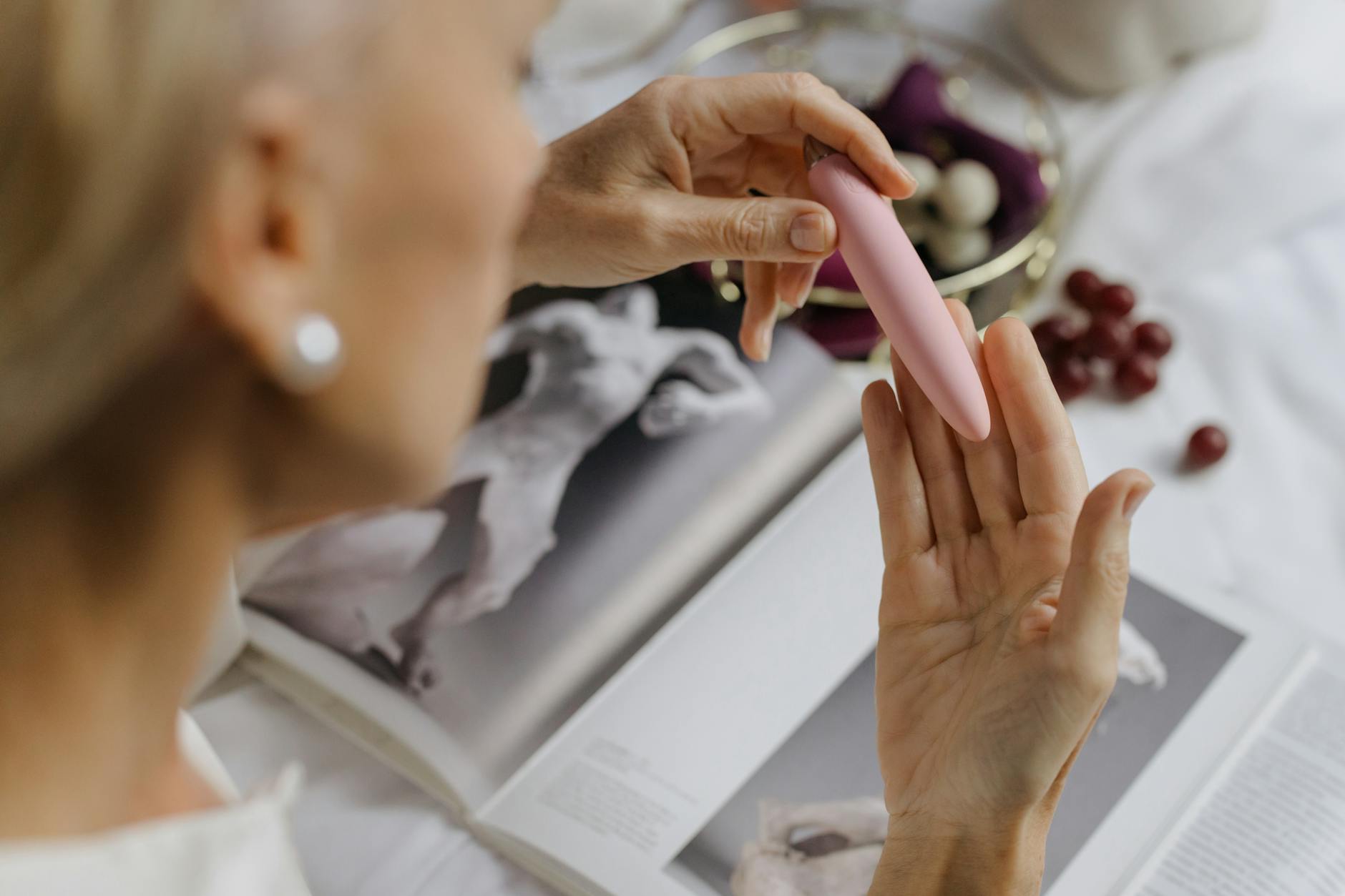
Let's start with what's actually happening
Body changes hit different. Whether it's from aging, pregnancy, weight fluctuation, illness, medication, or life stress, when your body shifts, the feedback loop gets disrupted. You reach for sensation the same way, but it doesn't land the same way back. That gap between expectation and reality is where shame sneaks in. That's where people stop trying altogether.
Here's the truth: your capacity for pleasure isn't gone. The pathway just needs recalibration.
Why body changes affect arousal and sensation
Your nervous system is deeply literal. It responds to tissue, blood flow, hormone levels, pelvic floor tension, and mental presence. When any of those variables shift, the whole experience recalibrates. This isn't weakness or dysfunction. It's neurology.
Three specific things change:
Tissue thickness and sensitivity. Hormonal changes, aging, or medication can affect how thick the clitoral tissue is and how quickly it becomes engorged. That means the intensity you felt at 25 might overstimulate you at 45. Or you might need longer warm-up to reach the same arousal threshold.
Pelvic floor tension patterns. Stress, pain history, or physical trauma can lock the pelvic floor into chronic tightness. When that happens, orgasms feel shallower or take longer to build. Some people describe it as feeling "blocked."
Mental presence. Body changes often bring a grief phase. You're mourning what used to feel easy while trying to stay aroused. That split attention kills sensation every time. The brain has to be somewhat present for pleasure to register.
Lemon vibrators, especially suction-based designs, help because they don't rely on intensity alone. They create a different kind of stimulation that often feels more manageable and more pleasurable once your body adjusts.
Why air-suction design matters for confidence rebuilding
When you've had a negative experience with your body's response, direct stimulation can feel too much or too little. That binary frustration feeds the shame cycle. Air-suction devices like the lemon vibrator sit in a different category. They use gentle rhythmic suction instead of vibration, which means you're not fighting pressure or intensity. You're flowing with it.
This matters psychologically too. Suction feels less clinical than vibration. It feels more like human touch. For people rebuilding confidence, that psychological ease translates to actual arousal. Your nervous system relaxes. Blood flows better. Sensation returns.
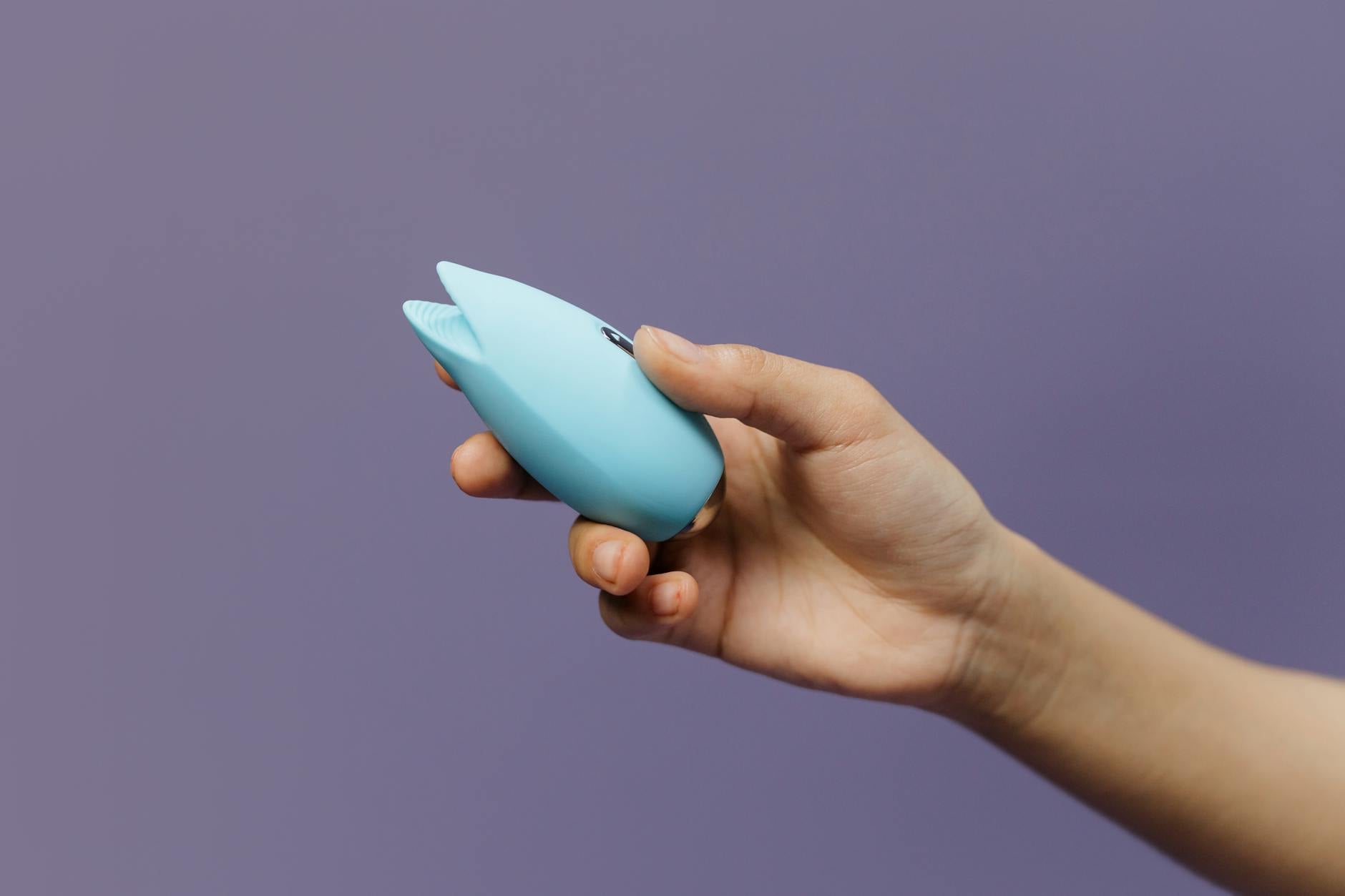
Photo by cottonbro studio on Pexels
The practical rebuild protocol
Start small and non-goal-oriented. This is the part that sounds simple but changes everything.
Session 1-2: Exploration only. Use your lemon vibrator with zero expectation of orgasm. The goal is sensation mapping. Turn it on at the lowest setting and notice what pattern feels different from what you remember. Notice where it feels good. Notice where it feels too much. This is data gathering, not performance.
Session 3-4: Pacing. Now that you know what feels manageable, extend your timeline. Spend 20 minutes on patterns that felt good in sessions 1-2. Let arousal build slowly. Your nervous system is recalibrating, and that takes time. Expecting orgasm on day three is how people re-traumatize themselves.
Session 5 onward: Pattern exploration. Most lemon vibrators have multiple patterns. Cycle through them. Some will feel boring, some will feel perfect, some will surprise you. Your preference has legitimately changed. That's not bad. That's new information about your body.
If you have a partner, let them know you're rebuilding a solo relationship with your pleasure first. That boundary creates safety. Once you've mapped what works, you can invite them in. But not before.
The mental game is bigger than the physical one
Here's what I see in my practice: the moment someone expects themselves to feel like they used to, pleasure stops. The comparison loop activates. "This should feel better." "Why isn't this working?" "Am I broken?" That internal running commentary kills arousal dead.
The antidote is radical acceptance. Not resignation. Acceptance. Your body is different now. That's factual. Some things will feel better. Some things will feel less intense. Some sensations will surprise you with how good they are. You can't know which until you explore without judgment.
Write it down if it helps. After a few sessions, look back at what actually felt good. You'll probably find patterns that have nothing to do with what you expected to enjoy.
When to bring a partner in
The temptation is to involve a partner immediately, thinking their enthusiasm will spark yours. Usually it backfires. You're performing their pleasure while rebuilding yours, which is like juggling while learning to walk.
Instead, get solid in your solo exploration first. Once you can reliably reach arousal and find patterns that feel good, then you can say, "I want you to know what I've discovered." Not "watch me," but "discover with me." That shift changes the dynamic from pressure to collaboration.
For people who had a partner before the body changes happened, this also resets the energy in the relationship. You're not trying to go back to what you had. You're building something new together. That's actually more intimate than either of you expected.
Pelvic floor rehab sits alongside pleasure work
If your pelvic floor is locked tight, no lemon vibrator is going to feel amazing until you address that. The good news: you don't need a specialist to start. You can do this yourself.
Tension release protocol: Lie on your back, knees bent. Breathe into your belly for five breaths. On the fifth exhale, actively relax your pelvic floor (yes, opposite of Kegels). You should feel a slight softening sensation. Do this three times, three times a week. This alone often shifts sensation within a few weeks.
During vibrator use: If you feel clenching, pause. Take three slow breaths. Resume when your pelvic floor has softened. You're teaching your body that arousal doesn't require tension.
If this doesn't improve sensation in four weeks, a pelvic floor physical therapist is worth the investment. They can identify exactly where you're holding and give you targeted release work. It's clinical, it works, and it transforms everything downstream.
The confidence milestone you're building toward
You're not aiming to feel like you did before. That's the trap. You're aiming to feel genuinely good in the body you have now. Those are completely different targets.
Most people hit a turning point around week 3-4 of consistent exploration. Suddenly a pattern that felt mediocre becomes incredible. Or you discover that slower, longer sessions feel better than intensity. Or you realize you like something you never tried before because you thought you "weren't that kind of person."
That turning point is your nervous system saying "I trust this again." Once you trust your own body's signals, confidence follows automatically. You're not thinking about it anymore. You're just experiencing it.
That's the real rebuild. Not forcing your body back to old specifications. Learning to trust yourself in whatever body you're in right now.
FAQ: Rebuilding confidence with lemon clitoral vibrators
How long does it actually take to feel pleasure again after body changes?
Two to four weeks of consistent, pressure-free exploration is typical. Some people find it faster. Some people need eight weeks. The timeline depends on how much mental resistance you're carrying and how significant the physical changes are. The key is consistency without performance pressure. One 20-minute session per week won't work. Three to four sessions per week gives your nervous system enough repetition to recalibrate.
What if I still can't orgasm after four weeks of using a lemon vibrator?
That's data, not failure. It means one of three things: (1) your pelvic floor is too tense and needs targeted release work; (2) you still have performance pressure blocking you; or (3) your body genuinely needs a different type of stimulation. Try switching between lemon vibrators and other styles for a week each to see if one pattern lands better. And honestly? Pleasure without orgasm is still pleasure. If you're feeling sensation and enjoying the sensation, you're winning. Orgasm will follow once your system fully relaxes.
Can I use a lemon vibrator with a partner while rebuilding confidence?
Yes, but not immediately. Give yourself two to three weeks solo first. Then introduce it as collaborative exploration, not as you being "fixed" for their pleasure. The conversation should be "I want to show you what I'm discovering," not "I'm broken and here's how you can help." That distinction matters psychologically. Once your nervous system trusts the sensation with you controlling the device, adding a partner becomes genuinely intimate instead of performative.
Does the brand of lemon vibrator matter for confidence rebuilding?
Quality matters more than brand. You want something with reliable suction strength, multiple patterns, and a design that feels good in your hand. A lemon vibrator like the Mylem design is intuitive and responsive, which means less thinking and more feeling. That mental ease is huge when you're rebuilding. Cheap devices with unreliable patterns will frustrate you and reinforce the belief that your body is the problem. Invest in something reliable.
What if body changes mean I can't feel lemon vibrator suction the way I used to?
Start on lower suction patterns, not higher ones. Most lemon vibrators have adjustable intensity. If standard settings feel too intense, try the gentlest pattern for longer sessions. Your clitoral tissue is more sensitive than you think after changes. You're not looking for maximum sensation. You're looking for sensation that feels good. Those are different targets. Once your tissue and nervous system adjust, you'll naturally gravitate toward stronger patterns.
How do I know if body changes are affecting me psychologically or physically?
Try this test: use your lemon vibrator alone, with zero expectation, in a relaxed environment. If you feel arousal and pleasure, the issue is partly mental (performance pressure, partner dynamics, or grief about changes). If you feel nothing even in ideal conditions, the issue is probably physical (hormone levels, pelvic floor tension, medication side effects, or tissue changes). Most people deal with both. The rebuild work addresses the psychological piece. Physical issues need medical or therapeutic attention.
The body you have right now is capable of pleasure
I've worked with hundreds of people rebuilding their sexual confidence after body changes. The pattern is always the same. First comes the denial phase. Then comes the shame phase. Then, if they stick with it, comes the curiosity phase. That's when everything shifts. Your lemon vibrator is just the tool. The real work is permission. Permission to explore without judgment. Permission to discover that your pleasure might look different now and feel equally good. Permission to trust your body again.
That trust doesn't come back through force. It comes back through patient, repeated evidence that sensation is possible. That's what these sessions build toward. Not a return to how it was. A return to yourself in the body you're in now.
If you're stuck in the shame phase and can't seem to move forward alone, reach out to a therapist who specializes in sexual health or intimacy. Sometimes we need support to believe the rebuild is actually possible. There's no weakness in asking for that.