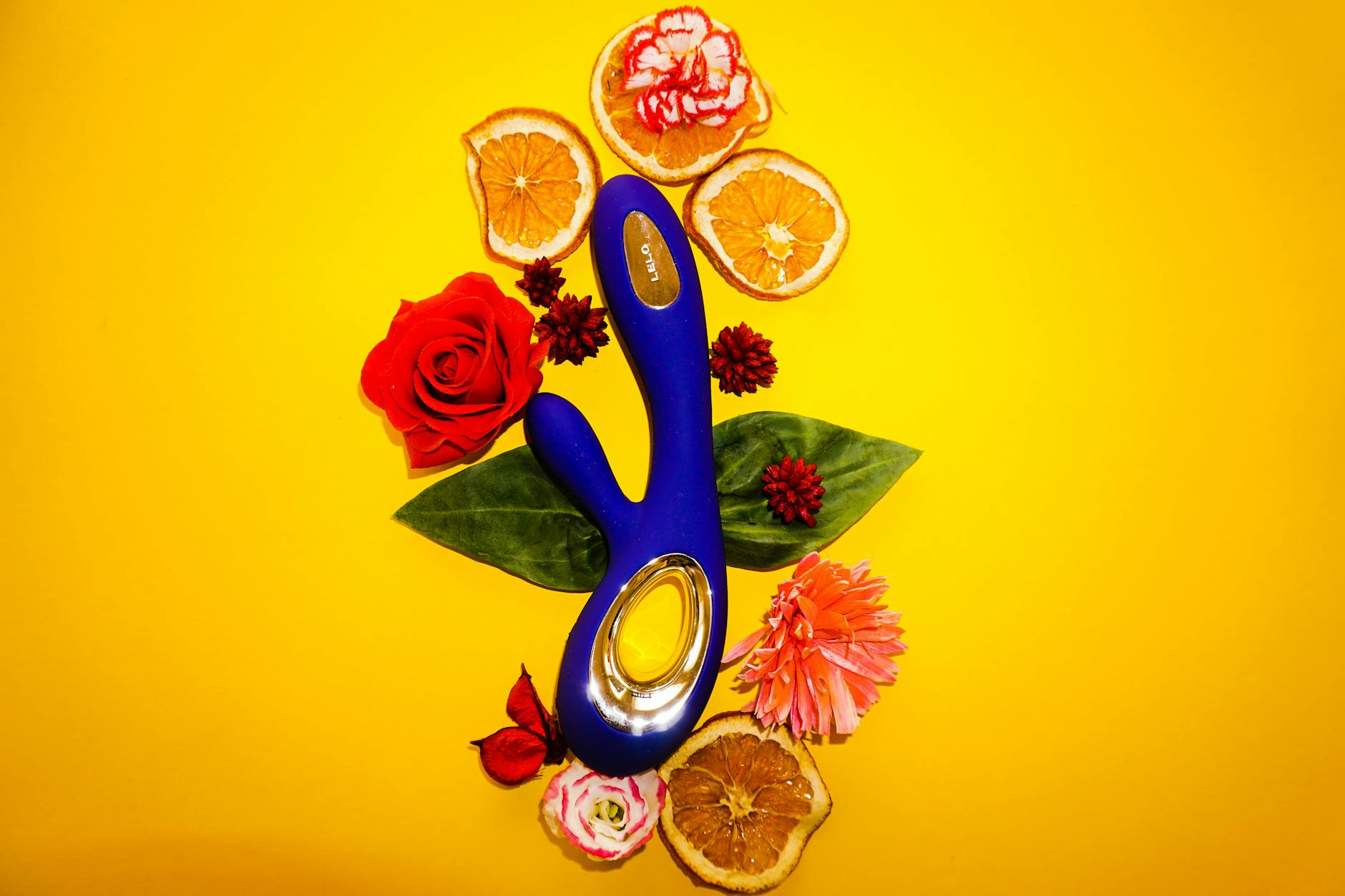
Here's the thing about sexual trauma and pleasure
Recovery isn't linear. Neither is rebuilding intimacy with a partner. What often gets missed in the conversation is that these are two separate journeys that sometimes overlap, and they need different tools.
If you're recovering from sexual trauma, your nervous system has learned to protect you by shutting down in moments that should feel good. That's not a flaw. That's survival. But rebuilding pleasure after trauma requires something most conversations about sex never address: restoring your sense of agency and choice in your own body. A lemon vibrator, used thoughtfully with a partner, can help with exactly that.
Why agency matters more than comfort
After sexual trauma, the body doesn't separate physical pleasure from the violation that happened. Your nervous system groups them together. Someone touching you, even someone you love and trust, can trigger a cascade of protective mechanisms. Your breathing changes. Your pelvic floor clenches. Your mind goes somewhere else entirely.
Most couples try to move past this by "taking it slowly" or "being gentle." Both are kind. Neither addresses the core issue, which is that your body doesn't trust that pleasure is actually yours right now.
Here's what changes when you introduce a lemon vibrator into this process. You're holding the tool. You're controlling the intensity, the pattern, the pressure, and the rhythm. Your partner is present, but they're not the primary source of stimulation. This distinction matters neurologically. Your brain registers: "I am choosing this. I can stop this. This is mine."
That's the beginning of reclaiming your body.
Starting the conversation with your partner
Don't lead with the vibrator. Lead with honesty.
You might say something like: "I want to rebuild sexual connection with you. And I need to do that in a way where I feel in control the whole time. I've been thinking about exploring this together, but it needs to be on my terms."
That sentence does three things. It names the shared goal (rebuilding connection). It sets a boundary (you're in control). It opens a specific door (there's a plan, not just vague hope).
If your partner responds with defensiveness, confusion, or pushback, that's important information. Healing from sexual trauma with someone unwilling to prioritize your safety and autonomy is harder. Much harder. A good partner understands that this isn't about them. It's about you rebuilding trust in your own body, which indirectly rebuilds trust in the relationship.
How to introduce the lemon vibrator
Start solo. This is non-negotiable.
Before your partner ever sees it, you need to know what it feels like. What patterns work. What pressure feels good versus triggering. How your body responds without anyone watching. This is the agency piece again. You're gathering data about your own pleasure, which is radically different from being taught pleasure by someone else.
When you've explored alone and you're ready, you can introduce it to partnered time. Here's a structure that works:
1. Tell your partner what you've discovered. "I've been exploring with a vibrator called a Lem, and I found that I like patterns 3 and 5 the best. I want to try using it while you're here."
2. Set what's allowed. This might be: "You can be next to me, but I'll hold the vibrator. You can't touch me without asking first. We'll stop if I ask to stop, no questions asked."
3. Go slowly. Your first time together might just be you using it while they're in the room reading or doing something nearby. Just their presence, not their participation. This builds nervous system safety.
4. Expand gradually. Over time, you might let them hold the vibrator while you guide their hand. Or you might ask them to touch you in a specific way while you use it. You're building pleasure and safety together.
The key is that you're the architect. They're the apprentice learning what you like.
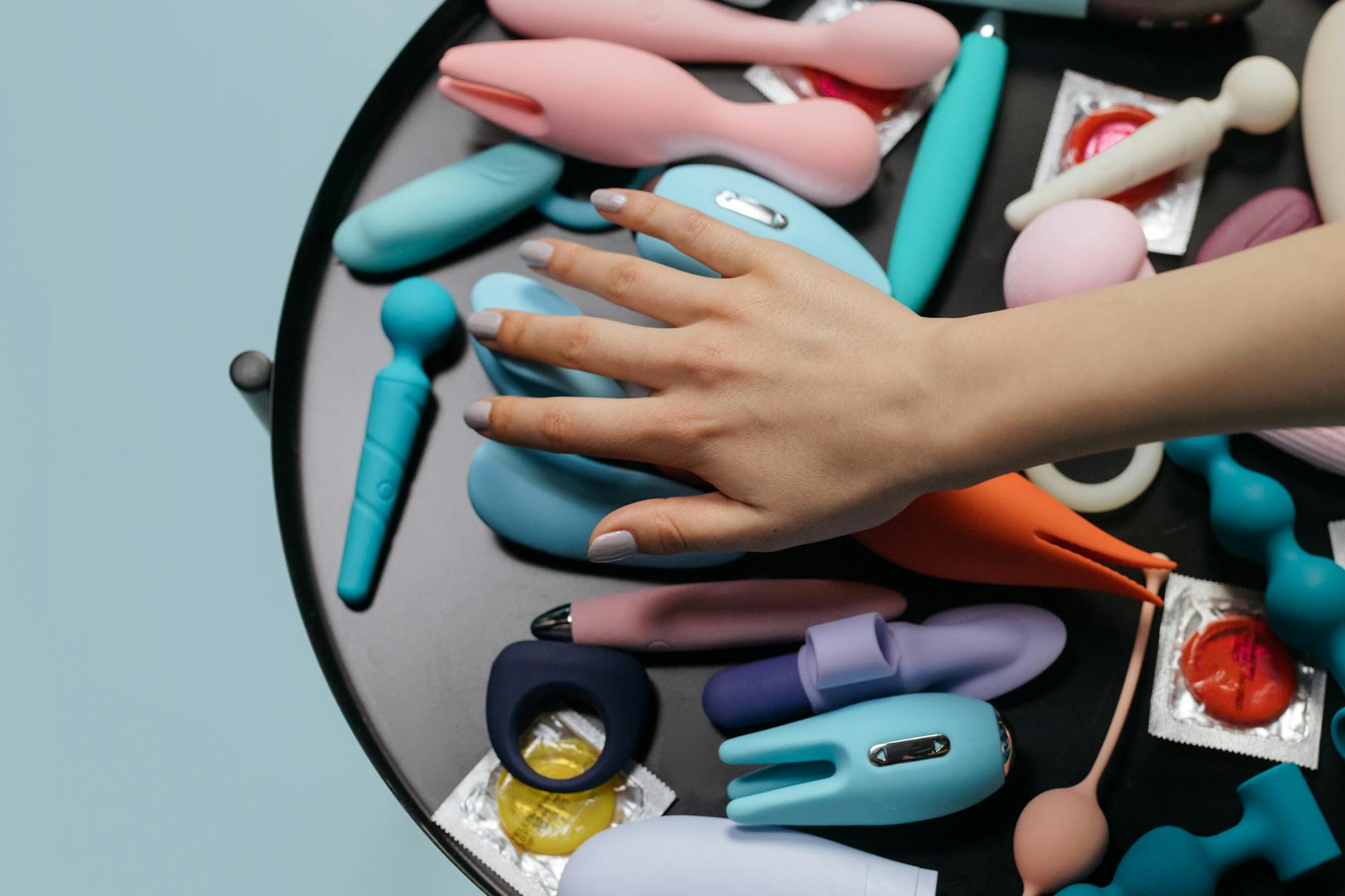
Photo by cottonbro studio on Pexels
Sensations that feel safe (and why)
After trauma, certain types of touch can feel more or less activating.
Direct penetration often feels too vulnerable early on because it mimics the original violation. Air-suction vibrators like the Lem work differently. The sensation is concentrated on the clitoris, pressure-based rather than insertion-based, and you control the exact position and intensity. Neurologically, it feels different from partner touch, which can actually make it feel safer because your nervous system doesn't group it with the original trauma.
Many people I work with find that starting with the vibrator takes the pressure off penetration entirely. You get orgasmic pleasure, your partner gets to participate in your pleasure, and nobody's body is being asked to tolerate something it's not ready for yet. That's not settling. That's smart.
Warm-up time matters too. If you move directly from "let's have sex" to using the vibrator, your nervous system stays braced. Spend 15-20 minutes talking, touching each other's hands, maybe kissing. Let your parasympathetic nervous system know it's safe. Then introduce the vibrator.
What happens if it doesn't feel good
Sometimes your body will say no. You'll be using the vibrator, your partner will be present, and suddenly your nervous system will activate. You might feel numbness, or pain, or panic.
This is information, not failure.
Stop. Pause the vibrator. Tell your partner what you noticed. This doesn't mean you're broken or that recovery isn't working. It means something about that moment triggered protection. Maybe it was the pattern. Maybe it was something they said. Maybe it was their position in the room. These details matter.
The conversation after is more important than the sex during. "When you moved closer, I felt unsafe" tells your partner something crucial. "I need to stop, and I'm glad we're doing this together" reaffirms that the goal is shared healing, not performance.
If this keeps happening, talking to a trauma-informed sex therapist becomes essential. Some nervous systems need more support than a vibrator and communication alone can provide. That's not a sign to give up. It's a sign to get specialized help.
Building back to partnered pleasure
Healing isn't about rushing back to "normal" sex.
It's about expanding what pleasure is available to you. Over time, as you rebuild agency and your nervous system learns that your body is safe, you might find that you want more touch. You might want your partner inside you. You might discover positions or types of connection that feel genuinely good, not just tolerable.
The lemon vibrator stays in this picture not as a band-aid, but as part of what you like. Many people who've used them say that even after their nervous system fully heals, they keep the vibrator in their intimate life because it delivers a type of pleasure that partnered touch alone doesn't. That's not a substitution. That's integration.
When to bring in professional support
You can do a lot of this work together. A strong relationship, clear communication, and patience go a long way.
But trauma recovery often needs a professional who understands both the neurobiology of trauma and sexual healing. A trauma-informed therapist or a sex therapist trained in trauma response can help you navigate the moments when your nervous system gets stuck. They can also help your partner understand what's happening so they don't personalize your body's reactions.
If flashbacks are intense, if numbness is complete, or if your partner's reactions are making things harder, getting support isn't a detour. It's part of the path.
People Also Ask
Is it normal to feel nothing when using a vibrator after sexual trauma?
Completely normal. Trauma can create numbness as a protection mechanism. Your nervous system is blocking sensation because sensation felt dangerous at some point. A good therapist can help rewire this over time. The vibrator provides tactile input, but the real work is teaching your nervous system that sensation is safe again. This usually takes time and often needs professional guidance.
Can my partner use the vibrator on me if I have PTSD related to sex?
Yes, but only with your explicit permission each time and only in the ways you've practiced and felt safe with. The key is that you're directing it. "You can hold it here at this pattern while I control the intensity" is different from "do whatever you think feels good." After sexual trauma, the illusion of control can matter as much as actual control. Your partner following your exact instructions rebuilds trust.
What if my partner pressures me to move faster than I'm comfortable with?
That's a sign the relationship has some deeper work to do, possibly with a couples therapist. Healing from sexual trauma requires your partner to prioritize your safety over their own desire for "normal" sex. If they can't do that, you might need to make some hard decisions about whether this partnership supports your recovery.
How long does it usually take to rebuild sexual pleasure after trauma?
It varies wildly. Some people find their way back in months. Others take years. Your history, your partner's responsiveness, your access to therapy, and your own nervous system all play a role. The goal isn't speed. It's durability. Taking the time to rebuild pleasure in a way that feels genuinely safe usually leads to more lasting intimacy than rushing.
Can a lemon vibrator replace therapy for sexual trauma?
No. A vibrator is a tool that can support healing alongside therapy, not instead of it. Trauma recovery involves rewiring your nervous system's protective responses. That requires professional support. What the Lem can do is give you a concrete way to practice agency and build positive associations with pleasure while you're doing the deeper work.
What if I'm not ready to involve my partner yet?
That's fine. Exploring solo with a vibrator is a completely legitimate way to start rebuilding your relationship with pleasure. There's no timeline that says you have to partner-share. Some people find that solo exploration gives them enough confidence and data that partnered sex becomes possible later. Others find that solo pleasure is enough, and that's valid too.
The long view
Recovering from sexual trauma while staying in a relationship is harder than recovering alone because it requires two people to change simultaneously. You're healing from what happened. Your partner is learning to see sex differently because you're redefining what it means. That's complex work.
What a tool like the lemon vibrator does is give you something concrete to reach for in that process. It's not a magic solution. But it's a way to practice the core skill of healing: choosing your own pleasure, on your own terms, with someone you trust nearby. Do that enough times, and your nervous system starts to believe it. That belief is where real recovery begins.
If you're working through this right now, reach out to a trauma-informed therapist who specializes in sexual healing. And be patient with yourself. Your body learned to protect you. Teaching it to open again takes time. You deserve that time, and you deserve support getting there.