Here's the thing about rushed foreplay
When intimacy feels like it's on a timer, pleasure doesn't stand a chance. Your nervous system can sense the rush. Arousal stalls. Your partner senses that stall and speeds up even more. Then everyone's frustrated, and nobody's actually satisfied. This is a pattern I see constantly in couples therapy, and it's fixable.
Lemon vibrators change this dynamic entirely, but only if you use them strategically. They work best when they're a permission structure. Permission to slow down. Permission to prioritize sensation over performance. Permission to take exactly as long as you need.
Why rushing kills arousal (the neuroscience part)
Arousal isn't a light switch you flip. It's more like a dimmer that responds to safety, attention, and time. When your brain detects pressure (a partner checking the clock, someone rushing their breathing, the feeling of being watched for results), your sympathetic nervous system activates. That's fight-or-flight mode. You cannot be in fight-or-flight and genuinely aroused at the same time. Your body won't let you.
Lemon vibrators interrupt this pattern because they give you something to focus on besides your partner's pace or expectations. The sensation anchors you in your own body, not in performance metrics. The suction stimulation they provide engages your nervous system differently than pressure-based vibration. It's gentler, more sustained, and easier to stay present with.
The permission framework: how to set it up
Before you even introduce the toy, have a conversation with your partner. Not during sex. Before. Over coffee. The conversation is simple: "I want to slow down our foreplay. I want to take my time. I'm thinking about using a vibrator to help me stay present and not worry about timing."
That sentence does several things at once. It names the problem without blaming them. It frames the toy as something for you, not as a comment on their performance. And it makes it clear that you're driving the timeline, not the other way around.
Then, set a specific boundary. "I need at least 20 minutes of foreplay before anything else happens." Or 30. Or 45. Whatever number makes you feel safe and excited, not rushed. Once that's named, stick to it.
How to introduce the vibrator without it feeling clinical
Don't lead with the toy. Lead with touch. Spend five to ten minutes just kissing, skin-to-skin contact, slow exploration. Let your nervous system settle. Then, when you're genuinely warming up (not rushing to the next stage), introduce the vibrator naturally.
"I want to use this now" is enough. You don't need to explain or apologize. Hand it over, turn it on, and let your partner watch how you respond to it. Most partners find this incredibly hot. Watching someone experience genuine pleasure is magnetic.
Start on the lowest setting. Let the sensation build slowly. Your partner can keep touching you elsewhere. Your partner can watch. Your partner can ask what feels good. This isn't about them disappearing. It's about you taking the lead on your own pleasure timeline.
The pacing that actually works
Here's a rhythm that removes pressure entirely. Spend 15-20 minutes on foreplay with the lemon vibrator at low settings. Don't rush toward anything. Just explore what feels good. Notice sensations. Your partner's role is to be present and responsive, not to move things along.
If you want to transition to partnered sex, do it when you're genuinely ready, not when you think it's "time." You might need another five minutes. You might decide you're satisfied with just this. Both are completely fine. The whole point is that your pleasure dictates the timeline, not some invisible script.
If your partner is used to a faster pace, this might feel slow to them at first. It won't stay that way. Once they see how much more present and genuinely aroused you become, they'll usually find it way more rewarding than rushing.
What to do if your partner resists slowing down
Listen, if someone is actively resistant to you taking your time, that's information. Not judgment. Just information. And it might point to a bigger dynamic that needs addressing beyond the bedroom.
A partner who respects you will adjust their pace when you ask them to. If they won't, or if they make you feel guilty for needing more time, that's worth exploring in couples therapy. I say this gently but directly. Sexual incompatibility often looks like pace incompatibility, and it's one of the most common things couples come to me about.
If you're with someone reasonable, they'll understand that lemon vibrators give you agency. They're not a threat to them. They're a tool that helps you access pleasure more reliably.
Common obstacles and how to move past them
Your brain might argue that you're being "selfish" for taking this long. You're not. Your pleasure is not selfish. It's essential. If your partner enjoys sex more when you're actually aroused, then prioritizing your arousal is literally in their interest too.
You might feel self-conscious using a vibrator in front of someone. That feeling usually passes after the first or second time. Your nervous system realizes there's no judgment coming, and you relax. If self-consciousness persists, you can use the vibrator solo first, get comfortable with the sensation, then introduce it to partnered moments later.
Your partner might want to use the vibrator on you instead of watching you use it yourself. That's fine too. The key is that the pace stays slow and you're genuinely in control of when and how it's used.

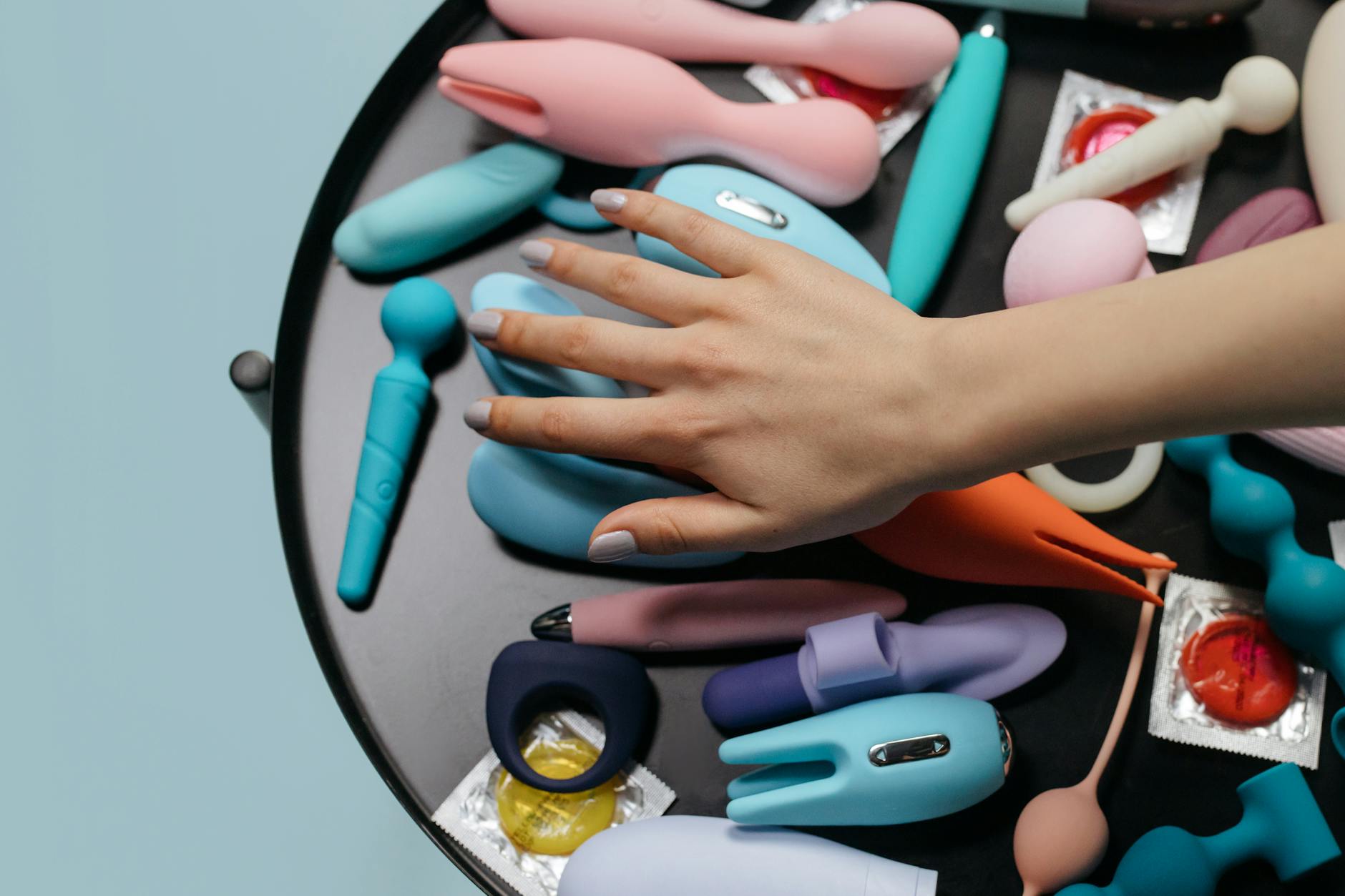
Photo by cottonbro studio on Pexels
How this changes the overall dynamic
Once you establish that foreplay can be slow and pleasure-focused, something shifts. Your partner gets to see you genuinely aroused. You get to experience arousal without performance anxiety. Both of you end up more satisfied. And importantly, you've modeled that you deserve to have your needs met. That becomes the new baseline.
Many couples tell me that introducing a vibrator for this purpose actually deepened their intimacy. It wasn't less intimate. It was more intimate because there was less pressure and more actual presence. When someone stops performing and just experiences, that's when real connection happens.
A lemon vibrator is just a tool. But the real shift is internal. You're choosing your own timeline. You're prioritizing sensation over speed. You're insisting on pleasure, not just participation.
Quick setup checklist
Before your next intimate moment with a partner:
- Have the "I want to slow down" conversation outside the bedroom
- Set a minimum foreplay timeline (20-45 minutes) and name it
- Charge or check your vibrator battery
- Keep water-based lube nearby (lemon vibrators work best with it)
- Decide if you want to use the toy solo first or go straight to partnered use
- Let your partner know you'll use it at your own pace, no rush
That's genuinely all you need. Everything else unfolds naturally once you remove the time pressure.
FAQ
Why does using a vibrator help with rushed foreplay?
Vibrators give you something concrete to focus on besides your partner's pace or expectations. The sensation of a lemon vibrator anchors you in your own body and helps your nervous system stay in pleasure mode rather than performance mode. It also signals to your partner that you're taking your time intentionally, which usually slows them down naturally.
Can I use a lemon vibrator if I've never used one before during partnered sex?
Absolutely. Start with solo use first if you want to get comfortable with the sensation. Then introduce it during partnered foreplay. You don't need a big explanation. "I want to try this now" is all you need to say. Most partners find watching someone experience pleasure incredibly attractive.
What if my partner feels threatened or left out when I use a vibrator?
That's a conversation worth having. Reframe it. A vibrator isn't replacing them. It's helping you access pleasure more reliably, which actually benefits both of you. If they're still resistant after you explain, that might point to a deeper insecurity worth addressing together in couples counseling.
How long should foreplay last if I'm using a lemon vibrator?
There's no magic number. Some people need 15 minutes. Some need 45. The point is that you decide, and you communicate it. Once your partner knows the timeline, they can relax into it instead of guessing or rushing you.
Can I use a lemon vibrator if my partner and I have very different arousal paces?
Yes. This is actually one of the most common reasons people benefit from vibrators. If you're slower to warm up, the vibrator helps you reach arousal faster and more reliably. That synchronizes you better with a faster partner without either of you compromising.
What if the vibrator itself feels like another performance pressure?
Then take a break from it. Pressure around pleasure is still pressure. The tool should feel liberating, not obligatory. You can always come back to it. In the meantime, stick with the "slowing down foreplay" conversation and just use touch. The vibrator isn't the solution. Your willingness to take your time is.
The real shift
Foreplay feels rushed because you've been letting someone else's timeline dictate your pleasure. A lemon vibrator doesn't fix that directly. What fixes it is you deciding that your arousal matters as much as anyone else's satisfaction. The vibrator just makes that decision visible and easier to sustain.
If this resonates and you're struggling with deeper patterns around pace, pressure, or intimacy, reach out. This is exactly the kind of dynamic couples therapy addresses. You deserve pleasure on your own timeline, not someone else's clock.
Ready to reclaim your pace? Start the conversation. Then start slow. Everything else follows from there.