Let's start with what nobody tells you
Pelvic pain and pleasure aren't opposites. That's the lie you've probably been told, and it's keeping you stuck. Pelvic pain conditions—whether endometriosis, vulvodynia, vaginismus, or pelvic floor dysfunction—are common, treatable, and absolutely compatible with a rich sexual life. The trick is knowing how to approach pleasure differently, not abandoning it.
Lemon vibrators are specifically designed for this. The suction-based stimulation works differently than traditional vibrators, which matters enormously when you're dealing with pelvic pain.
Why traditional vibrators often make pelvic pain worse
Most vibrators work through direct rhythmic pressure or friction against tissue. If you have vulvodynia (burning or rawness), endometriosis (deep pain), or a hypertonic pelvic floor (muscles locked in constant tension), that kind of stimulation can trigger pain or make tightness worse.
You end up in a cycle where you try to have pleasure, pain shows up, and your nervous system learns to brace against sexual touch. That's not failure. That's a protective mechanism doing exactly what it's supposed to do.
Lemon clitoral vibrators change this equation. They use air-pulse suction—a gentler, broader stimulation pattern that doesn't rely on penetration, pressure, or friction. This matters because it means you're not triggering the same pain pathways.
The neuroscience part (no jargon, just useful)
When you have chronic pelvic pain, your nervous system is hypervigilant. It's scanning for threat. The slightest pressure in the wrong spot and it tells your muscles to tighten. That's not psychological. It's neurobiology.
Suction-based stimulation works with your nervous system rather than against it. The sensation is diffuse and rhythmic rather than sharp and localized. That rhythm can actually help reset the pelvic floor from a state of holding into a state of release.
I've worked with clients who thought pleasure was completely off the table. Once they found the right approach—usually a lemon vibrator at the lowest setting with plenty of time to acclimate—they described it as the first time in years their body felt safe to respond.
Starting with lemon vibrators if you have active pelvic pain
Know what condition you're managing. If you haven't been diagnosed, start there. Vulvodynia is treated differently than endometriosis-related pain, and vaginismus requires different preparation than vestibulodynia. Work with a pelvic floor physical therapist or gynecologist who specializes in pain. They can guide you on what's safe for your specific situation.
Begin at the lowest setting. The Lem and similar lemon vibrators have multiple intensity levels. Start at pattern 1. Seriously. You can increase later. Right now your goal is to help your nervous system learn that this sensation is safe, not to chase an orgasm.
Use it externally only. If you have pelvic pain, penetration is often not the move. The beauty of lemon vibrators is they excel at external clitoral stimulation without requiring anything to happen inside.
Budget extra time. Arousal takes longer when your nervous system is protective. Give yourself 20-30 minutes of buildup before you even turn the device on. Warm up with touch, music, fantasy—whatever helps you feel safe and present.
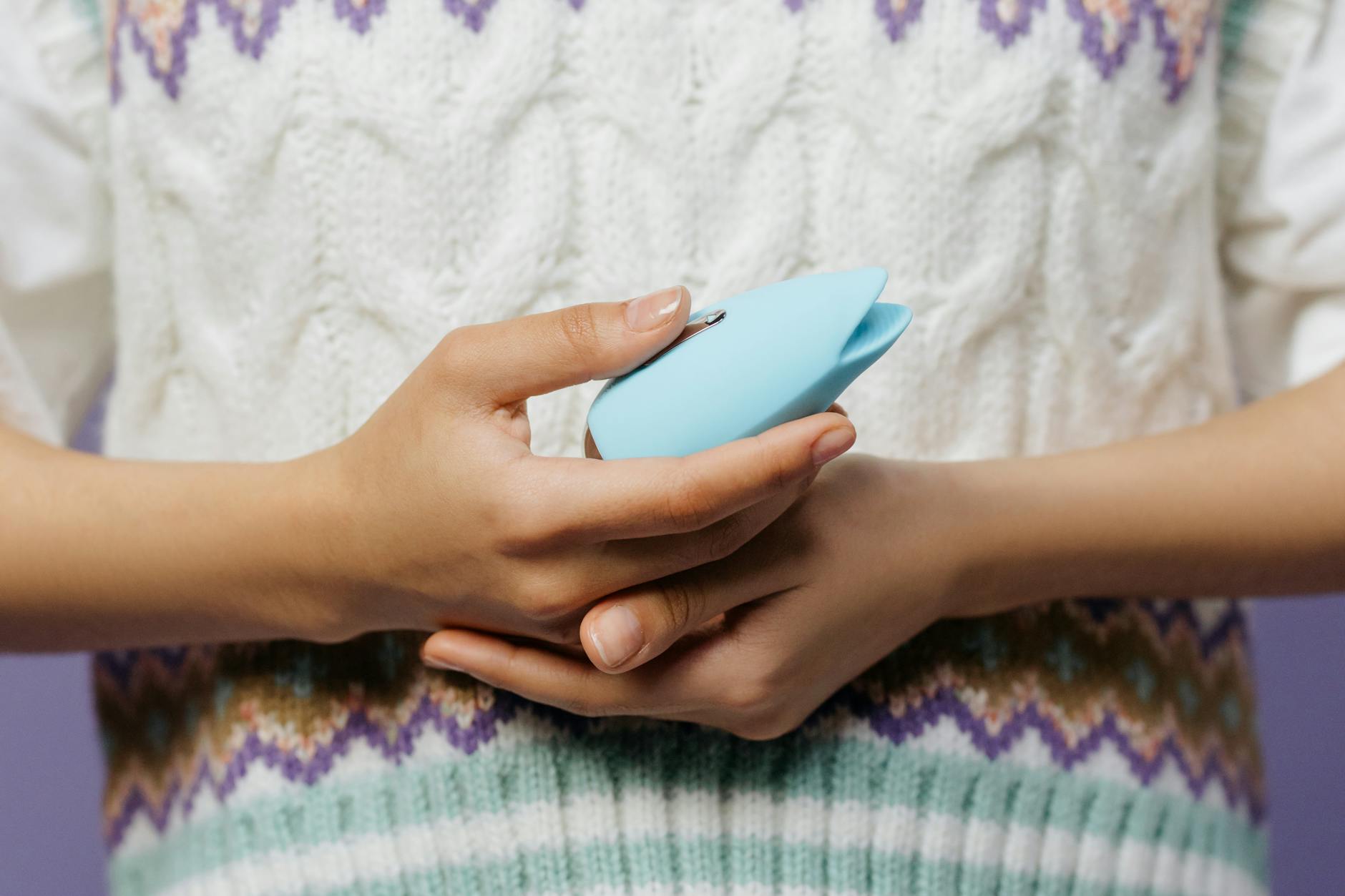
Photo by cottonbro studio on Pexels
The psychological piece nobody mentions
Pelvic pain often comes with a lot of grief. Grief about what sex used to feel like. Grief about spontaneity. Grief about feeling broken. That grief is real and it matters.
When you first use a lemon vibrator after months or years of avoiding pleasure because of pain, you might cry. You might feel anger. That's not a sign something's wrong. That's your nervous system beginning to trust that pleasure is possible again.
This is where a partner can help—or make things harder. If you have a partner, they need to understand this isn't about them. You're not avoiding them because you don't desire them. You're rebuilding a relationship with your own body. That takes time.
Better relationships survive this transition when both people get that distinction. Worse ones don't.
When to combine lemon vibrators with professional support
Here's the thing about pelvic pain: it responds really well to a combination approach. A lemon vibrator alone is useful. A lemon vibrator plus pelvic floor physical therapy plus pain-informed sex therapy? That's when things genuinely change.
Pelvic floor physical therapists teach you how to soften your muscles on purpose rather than staying locked in protection mode. Sex therapists who understand pain help you separate the sensations of arousal from the memory of pain. Together, they create a framework where lemon vibrators become part of your healing, not a workaround.
If you're dealing with endometriosis or similar conditions with a deep-pain component, you might also benefit from topical treatments or other medical support. Talk to your doctor about what's safe to combine with vibrator use.
Building back sensation gradually
Some people with pelvic pain describe numbness alongside the pain—like their body has shut down all sensation to protect itself. That's also normal. Pleasure rebuilds in layers.
Week one: you use the lemon vibrator and feel almost nothing. That's okay. Your nervous system is learning that this is safe.
Week two: you start feeling a subtle warmth or tingling.
Week three or four: actual pleasure registers.
Sensation doesn't come back on a predictable timeline. Some people reconnect within weeks. Others take months. Neither pace is wrong. You're rewiring your nervous system's relationship with pleasure. That takes patience.
Partners and pelvic pain (the conversation that matters)
If you're in a relationship, your partner might feel confused, rejected, or worried. That's understandable. They might think a lemon vibrator is a replacement for them, or they might think you're giving up on sex with them.
Neither is true. You're adapting. You're saying "my body needs to heal, and this tool helps that happen." A partner who loves you wants you to have pleasure, even if the path looks different than expected.
The best approach is direct: "I'm working with my pelvic pain. Using a lemon vibrator helps me reconnect with pleasure without triggering pain. This isn't about you. I still want intimacy with you. I just need to rebuild this part of myself first."
If a partner refuses to support this, that's information about the relationship, not about you.
The difference between pelvic pain and regular sensitivity
You might be wondering: do I have pelvic pain, or am I just sensitive? Fair question. Here's the distinction I use clinically.
Regular sensitivity means certain pressures feel intense, but they don't hurt. They might feel too much, but not painful. You can usually adjust by using lower intensity, more lubrication, or different positioning, and the sensation becomes manageable.
Pelvic pain means actual hurt happens. Sharp, burning, aching, or persistent discomfort during or after sexual touch. Pain that doesn't resolve with lube or position changes. Pain that makes you tighten up automatically.
If you have real pelvic pain, a lemon vibrator is more likely to help than a traditional vibrator. If you have sensitivity without pain, both can work—it just depends on what feels good to you.
Real talk: when to back off
Sometimes you'll use a lemon vibrator and it will trigger a pain flare. That's information. It doesn't mean you failed. It means that particular moment, that particular level of intensity, or that particular day wasn't right.
Back off. Try again tomorrow at a lower intensity. Try again the day after that. There's no deadline.
If using a lemon vibrator consistently triggers pain even at the lowest setting, stop and check in with a pelvic floor therapist. You might need different preparation, different positioning, or a different tool altogether. Your body is the expert here.
FAQ: Lemon vibrators and pelvic pain
Will using a lemon vibrator make my pelvic pain worse?
If you use it carefully—starting at the lowest intensity, going slowly, and respecting your body's signals—it's unlikely. Most people find that suction-based stimulation is gentler than traditional vibrators. But if it consistently triggers pain, back off and consult your pelvic floor therapist. Some pain conditions respond better to other approaches.
Can I use a lemon vibrator if I have endometriosis?
Many people with endometriosis find lemon vibrators helpful, especially for external-only use. Endometriosis pain is often triggered by deep pressure or penetration, so the broad, external stimulation of a lemon clitoral vibrator can feel safer. That said, severity varies. Work with a pelvic pain specialist who knows your history.
How long until a lemon vibrator stops hurting and starts feeling good?
There's no universal timeline. Some people feel pleasure within a few uses. Others take weeks or months for their nervous system to trust that pleasure is safe again. That's not slow progress. That's healing.
Is it okay to use a lemon vibrator if I have vaginismus?
Vaginismus involves involuntary muscle tightening, often triggered by perceived threat of penetration. Since lemon vibrators work externally without penetration, they can be a safe starting point. But vaginismus typically needs professional support to address the root cause. Use the vibrator as part of a broader treatment plan with a sex therapist.
Can my partner use a lemon vibrator on me if I have pelvic pain?
Absolutely. Some people find it easier to relax when a partner is involved in a low-pressure, pleasure-focused way. What matters is communication. Tell them exactly what pressure feels good, what doesn't, and what to do if you need to pause. This builds trust and helps your nervous system stay regulated.
Will a lemon vibrator desensitize me even if I have pelvic pain?
Numbness is already a symptom of many pelvic pain conditions, so vibrator use isn't introducing new numbness. In fact, the gradual rewiring that happens with gentle, consistent stimulation often helps rebuild sensation over time. The risk of desensitization is lower with suction-based vibrators than with traditional vibrators anyway.
The bottom line
Pelvic pain is real. It's also not permanent, and it doesn't mean the end of pleasure. A lemon vibrator isn't a miracle cure, but it's a genuinely useful tool for people rebuilding their relationship with sexuality after pain. Pair it with professional support—a pelvic floor therapist, pain-informed sex therapist, or both—and you have a solid pathway back.
Your pleasure matters. Your body matters. And you deserve to experience both, on your own timeline, without shame or pressure.
Ready to start exploring? Check out our FAQs for more specifics about using Mylem Clit Toy products, or reach out with questions about what might work best for your situation.