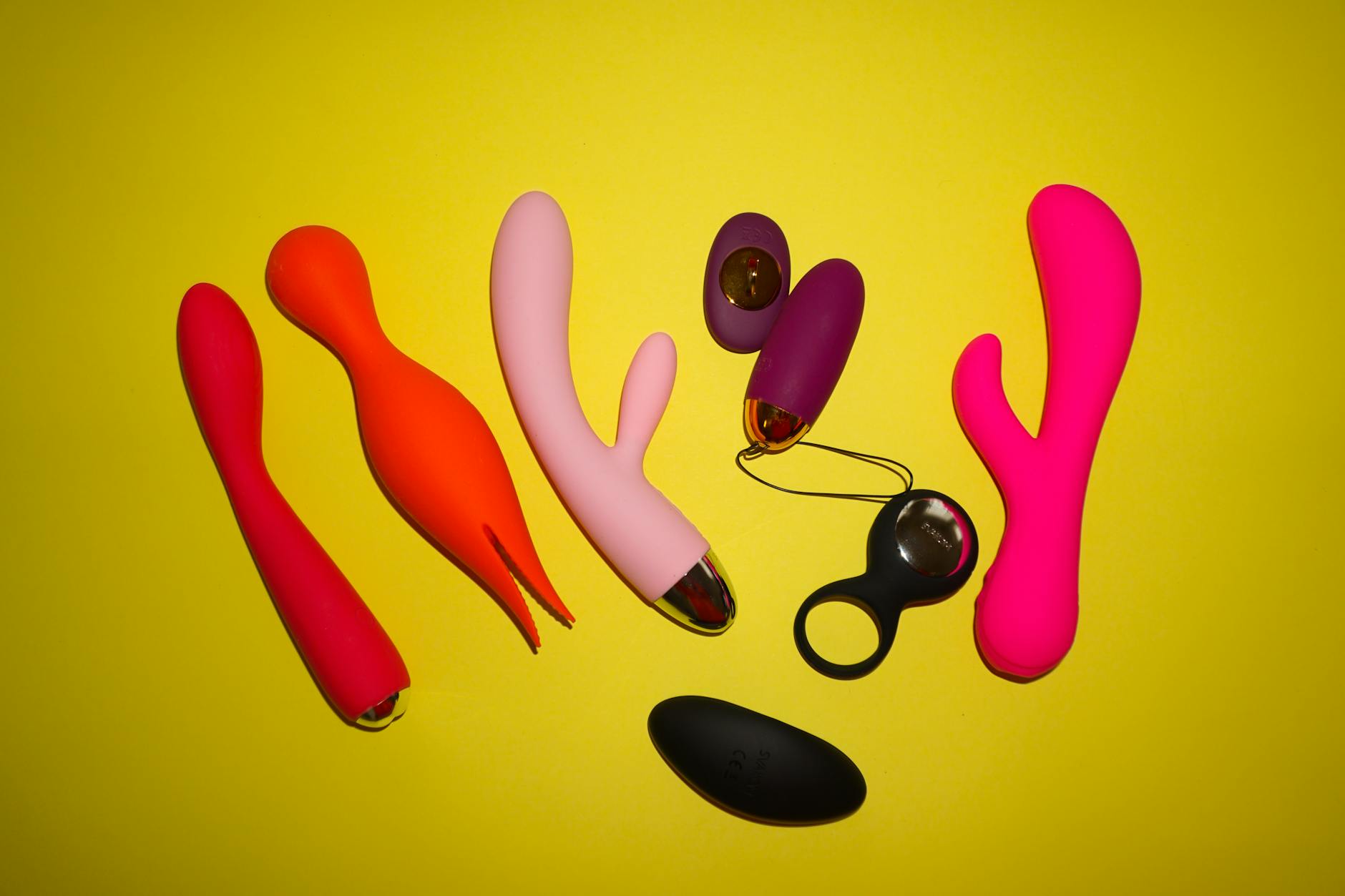
Here's what nobody tells you about your cycle and pleasure
Your clitoris doesn't respond the same way on day 5 of your cycle as it does on day 20. That's not failure, sensitivity loss, or anything wrong with you. It's physiology. Arousal, sensitivity, lubrication, and orgasm speed all shift as estrogen and progesterone move through their monthly rhythm. If you've ever felt like a lemon vibrator worked perfectly one week and felt muted the next, you weren't imagining it.
The problem is that most advice treats your pleasure like it should be a constant. It doesn't have to be. Instead of fighting your cycle, you can work with it. Adjusting how you use lemon vibrators across different phases means actual pleasure consistency, not white-knuckling through the same pattern when your body's asking for something different.
Let me walk you through the phases and what actually helps.
The follicular phase and quick responsiveness
The follicular phase runs from day 1 through ovulation (roughly day 14, but everyone's different). Estrogen is rising. Your clitoris becomes more sensitive, lubrication is generally better, and arousal builds faster.
This is the phase where a lot of people find they need less warm-up time. If you usually spend 20 minutes building to sensation, you might only need 10 here. Your clitoral glans might be more plump due to increased blood flow, which means direct stimulation from a lemon vibrator can feel more intense, faster.
The adjustment: Try starting at a lower intensity setting on your lemon vibrator than you might at other times. Patterns 1 or 2 on most devices can feel like pattern 4 during follicular. You'll actually get more pleasure with less effort, which sounds great until you realize you're chasing numbness if you stay at high intensity. Keep the intensity moderate and let your arousal build with the rhythm instead of overriding it.
Lubrication is usually on your side here, so water-based lube is optional unless you prefer the feel. Some people find that lube during high-estrogen phases mutes sensation slightly. Worth experimenting with.
Ovulation week and peak sensitivity
Ovulation happens around day 14, give or take, and the window around it is called the fertile window (it's usually 5 days before ovulation through ovulation day itself). This is peak estrogen. Everything is more sensitive. Your skin, your emotions, your clitoris.
During ovulation, many people find that even gentle, slow patterns feel intense. This is not the week to chase the fastest settings on your lemon vibrator. You'll desensitize fast or feel overstimulated. Your body is literally preparing for sex with maximum sensitivity to encourage it.
What helps: longer sessions at lower intensity. Use patterns that emphasize rhythm over power. If your lemon vibrator has a wave or pulse pattern, that often feels better than steady buzzing at this point. The rhythm gives your clitoris time to respond without overwhelming the nerve endings.
You'll also probably orgasm faster during this phase. That's normal and good. Don't extend sessions trying to match your follicular phase pace. Different phases, different speeds.
The luteal phase and the patience shift
Day 15 through day 28 is the luteal phase. Progesterone rises, estrogen dips slightly, then rises again. Sensitivity is lower than the follicular phase. Lubrication decreases. Arousal takes longer to build.
This is the phase where people often feel frustrated with their toys because "they used to work better." They did. Your body is responding differently, not broken.
Here's what the research on pleasure and cycle shows: during the luteal phase, people generally need longer warm-up, higher intensity to reach the same sensation threshold, and sustained rhythm to stay engaged. A lemon vibrator that felt perfect during ovulation will feel gentler now. That's accurate.
What to adjust: Increase your warm-up time to 20-25 minutes if you're used to 10-15. Use medium to higher intensity settings. Allow the session itself to be longer. You're not being greedy; you're matching your body's actual needs right now. Many people find that layering sensations helps in the luteal phase. Try combining your lemon vibrator with fantasy or external sensation (a partner, a different toy) to build arousal depth instead of just clitoral intensity.
Lubrication is important here. Progesterone naturally reduces vaginal fluid, so applying a water-based lube brings back comfort and also increases sensation. It's not a sign something's wrong. It's a support.
Menstruation and a third option
During menstruation, you're at the lowest point of estrogen. Your cervix is lower. Your clitoris might feel less responsive. Some people can orgasm easily during their period; others find it harder or have no interest, and both are normal.
A lot of people don't use lemon vibrators during their period, and that's completely fine. But if you want to, here's what helps: warmth makes a big difference. Some people find that using a lemon vibrator after a warm bath or with a heating pad on their lower abdomen changes the experience. The physical warmth increases blood flow and sensitivity.
Intensity needs are lower. Use gentler patterns. Focus on teasing and slow building rather than pushing toward orgasm. The phase is short, so there's no need to force it.
The clitoris also sits lower in the pelvis during menstruation due to natural anatomical shifts, so the angle of stimulation matters more. A lemon vibrator that works one week might need a slight angle adjustment the next.
Tracking what actually happens in your body
Here's the thing about cycle syncing: the internet is full of charts telling you exactly what to do on each day. Your body might not care. Track what actually happens to you across three months. Write down:
When do you feel most sensitive? When does arousal take longest to build? When is orgasm easiest? When do you need the most lube? When do different vibrator intensities feel best?
Not everyone's cycle is 28 days. Not everyone has the same hormone response. The chart is a starting point, not a prescription.
Managing expectations around consistency
The goal isn't to make your pleasure identical across your cycle. That's fighting biology. The goal is to make your pleasure good at every phase by adjusting your approach.
During high-estrogen phases, your experience will be faster, more sensitive, easier to reach. During low-estrogen phases, it'll take longer and need more fuel. Both are valuable. They're just different.
When you stop trying to get the same result every time and instead adapt your lemon vibrator technique to what your body needs right now, pleasure becomes consistent in the way that matters: you finish satisfied.
Common questions about cycles and lemon vibrators
Does using a lemon vibrator at different intensities across your cycle damage the nerves?
No. Your clitoris has roughly 8,000 nerve endings, and they respond differently based on hormone levels. That's not damage. Adjusting intensity to match your cycle is actually smarter than using the same setting all month, which can lead to frustration or overstimulation during sensitive phases.
Can I use a lemon vibrator during my period if I have cramps?
Yes, if you want to. Orgasms actually release endorphins and relax the uterus, which can ease cramping. Some people find that using a lemon vibrator helps with period pain. The key is listening to your body. If it feels good, go ahead. If cramping is severe, rest is fine too.
Does cycle syncing with a lemon vibrator work if I'm on hormonal birth control?
It's complicated. If you take continuous or extended-cycle birth control (like some formulations), you might not have a typical hormone cycle at all. If you take regular pill packs with a placebo week, you'll have a lighter cycle of hormonal shifts. Tracking your actual response over time matters more than following a chart.
Why does my lemon vibrator feel amazing one week and kind of blah the next?
Hormone shifts change blood flow to your clitoris, tissue thickness, and nerve sensitivity. The vibrator isn't less effective. Your body's response is different. Adjusting intensity, warm-up time, and lube usually solves this.
If my cycle is irregular, should I bother tracking these phases?
Yes, but approach it differently. Instead of tracking by calendar day, track by sensation. When you notice arousal feels different, note it. This gives you real data about your body's actual rhythm instead of assuming a standard cycle.
How long does it take to figure out my cycle pattern with a lemon vibrator?
Three cycles minimum. One month of data is chance. Three months shows the real pattern. After that, you'll know what to expect and how to adjust.
The actual takeaway
Your cycle isn't a bug in your pleasure system. It's the operating system. Lemon vibrators work differently at different phases not because they're inconsistent, but because your body is responding to real hormonal shifts.
The people who feel most consistently satisfied aren't the ones fighting this reality. They're the ones who adapted their technique to match their cycle. More warm-up here, higher intensity there, longer sessions during certain phases, shorter others.
Spend a few months tracking what actually happens in your body. Adjust your lemon vibrator use to match. Watch what changes.
If you're looking for more personalized guidance, reach out. We're here to help you build a pleasure practice that works for you, not against you.