
The numbness trap nobody talks about
Let's be real. If you've been using a lemon clitoral vibrator regularly, you've probably noticed something frustrating: the first few times hit differently than session number ten. The sensation feels distant. You're chasing the same intensity that used to arrive fast, and now it's taking longer, or it doesn't show up at all. You start wondering if your body's broken, or if you've somehow "used up" your sensitivity.
You haven't. What's happened is far more fixable.
Why deep clitoral stimulation leads to temporary numbness
Your clitoris has around 8,000 nerve endings packed into a structure smaller than a pea. That density is the whole reason vibration feels so good. But it's also why sustained high-intensity stimulation can trigger a protective response called habituation. Your nervous system adapts to constant input and stops firing as vigorously. It's the same reason you stop noticing a background noise after a while.
This isn't desensitization in the permanent sense. You're not damaged. You're experiencing a completely normal physiological response that happens with any repetitive stimulus, whether it's a lemon vibrator, a partner's touch, or anything else. The good news? You can work around it entirely.
The mistake most people make is assuming "more intensity" is the answer. It isn't. Intensity actually accelerates numbness. What restores and sustains sensation is pattern variation and strategic recovery time.
The rhythm strategy that keeps sensation alive
Here's what works. Instead of running your lemon vibrator at the same setting for a long session, treat it like a conversation. You talk, then listen. You advance, then retreat. Your nervous system stays engaged because it can't predict what's coming.
Start at a medium intensity (3-4 on a 5-point scale if your device has one). Spend 2-3 minutes here, building arousal. Then step back. Not off entirely, but down to pattern 1 or 2, or just rest for 30-60 seconds while keeping the toy in place but not moving. This break sends a signal to your nervous system that stimulation isn't constant. When you return to higher intensity, sensation feels fresh again.
Repeat this cycle. Build for a few minutes, dial back, recover, build again. Most people report that this rhythm—which I call the rise and rest pattern—keeps sensation sharp for 20-40 minute sessions, whereas constant high intensity flattens feeling after 10-15 minutes.
Why placement variation matters more than you think
The clitoris has different zones of sensitivity. The glans (the visible tip) is packed with nerves, but so is the hood and the areas around it. If you keep your lemon clitoral vibrator focused on exactly the same spot every time, that spot habituates fastest. The solution is dead simple: move.
Rotate where on the clitoris the vibrator focuses. Top, sides, underneath the hood, around the vulva. You don't need to move much—an inch or two counts. This way, no single cluster of nerve endings bears the full load. Different zones reset differently, so rotating stimulation site is like giving yourself built-in recovery without losing momentum.
People who rotate placement report that their sensation stays sharp for the entire session. People who stay locked onto one spot? They hit numbness in 15 minutes regardless of intensity level.
The cool-down principle (and when to use it)
If you've already hit that numb, distant feeling, the fix isn't to push harder. It's to stop, rest for 5-10 minutes with no stimulation, and then restart. Your nervous system resets surprisingly fast—way faster than most people expect. A genuinely short break can take you from numb back to sharp sensation.
But here's the distinction: if you're doing this every session, you're training your body to numb out because you're not respecting the rise and rest pattern while stimulation is still working. Prevention is easier than repair.
If you use lemon vibrators frequently (3-4 times a week or more), consider one full rest day per week where you skip clitoral toy use entirely. This isn't about "addiction" or any of that noise. It's about giving your nervous system genuine recovery time so sensation stays vivid. Athletes don't work the same muscles at max intensity seven days a week. Your clitoris appreciates the same logic.
Building intensity without losing sensation
Deep clitoral stimulation doesn't mean maximum setting. It means sustained, focused stimulation that builds over time. Many people confuse intensity with depth. You can get profound sensation at medium settings when you're patient enough to let arousal compound.
Start at pattern 1. Spend 5 minutes there. Move to pattern 2 for another 5. Pattern 3 for another 5. By the time you reach pattern 4, your body has been building steadily, and the sensation feels amplified not because the setting changed dramatically, but because your arousal has. This slow build keeps sensation alive and actually produces stronger orgasms than jumping straight to maximum.
This is also where lemon vibrators shine. The suction mechanism delivers focused sensation that doesn't require constant motion, so you can sustain a setting longer without numbness creeping in the way it does with traditional buzzers. If you're using clitoral vibrators for better sensation when recovering from pelvic floor dysfunction, this patience-based approach is especially valuable because it respects your body's actual capacity instead of pushing past it.
Managing sensation when you're approaching overstimulation
There's a line between numbness and overstimulation, and they feel completely different. Numbness is distance and flatness. Overstimulation is discomfort, rawness, or the feeling that your clitoris is too tender to touch. If you're hitting that line, you've gone past optimal range.
Back off immediately. Overstimulation doesn't resolve the way numbness does—rest helps, but pushing through it actually makes recovery slower. Your body's telling you it needs a gentler approach. Listen.
If overstimulation happens frequently, it might mean your lemon vibrator's intensity is too high for your body, or you're staying in high settings too long. Experiment with lower patterns. Vary placement more often. Use more lubrication if friction is involved. Most importantly, understand what your sensitivity baseline is when using lemon vibrators with other toys so you know when you're genuinely at your edge versus just uncomfortable.
The weekly reset that keeps sensation consistently good
If you're a regular user, structure matters. Here's a rhythm that works for most people:
Monday through Thursday: normal lemon vibrator use with the rise and rest pattern. Friday: extended session with more placement variation. Weekend: one full rest day, one moderate session. This creates natural cycles instead of a relentless grind.
Within each session, use that talk-listen structure. Build for a few minutes, recover for 30-60 seconds, build again. You'll find that sensation stays sharp for your whole session instead of fading after a few minutes.
The data's pretty clear: people who use this rhythm-based approach report that sensation stays vivid indefinitely. People who go straight for intensity get numbness fast and then spend months trying to "fix" it. The prevention is easier.
Why partner touch matters in the cycle
If you have a partner, varying between toy use and partner touch is genuinely one of the best ways to keep sensation sharp. Your body experiences partner touch and toy vibration as different sensory input. Alternating between them prevents the kind of habituation you'd get from doing only one thing.
This doesn't have to be complicated. A session might look like: start with your lemon vibrator using the rise and rest pattern for 15 minutes, then let your partner take over with fingers or oral for another 10 minutes. The shift resets your nervous system because the stimulation type changed. Sensation feels brand new even though only minutes have passed.
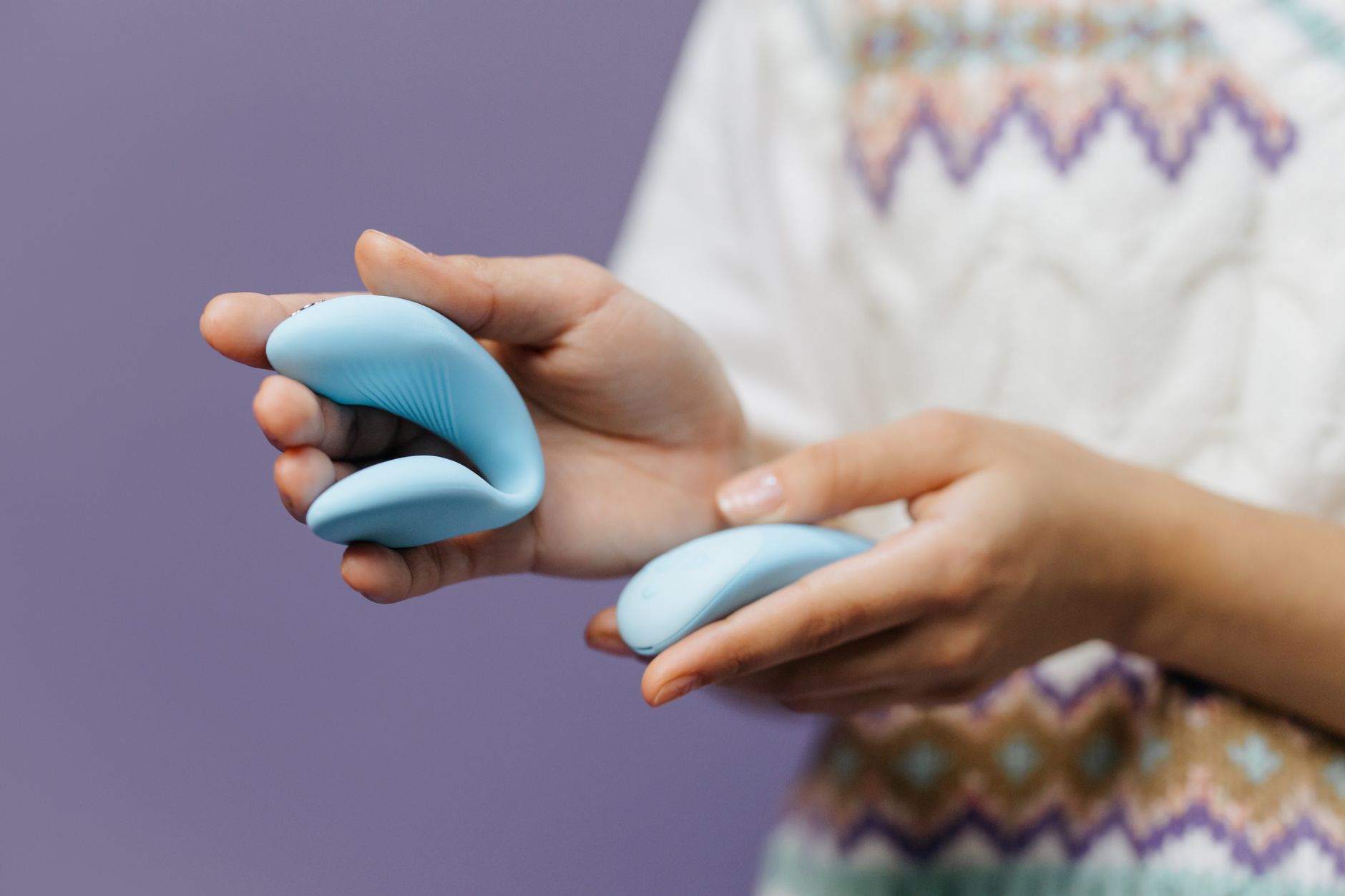
Photo by cottonbro studio on Pexels
If you don't have a partner, solo sessions benefit from the same principle: lemon vibrator, then switch to manual stimulation, then back. Your body responds to variety.
The recovery timeline if you've already hit numbness
If you're reading this because you've already experienced numbness, here's real expectations. If you stop using lemon vibrators entirely for 5-7 days, sensation bounces back completely in most cases. That's how fast your nervous system resets when given actual rest.
If you keep using vibrators but switch to the rise and rest pattern plus placement variation, sensation usually improves noticeably within 2-3 sessions as you stop triggering habituation. You might not get back to original sensitivity that fast, but you'll feel a clear difference.
The key is consistency. Your nervous system learns patterns. If you teach it that stimulation varies, it stays engaged. If you teach it that stimulation is relentless and one-note, it adapts by shutting down. Fortunately, you're in control of which pattern you create.
FAQ: Deep clitoral stimulation and sensation management
How long can I safely use a lemon vibrator in one session?
There's no fixed timer. Listen to your body. Most people find that 20-40 minutes with the rise and rest pattern keeps sensation sharp. If you're at high intensity the whole time, 10-15 minutes is your zone before numbness kicks in. If you notice sensation flattening, you've gone too long—stop, rest, and restart if you want to continue.
Can I use a lemon vibrator every day without damaging sensation?
Yes, if you're strategic about it. Daily use with the rise and rest pattern, placement variation, and one full rest day per week keeps sensation healthy for most people. Daily use at constant high intensity will erode sensation regardless. It's not about how often you use it—it's about how you use it.
Is numbness permanent if I've been using vibrators intensely for months?
No. Complete recovery usually takes 2-4 weeks of reduced use or the rise and rest pattern. Your nervous system is remarkably plastic. It adapts to overuse, but it also readapts when you change your approach. The longer you've been doing intense use, the longer recovery takes, but permanent damage from vibrator use is essentially unheard of.
Does the type of lemon vibrator matter for avoiding numbness?
Some designs matter more than others. Suction-based lemon vibrators like those from Mylem spread stimulation across a slightly larger area than traditional buzzers, which can reduce localized habituation. But the pattern of use—varying intensity, placement, and rhythm—matters far more than the device itself.
What's the difference between numbness and normal reduced sensation as you approach orgasm?
Right before orgasm, sensation sometimes feels paradoxically less intense even though you're very close. That's normal and not numbness. Numbness feels flat and distant throughout. Right-before-orgasm sensation feels almost muted but your body is clearly building toward release. They're different experiences. If you're unsure, take a quick break and see if sensation bounces back. If it does, you were fine. If it doesn't, you've hit numbness.
Can I use numbness-prevention techniques with a partner?
Absolutely. The rise and rest pattern works with partner touch exactly as it does solo. Intense for 2-3 minutes, ease back, recover, build again. Placement variation applies to anything—toy, fingers, mouth. The principle is the same regardless of who's holding the tool.
The real secret is rhythm, not restraint
The temptation is to think the answer to numbness is using your lemon vibrator less often or at lower settings. Sometimes that helps, but it's not the core fix. The core fix is building intelligence into how you use it. Vary rhythm. Rotate placement. Use the rise and rest pattern. Take strategic breaks within sessions. Let your body reset weekly.
Deep clitoral stimulation and sustained sensation aren't at odds. They coexist when you respect your nervous system's actual mechanics instead of fighting them. Your pleasure doesn't have to fade. It just has to be guided by biology, not brute force.