Pleasure after trauma isn't automatic. It requires intention.
Sexual trauma rewires how your nervous system responds to touch, sensation, and vulnerability. That rewiring doesn't disappear when you decide you're ready for pleasure again. It sits underneath every touch, every pause, every moment you need to stay in control. So when people ask me whether toys can help with healing, my answer is yes, but only if they're designed with trauma survivors' needs in mind.
Lemon suction vibrators, particularly the Lem, work differently than traditional vibrators. And for many trauma survivors, that difference is everything.
The neuroscience of why vibration can feel threatening
Trauma lives in the body as hypervigilance. Your nervous system learned that certain sensations mean danger, and it's doing exactly what it was trained to do: protect you by flagging threat.
Traditional vibrators deliver rapid, repetitive stimulation across a broad area. For some people, that's fine. For trauma survivors, especially those with a history of unwanted touching, that kind of overwhelming sensation can trigger the nervous system rather than calm it. Your body may jolt, tense up, or dissociate. You don't orgasm. You survive.
Suction works entirely differently. Instead of vibration, suction creates gentle pressure and release. The sensation is more akin to a mouth than a buzzing tool. It requires your body to draw the sensation inward, which engages a completely different neural pathway. One centered on gentle pulling rather than rapid firing. That shift matters.
Control as the foundation of healing
Trauma, at its core, is loss of control. Someone else determined what happened to your body. Part of healing is rebuilding your relationship with agency. Not in theory. In your body, in real time, during moments of vulnerability.
Lemon clitoral vibrators like the Lem offer granular control. You choose the pressure level. You choose the duration. You choose when to pause, when to intensify, when to stop entirely. Every setting is reversible. Nothing is forced.
Compare this to traditional vibrators, which deliver a consistent buzz at a chosen intensity. Once you're in, you're committed. For someone rewiring their nervous system around consent, that distinction is enormous.
Why gentleness doesn't mean weakness
There's a persistent myth that healing requires returning to the exact same intensity you enjoyed before trauma. That you need to "reclaim" orgasms the way they were. This is false and it's cruel.
Healing often means discovering that gentler sensation is more powerful. When your nervous system feels safe, paradoxically, you often experience more intense pleasure. The Lem's lower settings aren't a compromise. They're often the gateway to deeper sensation because they don't trigger the bracing response.
Many of my clients report that their strongest orgasms arrived once they stopped pushing for intensity and started listening to what their body actually wanted. For the first time, pleasure wasn't about proving they were fine. It was about being present.
The role of texture and materials in felt safety
Trauma survivors often report that texture matters more than they expected. Medical-grade silicone like what the Lem uses feels fundamentally different from cheaper plastic or rubber. It's smooth, body-temperature responsive, and doesn't harbor bacteria the way porous materials do.
This isn't luxury. It's neurological. Your nervous system picks up on material quality at a level below conscious awareness. When you're rebuilding trust in touch, that subconscious signal of safety compounds healing.
Why partnered healing is different (and harder)
If you're healing from trauma within a relationship, there's an additional layer. Your partner may feel guilt, confusion, or pressure to fix something that isn't theirs to fix. A lemon suction vibrator becomes a tool for you both. It says: this is about your pleasure, your timeline, your body. It removes the pressure for your partner to be everything, and it gives you space to explore sensation without the weight of performance or reassurance.
That's not the same as solo use, but it's less triggering than partner-led stimulation while you're rebuilding.
The evidence for why this works
There isn't yet a randomized controlled trial on clitoral suction devices for trauma survivors. But trauma therapists and sexologists observe consistent patterns. Suction stimulation activates the parasympathetic nervous system (rest and digest) more readily than rapid vibration, which can engage the sympathetic system (fight, flight, freeze). For someone whose nervous system is primed to perceive threat, that parasympathetic activation is the difference between pleasure and panic.
Additionally, the neural anatomy of the clitoris includes an estimated 8,000 nerve endings concentrated in a small area. Suction, which works through gentle pressure rather than aggressive friction, distributes stimulation more evenly across these nerves. Less concentrated shock. More distributed, buildable sensation.
Practical steps if you're starting from trauma
If you're considering a lemon clitoral vibrator after trauma, here's what I recommend:
Start with the lowest setting. Not because you're weak, but because your nervous system needs proof that you control the intensity. Run it for 30 seconds at a time. Notice what your body feels. Pause. Resume when you're ready.
Use it alone first. Your partner doesn't need to be present. Your body needs to learn that this sensation is about you, not performance, not reassurance, not proof of healing.
Keep talking to a trauma-informed therapist. A tool isn't a cure. Pleasure is part of healing, but it's not the whole path.
Remember that healing isn't linear. Some days the Lem helps. Some days you need to put it away. Both are fine. Your job is to listen, not to push.
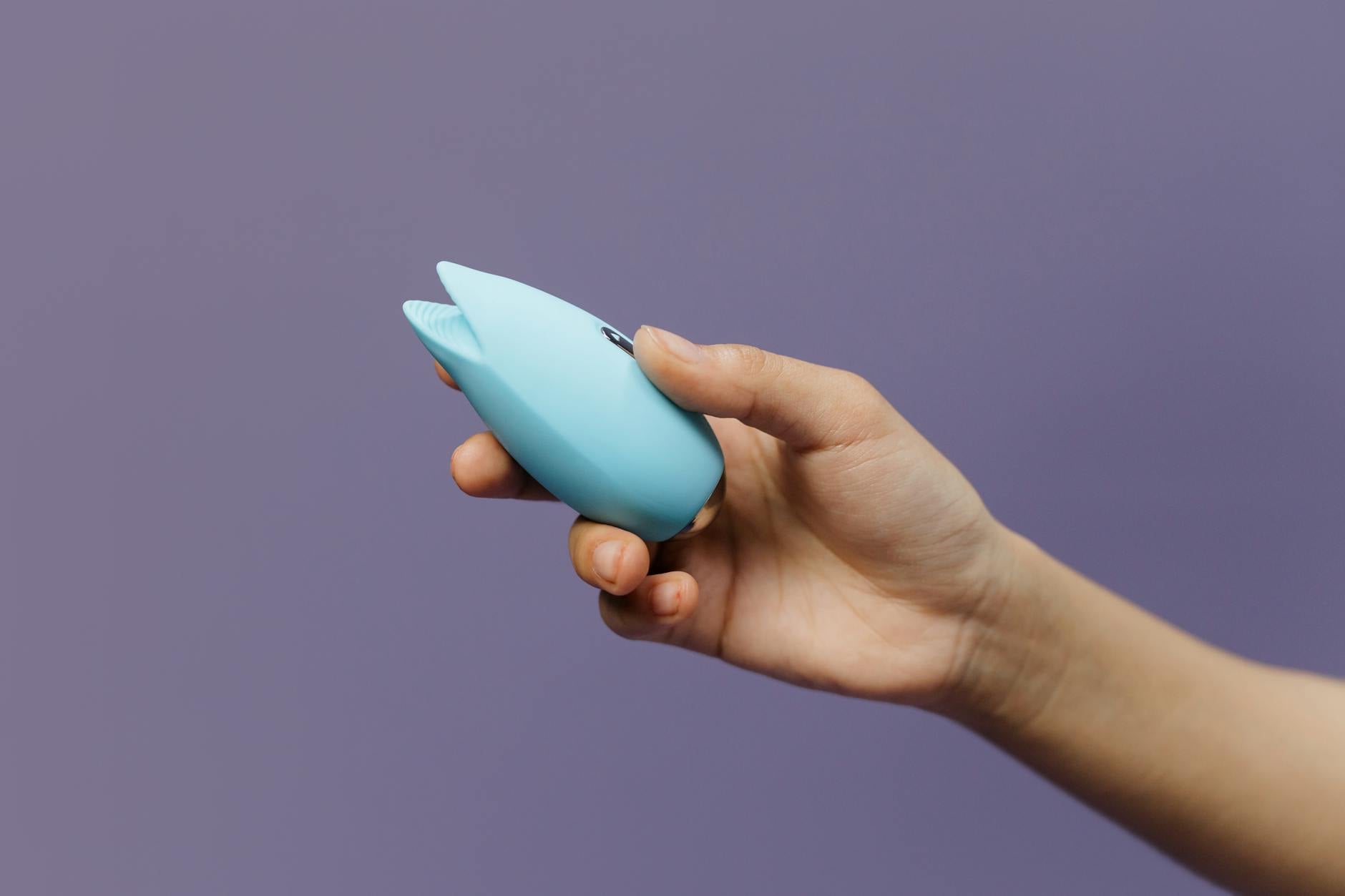
Photo by cottonbro studio on Pexels
How pleasure becomes part of your healing story
Trauma tells your body: you are not safe. Healing, eventually, tells a different story: you are safe. You deserve pleasure. You get to choose.
Lemon suction vibrators don't do the healing. You do. But they create the conditions where healing can include pleasure. Where control feels possible. Where gentleness isn't a retreat. It's a reclamation.
If you're exploring tools after trauma, start with low expectations and genuine curiosity. Notice what your body actually wants, not what you think it should want. And know that whatever timeline you're on, it's the right one.
People also ask
Is it safe to use vibrators after sexual trauma?
Yes, but with intention. Trauma affects your nervous system's threat response, so anything that feels overwhelming can trigger the freeze response. Suction-based tools like lemon clitoral vibrators are gentler than traditional vibrators because they work through pressure rather than rapid vibration. This allows your body to feel more control and safety. Always start with the lowest setting, use it alone initially, and work with a trauma-informed therapist if you're navigating this alongside professional healing.
Can clitoral vibrators help with dissociation during sex?
Sometimes. Dissociation is your nervous system's way of protecting you when it perceives threat. A suction vibrator might help because it demands a different kind of attention than penetrative sex or partner-led stimulation. The gentle, rhythmic sensation can anchor you in your body rather than pull you away from it. But dissociation is also a sign that your nervous system still feels unsafe, so this isn't a substitute for trauma therapy. If you're dissociating regularly during sexual activity, talk to a trauma specialist.
Why might traditional vibrators feel overwhelming after trauma?
Traditional vibrators deliver rapid, repetitive stimulation that can overload a nervous system that's already on high alert. For trauma survivors, this can trigger the fight-flight-freeze response rather than activation of the parasympathetic (calming) system. Suction works through gentle pressure and release, which engages different neural pathways and often feels less threatening to a hypervigilant nervous system.
How long before I feel comfortable with sexual pleasure again?
There's no timeline. Healing isn't linear, and it's different for everyone. Some people reclaim pleasure within months. Others take years. What matters isn't speed. It's presence and gentleness with yourself. If you're exploring tools like the Lem, think of it as an experiment, not a deadline. Your body will tell you when it's ready.
Should I use vibrators with a partner or alone while healing?
Start alone. This removes the pressure to perform or reassure anyone else about your healing. Your body learns that pleasure is for you, not for someone else's comfort or arousal. Once you've explored alone and your nervous system feels more regulated, partnered use becomes an option, but only if you want it.
What if I still feel numb or can't orgasm with a vibrator?
That's not failure. Numbness is a trauma response. Your nervous system is protecting you by dampening sensation. A vibrator, even a lemon suction vibrator, can't override that protection. What it can do is create an environment where pleasure feels safer. If numbness persists, that's a signal to work more deeply with a trauma therapist. The tool is secondary. The nervous system healing is primary.
Final thought
Trauma changes how your body responds to pleasure. But it doesn't remove your right to it. Healing isn't about returning to who you were. It's about becoming someone who gets to choose what feels good, and then honoring that choice, gently, over time.
If you're ready to explore, start small. Listen closely. And remember that your timeline is yours alone.
Want to talk through what might work for your specific situation? Reach out and we can help you find the right approach.