Why Lemon Vibrators Feel Different During Perimenopause (and How to Adjust)
Perimenopause is a mood. Your body is doing something, your brain knows it, and everything from your sleep to your orgasms gets weird. The good news: weird doesn't mean broken, and it absolutely doesn't mean less.
Here's the thing nobody tells you. Your sensitivity to touch, your arousal timeline, and how your favorite vibrator feels are all shifting during perimenopause. Most people assume this means their tools stop working. Actually, it means they need a different approach. And lemon sexual toys, specifically the clitoral suction style, handle these hormonal transitions better than traditional vibrators because of how they're engineered.
What perimenopause actually does to sensation
Let's be clear about the biology first, because you need to understand what's happening in order to trust that you're not losing it.
During perimenopause, estrogen levels fluctuate wildly. Not just "go down slowly" like they do in full menopause. They spike, they plummet, sometimes within days. This matters because estrogen directly affects blood flow to genital tissue, nerve sensitivity, vaginal lubrication, and the speed at which your nervous system can register sensation.
One week your clitoral tissue is thicker and more responsive. Another week, that same tissue feels less sensitive because blood flow has shifted. You're not imagining it. Your body literally is different from week to week.
Then there's progesterone. As it drops erratically during perimenopause, it stops buffering your nervous system the way it usually does. This can make sensation feel sharper, or it can make you feel numb. Both are normal. Both are temporary.
Why traditional vibrators become frustrating during this phase
Most vibrators work through repetitive mechanical movement. They work fine when your tissue sensitivity is stable. But when hormones are fluctuating, a standard vibrator that felt perfect last month suddenly feels either too intense or completely dull, depending on the week.
You turn up the intensity hoping to find that sweet spot. That doesn't work because the issue isn't the vibrator. The issue is that your tissue is less responsive or more reactive than it was seven days ago. More intensity just creates frustration.
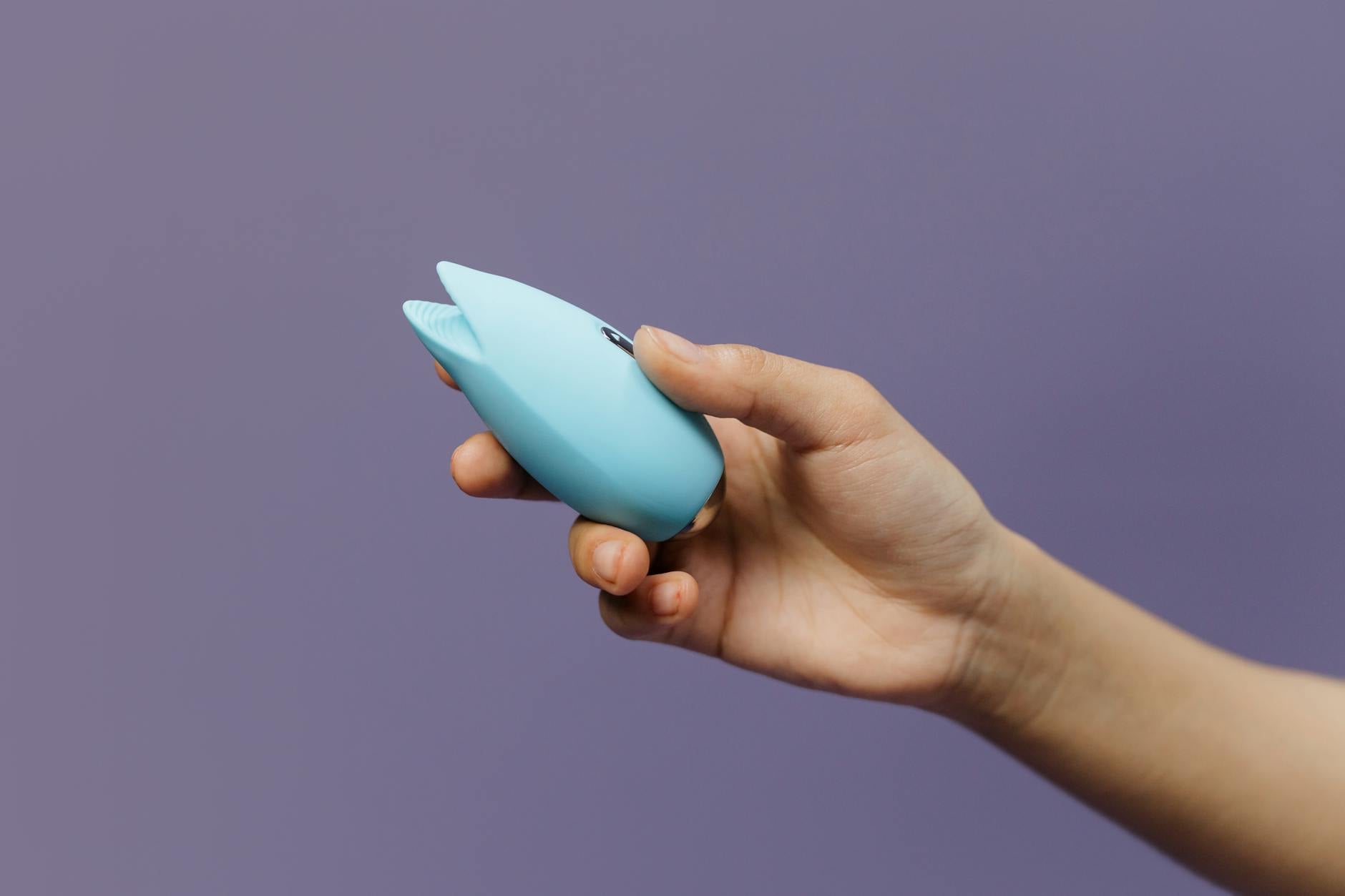
Lemon vibrators, the suction-based clitoral style, work differently. Instead of constant buzzing, they create a gentle vacuum seal that stimulates nerves through suction rather than pure vibration. This matters hugely during perimenopause because suction stimulation is less dependent on tissue thickness or blood flow stability. The mechanism is neural, not mechanical.
In practical terms: a traditional vibrator relies on your tissue being receptive. Lemon clitoral vibrators rely on nerve activation. When your hormones are running a chaotic schedule, the latter is far more reliable.
The three-phase perimenopause timeline and how sensation changes
Perimenopause typically lasts 8 to 10 years. The sensation changes aren't random. They follow patterns, and knowing them helps you plan.
Phase 1: Early perimenopause. Estrogen levels are still mostly normal but starting to fluctuate. You might notice arousal takes slightly longer, or your usual level of intensity feels less satisfying. This is where a lot of people first reach for a stronger vibrator. What usually helps more is extending foreplay by 5 to 10 minutes and giving your body time to catch up.
Phase 2: Mid-perimenopause. This is when the fluctuations get wild. Some days you feel intensely aroused, others you're numb. Lubrication becomes inconsistent. This is peak frustration time, because you can't predict how your body will respond. This is also when lemon adult toys shine, because the suction mechanism works consistently regardless of lubrication level or daily sensitivity variation.
Phase 3: Late perimenopause. Estrogen stays low more consistently, though it still fluctuates. You've usually adapted by now, and you've figured out what works. Many people report that sensation actually becomes more focused and intense once the chaos settles.
How to adjust your lemon vibrator use during perimenopause
You don't need a new toy. You need a different strategy for the one you have. Here's what actually works based on clinical experience and what my clients have reported.
Start lower and build slower. The default pattern on a lemon vibrator usually sits around medium intensity. During perimenopause, start at pattern 1 or 2 and spend 2 to 3 minutes there before increasing. Your nervous system is already processing a lot of hormonal change. It needs a gentler ramp.
Lubrication becomes your best friend, even if you never needed it before. Estrogen drops mean less natural lubrication, even in early perimenopause. Water-based lube isn't a sign of failure. It's a tool. The lube doesn't have to feel heavy or sticky. Something simple and clean-feeling makes a huge difference in how sensation registers.
Track the patterns. I know this sounds clinical, but it's genuinely useful. Note what week of your cycle (if still cycling) or what time of month you feel most responsive. Your sensation peaks align with hormonal peaks. Knowing this means you're not gaslighting yourself about changes.
Give yourself more recovery time. Refractory period often lengthens during perimenopause. If you used to have two orgasms within 30 minutes, you might now need 45 or 60 minutes between them. This isn't a loss. It's just biology shifting. Most people find that the orgasms themselves feel more intense and focused when they have the recovery time.
The emotional piece that makes the physical part actually work
Here's the thing I see constantly in my practice. Women in perimenopause blame themselves for these changes. They think something is wrong with them because sensation feels different or arousal takes longer.
That's the trap. Perimenopause isn't a personal failure. It's a phase. And phases end.
The most important adjustment isn't physical. It's letting yourself off the hook for the changes happening. Pleasure works better when you're not narrating a story about what's wrong with your body. The moment you shift from "why isn't this working" to "okay, what does work right now," everything changes.
This is also where communication with a partner matters. If you're with someone, tell them what you're experiencing. "My body is more responsive on certain days" or "I need more time to warm up" isn't criticism. It's information. Lemon vibrators work better in long-term relationships when both partners understand what's actually happening.
When to seek additional help
Some perimenopause symptoms deserve clinical attention. If you're experiencing pain during sex, that's different from sensation changes and worth discussing with your doctor. If arousal has completely flatlined and isn't coming back even on hormone-peak weeks, that's worth investigating.
Similarly, if you're not sure whether what you're experiencing is perimenopause or something else, a menopause-informed doctor can help clarify. Perimenopause plays with everything from sleep to mood to libido. Getting that context makes the physical adjustments feel less random.
Many people also find that understanding how your body responds to arousal-building takes some experimentation, and that's exactly what lemon clitoral vibrators are designed for. They're forgiving tools. You can explore without punishment.
The bigger picture
Perimenopause feeling different isn't a step backward. It's often a step sideways into something that works better once you adjust. A lot of my clients report that their pleasure life in their 50s is more intentional and satisfying than it was at 35, even though the mechanics of sensation have shifted.
The lemon vibrators that work beautifully for this phase are built on the same principle as your nervous system. They adapt. They're gentle enough for sensitive days and responsive enough for peaks. Which is exactly what you need when your hormones are rewriting the rules.
Your pleasure doesn't disappear during perimenopause. It just requires a conversation with your body and patience while you figure out the new language. The right tools, including lemon suction toys designed for sensitivity changes, make that conversation feel less frustrating and way more satisfying.
People also ask
Does perimenopause make it harder to have orgasms with clitoral vibrators?
Harder isn't quite the word. Different is more accurate. In early perimenopause, you might need more time or a different intensity than before. By mid-perimenopause, some people find orgasms actually feel more intense, just less frequent or less predictable. The shift is usually temporary. Most people report that orgasms feel stronger and more focused once the hormonal chaos settles. Using a tool like a lemon vibrator that responds to your nervous system rather than requiring tissue thickness helps bridge the unpredictable middle phase.
Can I use my vibrator more during perimenopause to "keep'' sensitivity?
No, and this is a common trap. Using a vibrator more during hormonal fluctuation usually just creates numbness because your nervous system is already overwhelmed by hormonal change. What helps more is using it less frequently but with more intention and lubrication. Think quality over quantity. You're not preserving sensitivity by stimulating more. You're preserving it by letting your nervous system recover between uses and respecting what your body actually needs in each phase.
Why does lube matter more during perimenopause if I'm using a lube toy?
Even suction-based lemon vibrators work better with lubrication during perimenopause, not because the toy stops working without it, but because estrogen drop reduces natural lubrication, and the friction between toy and skin becomes more noticeable. Lube reduces that friction and lets your nervous system focus on the sensation you actually want. Water-based lube won't damage silicone toys and feels less heavy than silicone-based options. You're not fixing brokenness. You're removing an unnecessary friction layer.
Should I switch to a different vibrator during perimenopause?
Most people don't need to. What usually helps is switching your approach with the tool you have. Lower starting intensity, longer warm-up time, consistent lubrication, and more recovery time between sessions all make a huge difference. If you're using a traditional buzz vibrator that relies on high intensity, you might find that lemon clitoral vibrators feel more consistent during this phase, but you don't need to replace something that works. Adjust first, experiment second.
Is it normal for sensation to feel sharper and almost painful during perimenopause?
Yes, especially if you're in the mid-perimenopause phase when progesterone is dropping. Progesterone naturally buffers nerve sensitivity. When it drops, some people experience heightened sensation that can feel almost too sharp. This usually passes. If it's persistent and uncomfortable, tell your doctor, because sometimes low-dose progesterone therapy helps. In the meantime, starting at lower vibrator intensity and using generously with lube helps you control that sharpness.
Can perimenopause affect arousal with a partner vs. solo use differently?
Absolutely. Hormonal fluctuation affects both, but the dynamics are different. Solo, you control everything and can adjust in real time. With a partner, there's communication and coordination involved. Many people find that arousal takes longer with a partner during perimenopause, partly because of hormones and partly because sex suddenly requires more conversation. That's not a bad thing. It often leads to deeper intimacy. The key is not assuming that slower arousal means less interest.
Next steps
Perimenopause changes a lot. Your pleasure doesn't have to be one of them. It just needs adjustment, patience, and the right approach. If you're navigating these shifts and want to talk through what's happening with your body, reach out to Hello Nancy's team. We're here to help you figure out exactly what works for your body right now.
Your sensation matters. Your pleasure matters. And perimenopause is just a chapter, not the end of the story.