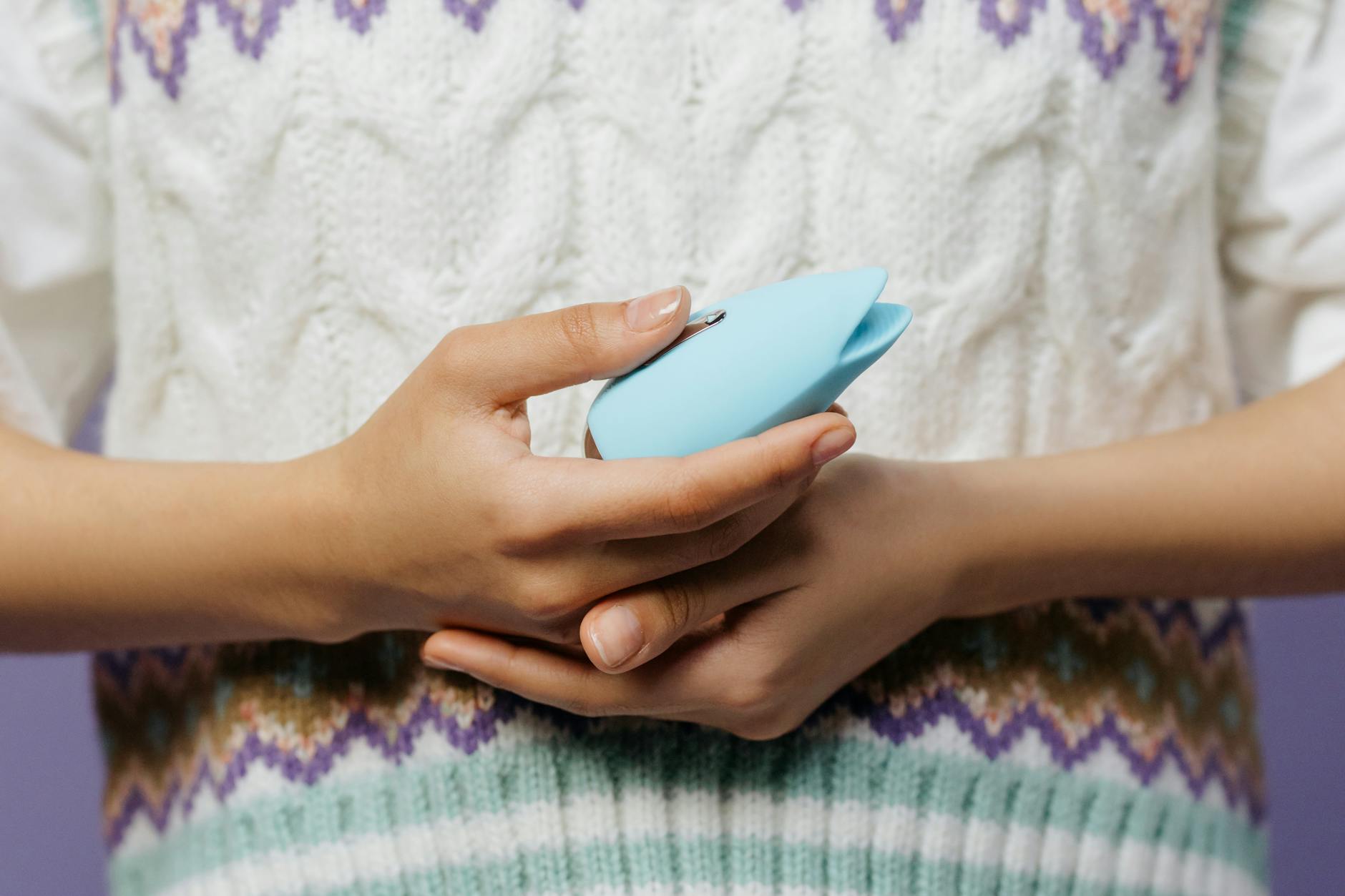
Why Lemon Vibrators Feel Different on Sensitive Skin
Let's start with what sensitive actually means
Here's the thing. "Sensitive skin" on your clitoris doesn't mean you're broken or that toys aren't for you. It usually means one of three things: the stimulation is too intense for your nerve endings right now, the vibration pattern is triggering irritation, or the toy's material or suction power isn't calibrated to your body's response. Lemon vibrators, which use suction-based stimulation rather than direct vibration, feel wildly different on sensitive tissue than traditional vibrators do. And that difference matters.
Most people assume a sensitive clitoris means all vibration will hurt. That's backwards. The right toy at the right intensity can actually feel incredible because suction distributes pressure differently than buzz.
How suction changes the game for sensitive tissue
Let's talk mechanics. A traditional clitoral vibrator typically uses oscillating motors that move side-to-side or up-and-down at speeds ranging from 2,000 to 10,000 vibrations per minute. That's direct friction against delicate nerve endings. It works beautifully for many people, but for folks with sensitive skin, that repetitive contact can feel too sharp, too localized, or too relentless.
Lemon vibrators and other suction-based tools work through air-pulse technology. Think of it less like a vibration and more like a gentle rhythmic sucking sensation. The stimulation is diffused across a broader surface area of the clitoris rather than concentrated on one tiny point. For sensitive tissue, this is often a game-changer.
Why? Because suction engages the entire glans of the clitoris, not just the surface. It creates a wave of sensation rather than a tapping one. People with sensitive skin often report that the same intensity level on a lemon vibrator feels gentler and less jarring than on a traditional vibrator, even though the sensation is actually deeper.
The role of skin barrier sensitivity
Your clitoris has some of the densest nerve endings on your entire body. That's not a design flaw; it's the whole point. But if your skin barrier is compromised, you'll feel everything more intensely. This can happen for a bunch of reasons: irritation from friction, dermatitis, hormonal changes, or just genetic predisposition to reactive skin.
When your skin barrier is weak, even mild vibration can trigger inflammation or micro-tears. You might notice redness, tenderness, or a burning sensation after using a vibrator. That's not sensitivity to vibrators in general. That's your tissue telling you it needs a different approach.
Suction-based lemon vibrators tend to be gentler on compromised skin because there's no abrasive rubbing. The seal created by the silicone cup actually protects the tissue from air exposure too, which can help if you're dealing with irritation.
Intensity settings and sensitive skin
Here's where most people mess up. They buy a toy marketed as powerful and start on the highest setting because they assume they need maximum intensity to feel anything. That's the opposite of what sensitive skin needs.
Most lemon vibrators offer multiple intensity levels, usually 5-10 depending on the model. For sensitive clitorises, your home base should be settings 1-3. I know that sounds timid. It isn't. Suction at a lower intensity can feel more intense than vibration at a high intensity because of how the sensation distributes.
Start at the lowest setting. Spend a full week there if you need to. Let your body adjust. You can always turn it up. But once you've escalated to intensity levels 8-10 every session, bringing it back down becomes harder because of how your nerves respond to stimulation over time. Think of it like sunbathing. Start with SPF 50. You can add more sun later. You can't un-tan your skin.
Material matters more than you think
The silicone (or other material) that the suction cup is made from directly affects how it feels on sensitive skin. Medical-grade silicone tends to be smoother and less likely to trigger allergic reactions than lower-grade silicone. It also feels warmer to the touch, which most people find more comforting.
Rougher materials or toys with seams can create micro-irritation on sensitive skin. Before you use any clitoral vibrator, run your fingers over the entire surface. Feel for rough spots, seams, or texture inconsistencies. If something feels scratchy to your fingertip, it will feel worse on your clitoris.
Sealing quality also matters. If the suction cup doesn't seal properly, you'll get inconsistent sensation and more direct vibration against the tissue. That's irritating. A good lemon vibrator should have a smooth, flush seal with no wobble or gaps.
Lubrication and friction reduction
This is counterintuitive for people using suction toys, but a tiny bit of water-based lubricant can actually reduce irritation on sensitive skin. I'm not talking about drenching the area. A light coating helps the suction cup glide smoothly and creates a buffer between the silicone and your tissue.
Lubrication also helps the seal work better, which means more consistent suction and less leaking. Inconsistent suction often causes more irritation than steady suction at a moderate level, because your tissue is essentially being aggravated by stop-start sensation.
If you're already experiencing irritation, avoid anything with alcohol, fragrance, or numbing agents. Those make things worse. Stick to plain water-based lube or even coconut oil if you're using silicone toys and prefer that texture.
Identifying real irritation versus normal sensation
Here's where things get murky. Normal clitoral sensitivity can feel intense. That's not irritation. But actual irritation feels different. It's often sharp, burning, or accompanied by redness that lasts more than a few minutes after use.
Normal response: mild redness that fades within 10-15 minutes, slight tenderness, pleasurable sensitivity during use, no pain.
Irritation: redness that persists for hours, burning or stinging sensation, visible swelling, pain during use (not pleasure), discomfort when wearing underwear afterward.
If you're experiencing irritation, back off the toy entirely for a few days. When you return, cut the intensity in half and the session length in half. You're not building up tolerance. You're letting your tissue recover and then easing back in.
When to pause and reassess
Sensitive skin sometimes signals something worth addressing separately from toy use. If you're dealing with ongoing pain, persistent irritation, or sudden changes in sensitivity, see a gynecologist. Sometimes sensitivity spikes because of hormonal shifts, yeast infections, bacterial imbalance, or dermatitis. Using a vibrator while dealing with those issues will make them worse.
That's not a reason to quit toys. It's a reason to pause and address the root cause. You can return to your lemon vibrator once you've treated the underlying issue. And honestly, you'll probably feel relief and pleasure with it once the irritation is gone.
Building back tolerance gradually
If you've had a bad experience with vibrators in the past, your nervous system might be guarding. That's real and it's not weakness. Your body remembers irritation.
Rebuild by treating toy use like a meditation. Set 15-20 minutes aside when you're not stressed or rushed. Start with the lowest intensity. Don't expect an orgasm. Expect sensation. Some days you might feel nothing. That's okay. You're recalibrating your tissue and your nervous system's relationship with stimulation.
Most people find that consistent, gentle use over several weeks rewires their response. The same tool that felt too intense or painful before starts to feel incredible. Your body isn't broken. It just needed the right approach.
FAQ: Your questions about sensitive skin and lemon vibrators
Why does suction feel less intense than vibration even at the same power level?
Suction distributes pressure across a broader surface area of the clitoris, whereas vibration concentrates sensation on one spot. Your nerves register the same energy, but the sensation feels softer because it's diffused. Think of the difference between pressing your entire hand on something versus poking it with one finger.
Can I use a lemon vibrator if I have vulvodynia?
That depends on your specific triggers and symptom pattern. If your vulvodynia is worse with direct pressure, suction-based toys are often more tolerable than traditional vibrators. Start at the absolute lowest intensity and prioritize comfort over sensation. Many people with vulvodynia find that gentle, consistent stimulation actually helps desensitize the area over time, but this should be discussed with your doctor first. You might also find how to use a lemon vibrator when you have vulvodynia or chronic pelvic pain helpful.
What's the difference between normal sensitivity and a toy allergy?
Normal sensitivity feels like heightened sensation. Allergy typically causes itching, swelling, or rash that appears within minutes to hours. If you suspect an allergy, switch to a different silicone brand or material and see if the reaction stops. Medical-grade silicone is less likely to trigger allergic responses than phthalate-heavy alternatives. True silicone allergies are rare, but low-quality toy materials absolutely can cause irritation.
Should I use numbing products before using a lemon vibrator?
No. Numbing products mask irritation rather than prevent it. You might use the toy without feeling pain, but you're still potentially causing micro-damage. That sets you up for more irritation long-term. Address the actual problem by starting at lower intensity, using lubrication, and taking longer breaks between sessions. Your nerves should be awake and responsive when you use any toy.
How long does it take for sensitive skin to adjust to a new toy?
Most people see a significant shift in comfort and sensation within 2-3 weeks of consistent use at lower intensities. Some people take 6-8 weeks. There's no universal timeline. What matters is consistency and patience. One session a week won't build tolerance or comfort. Three to four sessions per week at low intensity will.
Can I use a lemon vibrator if I've had bad experiences with other toys?
Absolutely. Bad experiences with other toys don't mean lemon vibrators will be bad. Suction-based stimulation is fundamentally different from traditional vibration. Many people who found other toys uncomfortable report that suction-based tools feel completely different. That said, go slowly. Your nervous system might be guarding, and that's smart. Start at the lowest setting, prioritize comfort, and be patient with yourself as you rebuild positive associations.
The bottom line
Sensitive skin isn't a barrier to pleasure. It's just information about what your body needs right now. Lemon vibrators work beautifully for sensitive clitorises because suction distributes stimulation differently than traditional vibration. Start low, use lubrication, give your body time to adjust, and listen to the difference between normal sensation and actual irritation.
Your clitoris is one of the most sensitive parts of your body on purpose. That sensitivity is a feature, not a bug. You just need the right tool and the right approach to access what it can do.
Have questions about how to use lemon vibrators for your specific body? Reach out to us. We're here to help.