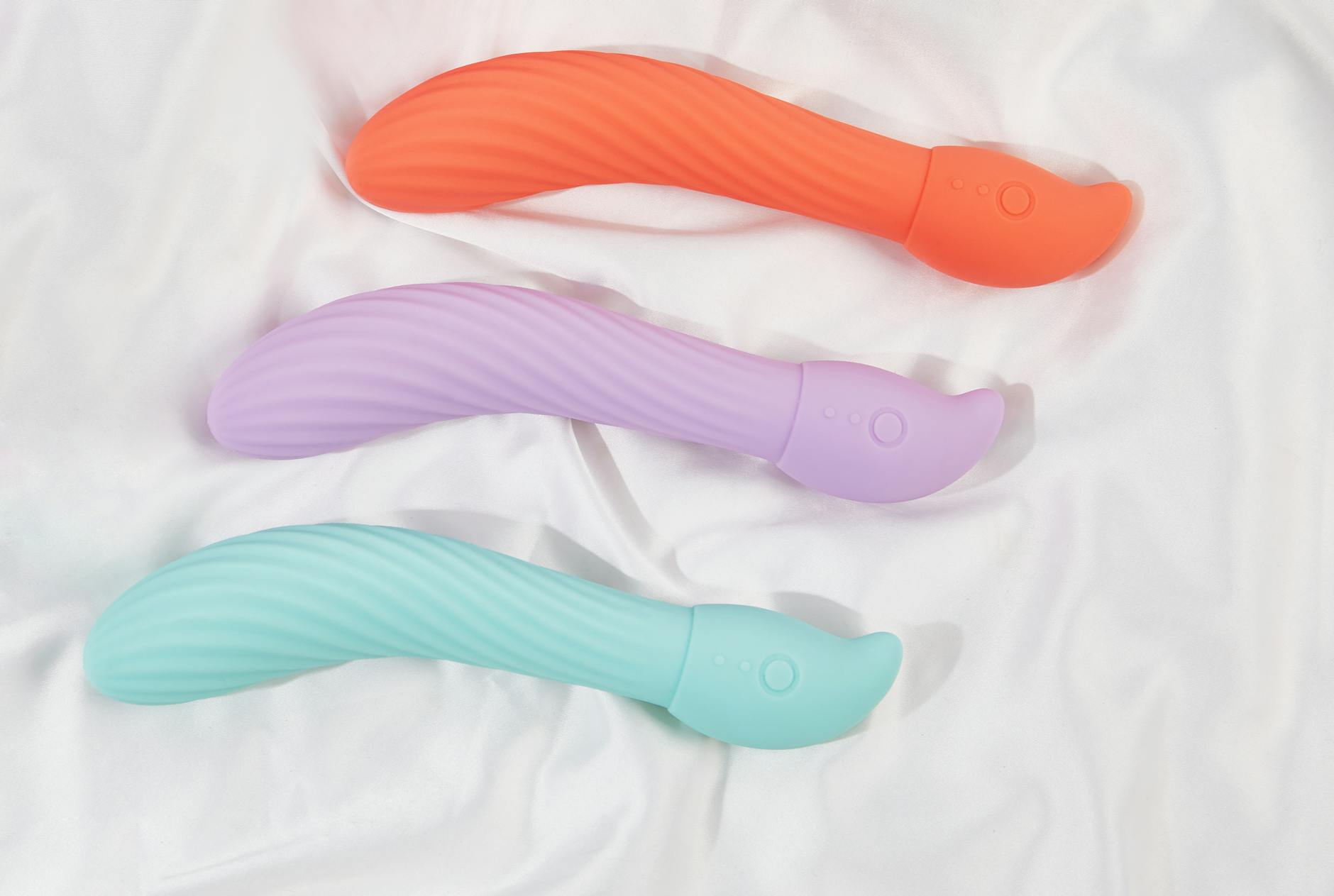
Here's what nobody tells you about sensitive skin and vibrators
If you've ever felt irritation, rawness, or that weird burning sensation after using a traditional vibrator, your skin isn't broken. It's reacting exactly the way it should when tissue gets overstimulated by direct friction and repetitive pressure. The problem isn't you. It's the tool.
Lemon vibrators, which use air-suction technology instead of traditional vibration, work on a completely different principle. Instead of buzzing against delicate tissue, they create gentle suction that stimulates nerves without the same mechanical friction. For people with sensitive skin, reactive tissue, or anyone who's been told their body "doesn't cooperate," this changes the game.
Here's what I've learned working with clients who've struggled with this exact issue.
The friction problem with traditional vibrators
Most conventional vibrators work by vibrating back and forth against skin at speeds between 50 and 250 hertz. That's a lot of repetitive contact in a small area. For people with thin, delicate, or easily irritated tissue, that friction can feel less like pleasure and more like a rash waiting to happen.
The problem gets worse if you're using the device for more than 5-10 minutes continuously, which is when micro-tears and irritation typically start. Add pressure into the mix (pushing the vibrator firmly against tissue) and your skin is essentially being abraded.
Water-based lube helps, sure. But it's a band-aid on a structural problem. The tool itself is still designed to vibrate directly on skin, which means some level of friction is inevitable.
How air-suction technology actually works
Lemon clitoral vibrators use a completely different mechanism. Instead of vibrating, they create a gentle pulsing suction that stimulates the thousands of nerve endings in the clitoris. Think of it less like a vibrator and more like a responsive mouth.
The suction pulls delicate tissue gently into a small chamber, then releases. That pulse happens around 8-10 times per second, which is much slower than traditional vibration but feels intensely pleasurable because it's distributing stimulation across a wider nerve area rather than concentrating it in one spot.
Because there's no side-to-side friction, delicate tissue stays protected. The sensation is concentrated but not harsh. Most of my clients with sensitive skin describe it as "powerful without being rough."
Why this matters for reactive skin
Sensitive skin isn't a personal failure. It's usually one of three things.
First, some people genuinely have thinner external tissue due to genetics, hormonal factors, or previous irritation. Second, there's reactive skin that's fine normally but gets inflamed under friction. Third, there's the accumulated irritation problem. You use a traditional vibrator, get a little raw, then your skin stays reactive for days because it's actively healing.
Lemon vibrators break that cycle because they don't create friction in the first place. Sensitive skin stays calm. Healing speeds up. You can use the device more frequently and for longer without irritation building up.
For people managing conditions like vulvodynia or vestibulodynia, where external friction triggers pain, air-suction devices are often the only option that feels good. Clinical data is growing on this, and more gynaecologists are recommending them to patients who've had bad experiences with traditional toys.
The intensity paradox: how gentler can feel stronger
Here's something counterintuitive that confuses most first-time users. Lemon vibrators feel more intense than many traditional vibrators, even though they're mechanically gentler.
Why? Because the suction mechanism stimulates a larger nerve cluster at once. Instead of buzzing one small area, you're creating a rhythmic pull that engages the whole clitoral network. The sensation reaches deeper. Orgasms tend to arrive faster and feel fuller.
People often describe the first time using an air-suction device as "like rediscovering sensation." They expect gentler to mean weaker. It's the opposite.
Material matters more than you think
If you're buying a lemon clitoral vibrator, the device itself is only half the equation. The material touching your skin is everything.
Medical-grade silicone is non-porous, hypoallergenic, and won't harbor bacteria the way porous rubber or TPE can. Higher-quality silicone is also more durable and easier to clean thoroughly. If you have reactive skin, cheaper materials will absolutely trigger flare-ups. It's worth investing in a device made from certified medical-grade silicone.
Air-suction devices also tend to have softer edges and smoother openings than traditional vibrators, which reduces any sharp contact points. The whole design is gentler from material to form factor.
Lubrication strategy for sensitive skin
Even with air-suction technology, lube is your friend. But the type matters hugely for sensitive skin.
Water-based lubricants are safest for most people. They're compatible with silicone devices, easy to clean up, and less likely to irritate reactive tissue. Glycerin-free formulas are ideal if you're prone to yeast infections, which glycerin can feed.
Hyaluronic acid-based lubes are wonderful for sensitive skin because they're hydrating without being irritating. Use a generous amount. Better to overshoot than to create any friction at all.
Silicone-based lubes last longer and feel richer, but they can degrade silicone toys over time. If you go that route, wash immediately after use and inspect your device regularly for any softening or stickiness.
When to see a doctor about irritation
If you're using air-suction technology correctly and still experiencing pain, burning, or swelling that lasts more than an hour after use, something else is going on. This could be a yeast infection, bacterial imbalance, dermatitis, or a condition like vulvodynia that needs professional care.
A gynaecologist can figure out what's happening and offer targeted treatment. Sometimes it's a simple fix, like switching lubes. Sometimes it's a prescription cream or a conversation about hormonal factors. Either way, you deserve pleasure without pain, and your doctor can help.
Building tolerance and expanding sensation
If you've been hurt by traditional vibrators in the past, your nervous system might be hesitant. That's smart self-protection. The good news is you can rebuild tolerance gradually.
Start with the lowest setting on your lemon vibrator. Use it for 5-10 minutes, just getting familiar with the sensation. Over time, as your skin stays calm and your nervous system learns that this isn't going to hurt, you can experiment with longer sessions and higher intensities.
This slow approach also trains your body to recognize subtle pleasure signals that traditional, harsh vibration might have been drowning out. Many of my clients say that rebuilding this way led to more nuanced, satisfying responses overall.
The real reason sensitive skin and lemon vibrators match
It comes down to physics and anatomy. Traditional vibrators were designed for a general market without real consideration for tissue sensitivity. Lemon clitoral vibrators, and air-suction devices broadly, were developed with a focus on gentleness alongside intensity. That's not accident. It's engineering.
If your skin has been telling you that pleasure equipment doesn't work for you, listen to that. But also know that the problem was the previous tool, not your body. Trying a lemon vibrator might be the moment you realize what sensation actually feels like without pain attached.
FAQ: Lemon Vibrators and Sensitive Skin
Are lemon vibrators truly gentler than regular vibrators for irritated skin?
Yes. Because air-suction devices use pulsing suction instead of vibration, they create no direct friction on delicate tissue. This makes them safe for reactive skin, and most people experience zero irritation even with extended use. The suction mechanism distributes stimulation across a wider area rather than concentrating it in one spot, which is gentler overall.
Can I use a lemon vibrator if I have vulvodynia or vestibulodynia?
Most people with these conditions find air-suction devices tolerable when traditional vibrators are painful. That said, vulvodynia is complex and individual. Start with the lowest setting, use plenty of lubricant, and stop immediately if anything hurts. Some people benefit from working with a pelvic floor specialist alongside exploring new devices. Your gynaecologist can offer guidance specific to your situation.
What lubricant works best with a lemon clitoral vibrator for sensitive skin?
Water-based lubrication is safest and most compatible with silicone devices. Glycerin-free formulas are ideal if you're prone to yeast infections. Hyaluronic acid-based lubes are hydrating without irritation. Apply generously, and wash thoroughly after use. Silicone-based lubes last longer but can degrade silicone toys over time, so save those for non-silicone devices.
How long can I use a lemon vibrator safely if I have reactive skin?
Most people can use air-suction devices for 15-30 minutes without irritation, and some for even longer. Start with 5-10 minute sessions while your skin adjusts, then gradually extend as you feel comfortable. If irritation appears, take a break for a day or two and resume with shorter sessions. Everyone's tolerance is different, so listen to your body.
Why does a lemon vibrator feel more intense than traditional vibrators despite being gentler?
Air-suction devices stimulate a larger network of nerve endings at once through the pulsing suction mechanism, creating a fuller, deeper sensation than traditional vibration focused on a tiny area. Gentleness doesn't equal weakness. Many users report that air-suction devices produce stronger, faster orgasms than traditional vibrators.
Can I switch from a regular vibrator to a lemon vibrator if my skin is already irritated?
Yes, but give your skin 2-3 days to calm down first. Use a soothing unscented moisturizer or aloe during that break. Once irritation subsides, a lemon vibrator is actually ideal for rebuilding comfort. Start slowly, use plenty of lube, and your skin should remain calm from here forward.
The bottom line
Sensitive skin doesn't mean you're not a sexual person or that toys aren't for you. It means you need the right tool. Lemon vibrators, with their air-suction technology and focus on gentleness, are often exactly what sensitive skin has been waiting for.
If traditional vibrators have left you sore, raw, or convinced that pleasure equipment just isn't compatible with your body, this might be the moment to try something different. Your skin deserves tools that work with it, not against it.
Have questions about whether air-suction technology is right for you? Get in touch. I'm here to help.