
Let's talk about what nobody mentions in the pharmacy
Antidepressants work. They lift mood, stabilize anxiety, help you sleep again. But somewhere between weeks two and four, you might notice that orgasms feel muted. Or that arousal takes twice as long to build. Or that sensation is there, technically, but it feels like you're experiencing it through a pane of glass. That's not a personal failure. That's pharmacology.
Here's the thing: your brain chemistry has shifted. And that shift is manageable. With the right approach—and sometimes with the right tool, like a lemon vibrator—you can reclaim sensation while staying on medication that keeps you stable.
Why antidepressants affect sensation in the first place
Most antidepressants work by increasing serotonin in your brain. SSRIs (selective serotonin reuptake inhibitors)—the most commonly prescribed class—block the reabsorption of serotonin so it stays active longer in your neural pathways. That's what reduces anxiety and lifts depression.
But here's the neurochemistry problem: serotonin is also involved in the arousal and orgasm cycle. When serotonin is elevated, the signal to your genitals can get muffled. Your nervous system still registers pleasure, but the intensity feels dampened. It's like turning down the volume on something you used to hear clearly.
Different medications affect sensation differently. Sertraline and paroxetine are notorious for causing sexual side effects in about 40-60% of people who take them. Bupropion, by contrast, often increases sensation and is sometimes swapped in for exactly that reason. But most people stay on the medication that works for their mental health—not because it's optimal for pleasure, but because it's keeping them alive and functional.
That trade-off deserves a real solution, not just resignation.
The physiological changes that happen
When serotonin is elevated, two things occur at once.
First, your parasympathetic nervous system—the part responsible for arousal and blood flow to the genitals—gets a bit quieter. Arousal is parasympathetic. You need your body to relax and open up. High serotonin can keep you in a lower-activation state, which means less genital engorgement and slower clitoral erection.
Second, your sensitivity thresholds shift. Your clitoris is still there, still responsive, but the signal it sends to your brain takes longer to register as pleasure. You need more stimulation to reach the same point. A partner's touch that used to feel like fireworks now feels like a gentle hand on your arm.
That's where lemon vibrators become useful. They work by a different mechanism than hand stimulation. Air-suction vibrators like Mylem's lemon clitoral vibrator use gentle pulsing suction rather than direct vibration. That pattern activates nerve endings in a way that can bypass some of the sensory dampening serotonin creates. You're not trying to force a numb system to work harder. You're engaging it differently.
How lemon vibrators specifically help
Lemon vibrators use a suction-based pattern rather than traditional vibration. The science here matters. When your nervous system is muted by serotonin, direct stimulation—like a regular vibrator—often requires you to turn up the intensity to compensate. That can lead to overstimulation, fatigue, or frustration.
Suction patterns work on a different neural pathway. They create a kind of pressure-release cycle that engages deeper nerve clusters in the clitoris. For many people on antidepressants, this feels less like trying to push a numb system and more like waking it up.
The pattern of a lemon vibrator also matters. Starting low, with slower patterns, then building up allows your nervous system time to register sensation. Many people on SSRIs find that rushing into intensity backfires. A 15-minute session with a lemon vibrator using patterns one through three often accomplishes more than ten minutes of higher intensity would.
Practical strategies that work
If you're on antidepressants and sensation has flatlined, here are the actual steps I recommend to clients.
Start with timing and expectation. Arousal takes longer now. Budget 20-30 minutes instead of five. This isn't laziness—it's neurology. Your body needs time to ramp up when serotonin is elevated. Rushing guarantees disappointment.
Warm up differently. Mental arousal matters more than it used to. Spend the first five minutes reading something that engages you, not on physical stimulation. Your brain needs to catch up before your genitals will.
Use lower patterns initially. A lemon vibrator gives you multiple intensity settings. Spend five minutes on pattern one, three minutes on pattern two. Let your nervous system acclimate rather than jumping to maximum intensity.
Layer sensations. Combine the lemon vibrator with something else. A partner's touch, a fantasy you've saved, music that works for you, or temperature play. When one sense feels muted, adding another sense often compensates.
Track what changes. Sometimes sensation returns after your body adjusts to the medication, usually around week eight. Sometimes it doesn't. If you experiment consistently over three weeks and nothing shifts, a conversation with your prescriber about timing, dosage, or switching medications is reasonable.
When to talk to your doctor
Your sexual health matters, and it's a legitimate topic for your prescriber. Here's how to approach it.
Don't say "my antidepressant killed my sex drive." Say, "I'm on [medication name] and I've noticed sensation is reduced. Are there timing adjustments that might help, or medications in the same class with fewer sexual side effects?" That specific framing gets you taken seriously.
If you're considering switching medications, understand that this is a real option. Bupropion, for instance, often increases sensation. Mirtazapine can go either way. Sometimes a dosage adjustment helps. Sometimes taking your dose at a different time of day changes the impact on arousal.
You don't have to choose between mental health and pleasure. A good prescriber can help you find a path where both are possible.
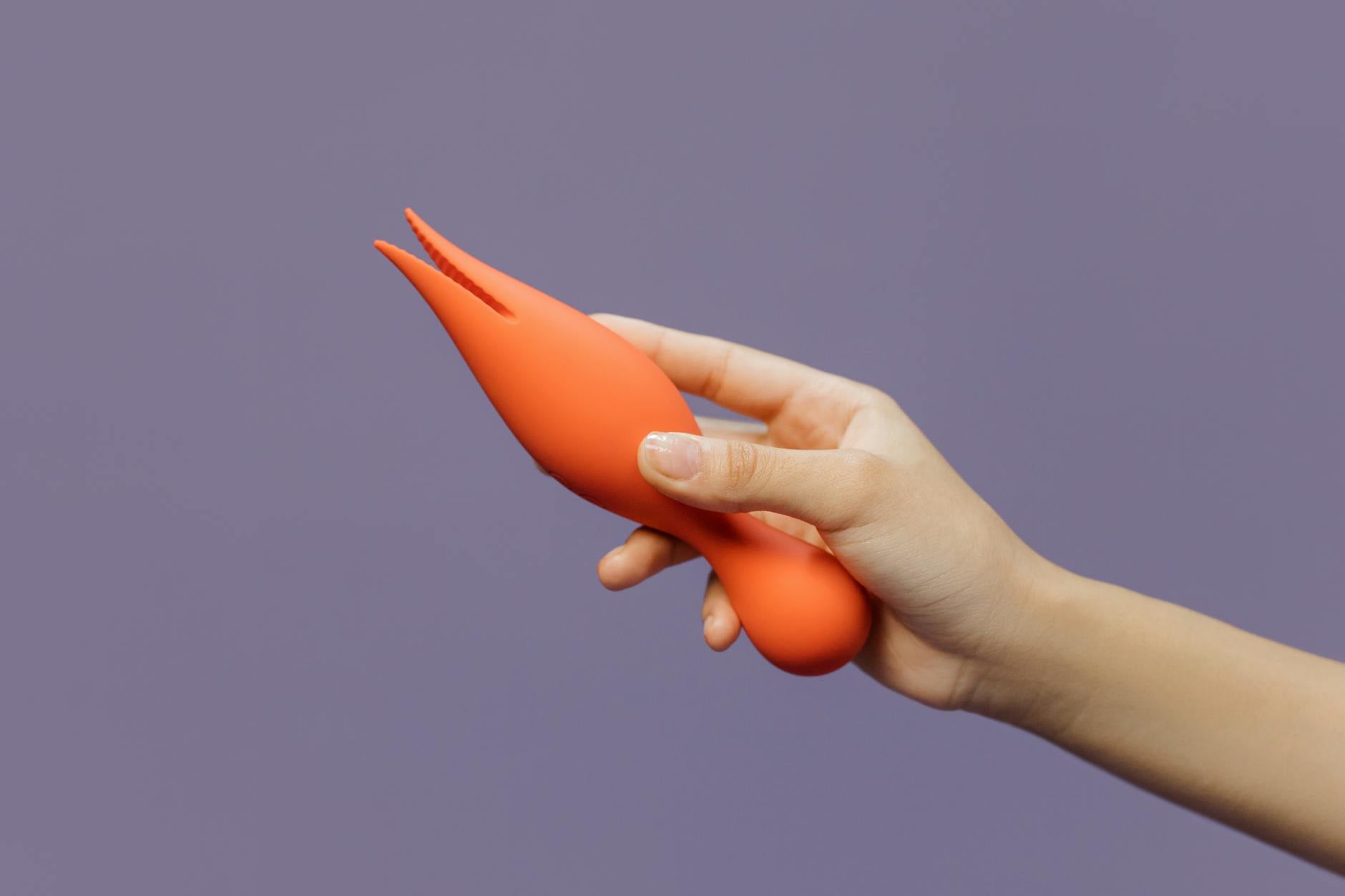
Photo by cottonbro studio on Pexels
Tools beyond vibrators
Lemon vibrators are one approach, but they're not the only one. Some people find that how to use a lemon vibrator for better sensation when you have reduced clitoral sensitivity offers additional strategies that apply here too.
Kegel exercises and pelvic floor work can also help. When sensation is muted, strengthening the muscles that support pleasure sometimes makes what sensation is there feel more intense. A pelvic floor physical therapist can show you exercises beyond basic Kegels—things like elevator exercises and lengthening practices that actually improve sexual function.
Fantasy and mental arousal matter more than you'd think. Your brain is the primary sexual organ. When physical sensation is dampened, investing in mental engagement—erotic audio, stories, specific fantasies—sometimes compensates entirely.
Some people also find that extended foreplay with a partner, where you're both focusing on sensation rather than outcome, shifts things. The goal stops being orgasm and becomes pleasure. That mental reframe, paired with a lemon vibrator, often unlocks sensation that intensity alone never does.
The waiting game and realistic timelines
Your body will likely adjust over time. The first month on an antidepressant is the honeymoon period for mood. Weeks two through six are often the toughest for sexual side effects. By week eight, many people notice sensation returning as their body habituates to the medication.
That doesn't mean it returns to baseline. For some people, even after their body adjusts, sensation stays somewhat muted. But the dense numbness often lifts. If you're using a lemon vibrator during the adjustment period, you're not forcing anything. You're exploring what still works while your nervous system recalibrates.
Three months is typically the window where you'd know whether this is a temporary adjustment or a persistent side effect worth addressing with your prescriber. In the meantime, patience and experimentation beat frustration.
Real talk about mental health and pleasure
I want to be direct: if antidepressants are keeping you stable and alive, that matters more than sensation. Full stop. You don't have to choose between mental health and sexual pleasure, but if forced to choose, mental health comes first.
That said, you shouldn't have to make that choice. The strategies here—lemon vibrators, pelvic floor work, conversation with your prescriber, patience—exist specifically so you don't have to. Your doctor wants you on a medication that works. If sexual side effects are severe enough to affect your quality of life, they want to know. That's part of their job.
FAQ
Do all antidepressants cause reduced sensation?
No. SSRIs are the worst offenders, with sexual side effects in roughly 40-60% of people. SNRIs fall in the middle. Bupropion and mirtazapine have lower rates, and some people on them actually experience increased sensation. If your current medication is flattening pleasure, talk to your prescriber about alternatives in the same class.
Will sensation come back if I stay on antidepressants?
Often, yes. Your body typically adjusts by week eight. But some people experience persistent dampening. If sensation hasn't returned after three months and it's affecting your quality of life, that's worth a conversation with your prescriber about timing, dosage, or switching.
Can a lemon vibrator help if I'm already numb?
Yes, but with realistic expectations. A lemon vibrator works differently than hand stimulation and can bypass some of the sensory dampening. But it's not a magic fix for medication side effects. It's a tool that works best paired with the other strategies here—timing, mental arousal, pelvic floor work, and potentially a conversation with your prescriber.
How long does it take to notice a difference with a lemon vibrator?
Most people notice something within two to three sessions. Not necessarily an orgasm or intense pleasure, but a shift in sensation—something feeling slightly more present than it did with hands alone. Give it three weeks of consistent exploration before deciding it's not working.
Should I tell my partner about medication side effects?
If you're partnered, yes. Not as confession, but as information. "My medication affects sensation. This isn't about you or our connection. Here's what helps." That conversation usually brings relief—your partner is likely noticing the shift too and wondering if it's their fault. It's not. It's neurology. And it's addressable.
Is it normal to feel guilty about needing extra stimulation?
Completely normal and completely unfounded. Your nervous system has changed temporarily. Needing different stimulation is as normal as needing glasses when your vision shifts. A lemon vibrator isn't cheating or a workaround. It's an adaptation to a new reality, same as therapy or medication dosage adjustments are.
Moving forward
Antidepressants are one of the most effective tools we have for treating depression and anxiety. If you're on one, that decision is probably saving your life. The sensory flattening is real, it's frustrating, and it's also temporary or manageable.
A lemon vibrator, combined with patience, the right timing, and a conversation with your prescriber if needed, can help you reclaim sensation while staying mentally stable. That's not a compromise. That's having both.
If you're struggling with this right now and want to explore strategies more deeply, reach out. We're here to help you navigate both pleasure and mental health as the priorities they both deserve to be.