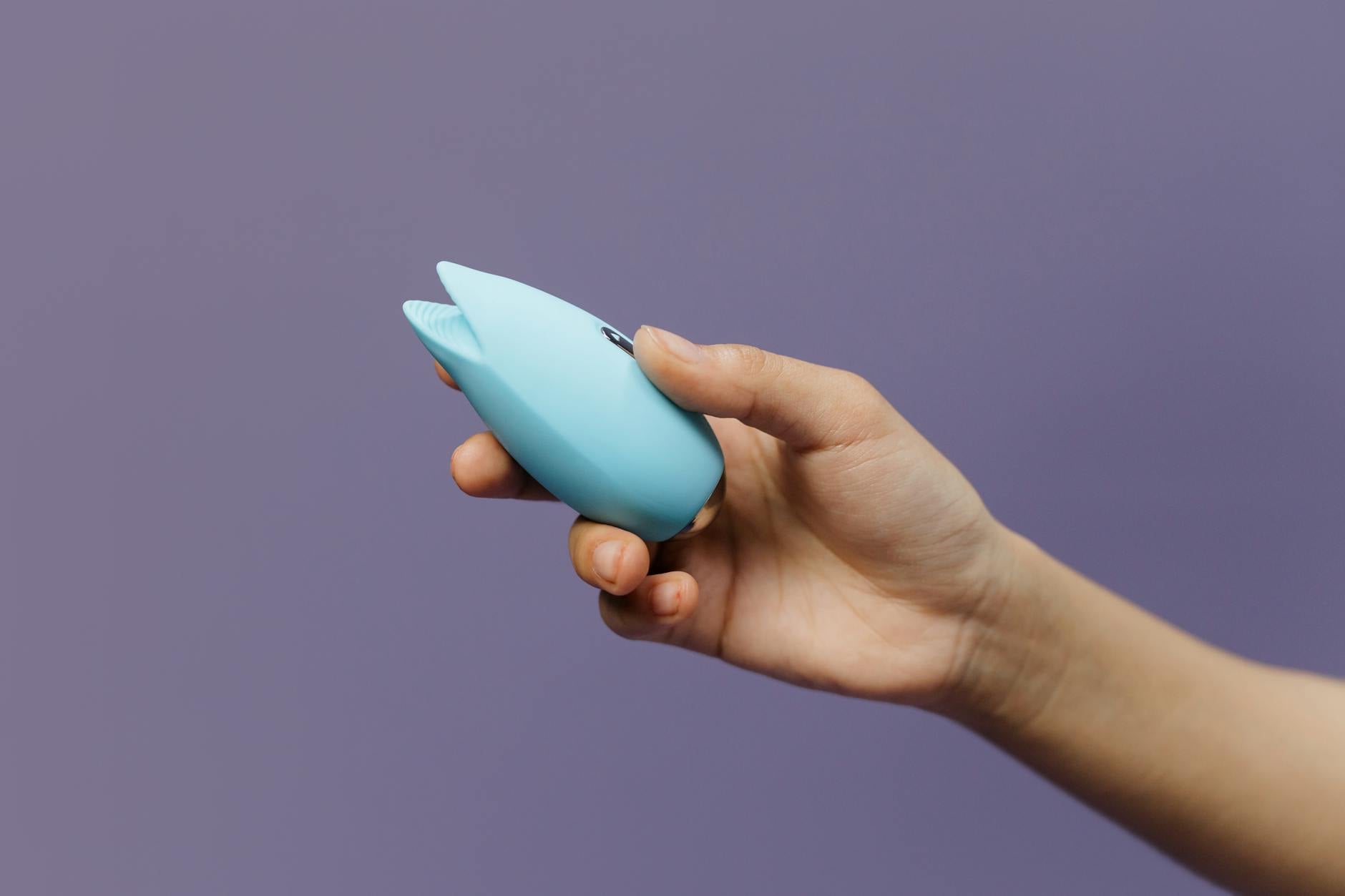
Let's name the thing nobody talks about at dinner parties
You can orgasm alone. Sometimes quickly. Sometimes intensely. But the moment a partner enters the picture, your body goes quiet. This isn't dysfunction. This is one of the most common friction points in partnered sex, and almost nobody addresses it directly.
The orgasm gap between solo and partnered sex is real, measurable, and fixable. And one of the fastest ways to close it is understanding why your body responds differently when someone else is involved, then introducing a tool that bridges the gap.
Why partnered sex feels different than solo
Three physiological reasons your orgasm response changes when a partner is present.
First, mental load. When you're alone, your brain runs one program: pleasure. When a partner is involved, your brain divides attention between your own sensation, their experience, whether you're taking too long, whether they're bored, whether you're making the right sounds. That cognitive split is brutal for arousal. Your nervous system can't fully relax into pleasure when part of your brain is doing emotional labor.
Second, physical pressure. A partner's fingers or mouth rarely create exactly the rhythm, pressure, and pattern your body needs. You know this about yourself. You know the angle, speed, and intensity that works. Partners guess. Even attentive partners. Your body senses the mismatch and delays orgasm or abandons it entirely.
Third, shame residue. Even if you intellectually believe your pleasure matters, years of cultural messaging (sex is for him, female orgasm is optional, taking too long is selfish) creates a subconscious time pressure. You feel like you should come faster. That pressure contracts your nervous system, which makes orgasm harder.
None of this means your body is broken.
How lemon vibrators reframe partnered sex
A lemon clitoral vibrator does three things that shift the dynamic instantly.
It removes the pressure to perform. When a partner knows you're using a vibrator because that's how your body reaches orgasm with them, the narrative changes from "I can't come" to "this is how I come." You're not broken or demanding. You're communicating. Your partner can stop trying to do something impossible and start doing something that works. That cognitive shift alone often loosens the tension enough for arousal to return.
It provides sensation your partner's body can't replicate. The rapid micro-vibrations in lemon sexual toys stimulate nerve clusters in ways fingers and mouths can't match. You're not comparing your partner unfavorably to the toy. You're using a tool designed to enhance what they're doing. The toy works on your clitoris while they focus on intimacy, kissing, or internal stimulation. You're layering sensations, not replacing them.
It gives you back control. When you're holding the vibrator (or guiding it), you control pressure, angle, and rhythm. You're not waiting for a partner to figure it out. You're partnering with them while partnering with yourself. This is the core difference that matters most.
The setup that actually works
Introducing a toy into partnered sex requires two conversations, not one.
First conversation happens clothed, not in bed. You say something like: "I've noticed it takes me longer to come when we're together, and I think I know why. It's not you. It's my brain doing too much at once. I want to try something that might help both of us relax more." This frames it as a solution to a shared problem, not a critique of your partner's skills.
Second conversation is logistical and happens right before sex. "I want to use my lemon vibrator tonight. I might climax faster with it. If that feels good for you, we can build it into what we do." You're checking in, not asking permission. There's a difference.
Then during sex:
Start without the toy. Build arousal the way you normally do. Once you're already turned on (this matters), introduce the vibrator. Use it on your clitoris while your partner does something else. penetration, oral, touching your chest, kissing your neck. Layering sensations signals to your nervous system that this is partnered pleasure, not solo pleasure, even though you're using your own tool.
If your partner wants to hold or control the vibrator, that's fine, but keep your hand on top of theirs so you can adjust pressure or angle immediately. You're teaching them what works in real time.
Expect the first time to feel a little awkward. You're adding a new variable. That's normal. By the third or fourth time, most couples find a rhythm that feels natural.
Timing is everything
When you introduce the vibrator matters hugely.
Don't pull it out when you're already frustrated and not climaxing. That signals it's a last-resort fix, which carries shame energy your partner will feel. Instead, introduce it proactively during a good sexual experience, when you're already connected. This frames it as enhancement, not salvage.
Also, don't use it every single time. If you do, your body may start associating partnered pleasure with the toy and struggle without it. Once or twice a week is ideal. The other times, you and your partner work with your body as it is. This keeps your baseline arousal responsive to partners while protecting yourself against toy dependency.
If you're someone who wants faster orgasms but worries about desensitization, this pacing also matters. You're using the lemon vibrator strategically, not constantly.
The emotional piece your partner needs to hear
Many people with partners worry that introducing a toy signals dissatisfaction. It doesn't. It signals the opposite.
You're saying: "I want to come with you. I want this to work. I'm willing to invest in making it happen. Your presence and your touch matter. This tool helps my body respond to you." That's intimacy language. Your partner can usually feel the difference once you explain it.
If your partner resists, there's usually something underneath that has nothing to do with you. Insecurity, performance anxiety, or a belief that good sex shouldn't require tools. That's where a real conversation happens. Not in bed. Not in the moment. A separate discussion about what sex means to them, what they fear, what would make them feel included rather than replaced.
If that resistance doesn't budge, therapy is worth considering. Not because you're broken, but because rebuilding intimacy takes both people. If your partner refuses a tool that would help you reach orgasm together, that's a relationship issue, not a sex issue.
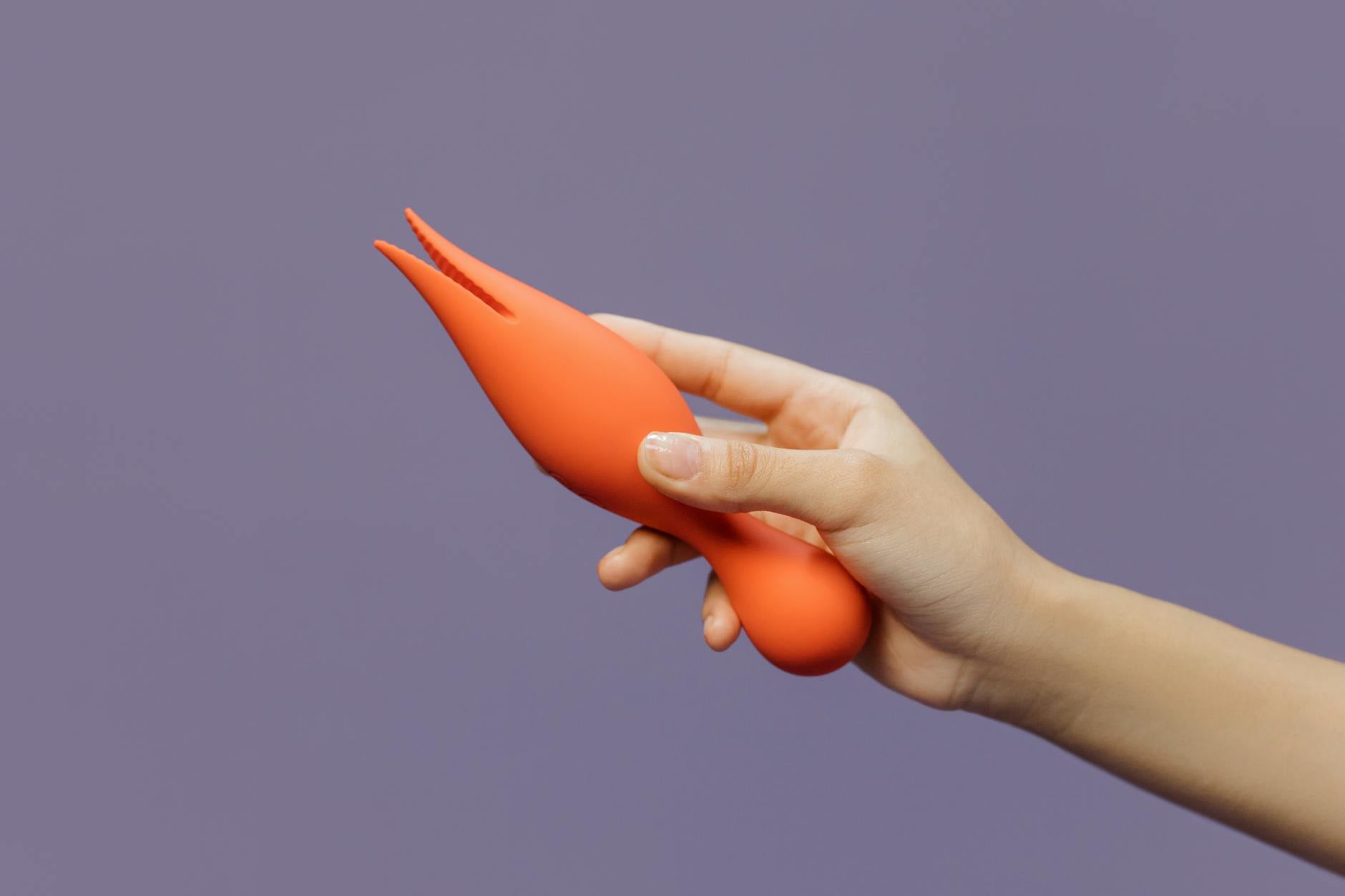
Photo by cottonbro studio on Pexels
Why lemon clitoral vibrators specifically
There are dozens of vibrator types. Lemon vibrators (sometimes called lemon sexual toys or lemon sucker toys) use air-suction stimulation rather than traditional vibration. This matters for partnered sex.
Traditional vibrators create a buzzing sensation that can become overstimulating after a few minutes, especially if you're already aroused. Lemon clitoral vibrators use gentle suction and pulsing patterns that feel more like oral stimulation. This creates a sensation that feels integrated into partnered sex rather than separate from it. Your partner can kiss your neck while the toy works on your clitoris, and the sensations layer rather than compete.
Also, lemon vibrators tend to produce orgasms that feel less isolated and more whole-body. Because they're stimulating through suction rather than pure vibration, your pelvic floor, legs, and core engage differently. The orgasm often feels deeper and more connected to your partner's presence, which matters psychologically.
What to expect the first time
You might not orgasm the first time you try this. That's fine. Your nervous system is learning that it's safe to relax with a partner and a toy present. It takes your brain a few tries to rewire that response.
What usually happens: first time, nothing. Second time, you feel closer to orgasm but don't quite get there. Third time, you come, but it feels different or quieter than solo orgasms. Fourth time, you come and it feels integrated.
That progression is normal. Your body isn't broken. It's learning.
If after five or six tries you still aren't reaching orgasm with the vibrator and your partner present, check in with what's happening in your head. Are you still feeling rushed? Self-conscious? Worried your partner is bored? Those are all solvable problems, usually through conversation or occasionally with a therapist's help.
People also ask
Will using a lemon vibrator with my partner make me dependent on toys for orgasm?
No. Dependency happens when you use a toy in isolation, repeatedly, at the same intensity. If you're using a lemon clitoral vibrator as part of partnered sex once or twice a week, your solo orgasm response stays intact. Your body learns that tools are available in partnered contexts without assuming they're required. The key is variety. Some sessions with toys, some without. Some with partners, some solo. Your nervous system stays flexible.
What if my partner wants to use the toy on me but doesn't do it right?
Tell them. During sex, while it's happening. "A little slower." "More pressure." "Right there." This isn't criticism. This is feedback. Your partner wants to get it right. They're not a mind reader. If they seem defensive about guidance, that's worth addressing separately. Good partners welcome direction because it means better sex for everyone.
Can I use a lemon vibrator if we're trying to conceive?
Yes, absolutely. Vibrators don't interfere with conception. In fact, orgasm during sex can help with conception because it increases blood flow and sometimes creates contractions that may help sperm travel. If anything, making partnered sex more pleasurable improves your chances because you're more likely to want sex during your fertile window.
Should I tell my partner I already use toys solo before we add one to partnered sex?
Not necessarily. Some people volunteer that information, some don't. It depends on your relationship dynamic and what feels true. The important conversation is about what you need during partnered sex, not a full audit of your solo practices. If your partner asks directly, answer honestly. If they don't ask, you don't owe an explanation.
What if my partner thinks the vibrator means they're not satisfying me?
That's insecurity talking, and it needs a calm, direct response. You might say: "You satisfy me in ways a toy never could. A toy doesn't kiss me. A toy doesn't hold me. A tool helps my body relax enough to actually feel what you're doing. It's not either/or. It's both." If that explanation doesn't land, ask your partner what would reassure them. Sometimes it's hearing you say "I find you sexy," or sometimes it's seeing how connected you are during the experience. Listen to what's underneath the resistance.
Can lemon vibrators help if I'm on antidepressants that affect orgasm?
Often, yes. Many SSRIs delay orgasm or make it harder to reach. A lemon clitoral vibrator can bridge that gap by providing more intense, direct stimulation than partners alone can offer. Combined with your doctor's guidance (some people adjust timing or dosage with medical approval), a vibrator can make partnered sex feel more connected again. If medication is the issue, address it with your prescriber first. Toys help, but they're not a substitute for medical conversation.
The real shift
Introducing a lemon vibrator into your partnered sex life isn't about fixing you. It's about removing the fiction that you should come the same way alone and with a partner. Your body is responding exactly as it's designed to. Adding a tool that works with your physiology, rather than fighting it, closes the orgasm gap faster than anything else.
The couples who make this work understand one thing: pleasure is a shared project. That might mean a tool. That might mean communication. That might mean both. Your nervous system knows the difference between someone trying to force an orgasm out of you and someone supporting your body's actual needs.
Start with the conversation. Then try the tool. Then notice what shifts. Most couples find that within a few weeks, partnered sex feels more connected, not less. Because you're both finally on the same team, working toward something that feels good for both of you.
If you're feeling stuck around this, or if partner resistance is hard to navigate, reach out. We can talk through what's really happening beneath the surface.